




Learn how minimally invasive foot surgery is changing recovery, reducing downtime, and restoring mobility with modern precision.
Foot pain has a way of quietly reshaping daily life. For many individuals, discomfort caused by bunions, hammertoes, or structural imbalances gradually influences simple decisions, from choosing footwear to planning social activities. When conservative treatments such as orthotics, physical therapy, or footwear modifications no longer provide relief, surgical correction may become part of the conversation.
In recent years, minimally invasive foot surgery has emerged as an alternative approach to certain traditional open procedures. While not appropriate for every condition or patient, this technique reflects a broader shift in medicine toward reducing tissue disruption while addressing structural concerns.
A Shift in Surgical Technique
Traditional foot surgery often involves larger incisions to provide direct visualization of bones and joints. These methods have long been used to correct deformities and alleviate pain. Minimally invasive techniques, by contrast, rely on smaller incisions and specialized instruments to access and correct targeted areas.
Using imaging guidance and refined surgical tools, podiatrists can perform specific corrections through small entry points. The intention of this approach is to address structural issues while limiting disruption to surrounding soft tissue.
As with any medical procedure, the decision between traditional and minimally invasive techniques depends on several factors, including the type and severity of the condition, overall health status, and the surgeon’s clinical assessment.
Conditions Commonly Addressed
Minimally invasive foot surgery may be considered for certain structural conditions, including:
- Bunions
- Hammertoes
- Bone spurs
- Selected toe deformities
- Some alignment-related concerns
For example, bunions involve a misalignment of the joint at the base of the big toe. In select cases, minimally invasive techniques allow surgeons to realign bone structures using small incisions, rather than fully exposing the joint. The goal remains consistent with traditional methods: restore alignment and reduce discomfort.
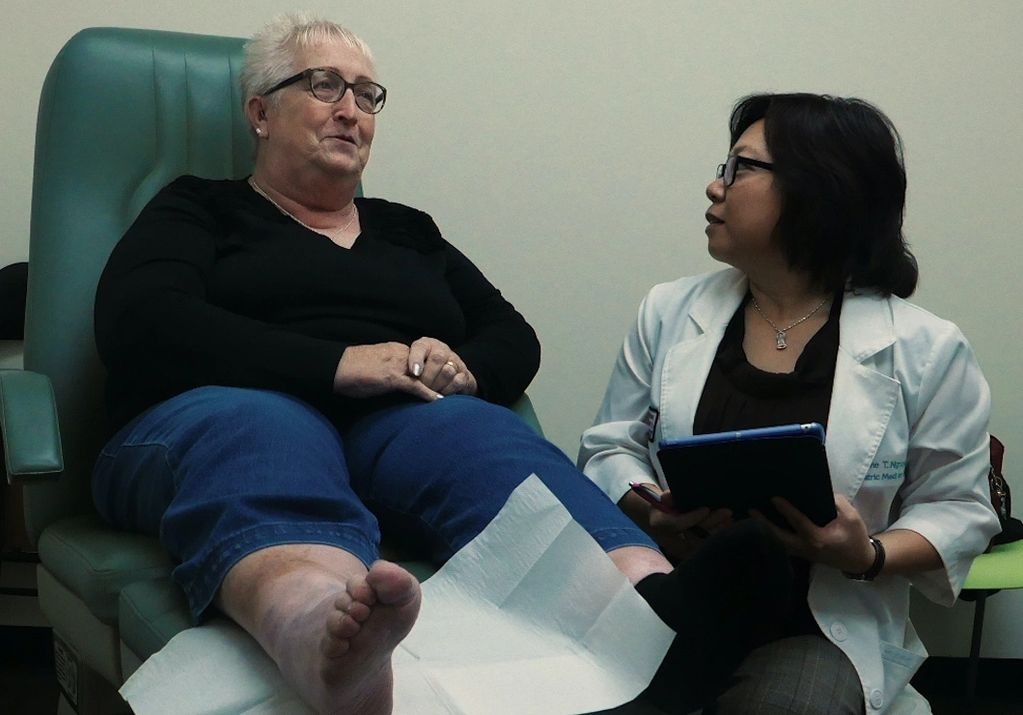
It is important to note that not all cases qualify for minimally invasive correction. A thorough evaluation is required to determine the most appropriate treatment plan.
Recovery Considerations
Recovery experiences vary based on the procedure performed, the patient’s overall health, and adherence to post-operative guidance. Because minimally invasive techniques involve smaller incisions, they may result in different early recovery characteristics compared to traditional open surgery. However, recovery timelines are individualized and cannot be universally defined.
Patients may be advised on weight-bearing limitations, protective footwear, swelling management, and follow-up appointments. Even when incisions are small, proper healing still requires time and care. Following medical recommendations closely plays a critical role in achieving optimal outcomes.
As with all surgeries, potential risks exist. These may include infection, nerve irritation, delayed healing, or recurrence of deformity. Discussing benefits and risks thoroughly with a qualified healthcare provider is essential before proceeding.
Pain Management and Anesthesia
Depending on the procedure and patient profile, minimally invasive foot surgery may be performed using local anesthesia, regional anesthesia, or other appropriate methods determined by the treating physician. Pain management plans are individualized and may include a combination of medication, elevation, rest, and gradual return to activity.
Open communication between patient and provider helps set realistic expectations regarding discomfort levels and recovery milestones.
The Importance of Clinical Expertise
Minimally invasive techniques require specialized training and familiarity with foot anatomy. Surgeons must rely on imaging and tactile feedback rather than direct visualization through a large incision. For this reason, experience and clinical judgment are central to the success of the procedure.
Equally important is patient selection. Surgery is typically considered after conservative measures have been explored or when structural deformity significantly interferes with daily life. A comprehensive consultation allows for evaluation of medical history, lifestyle factors, and treatment goals.
Long-Term Foot Health
Correcting structural alignment can influence how weight is distributed across the foot. When joints are properly aligned, pressure patterns may change, potentially affecting comfort and mobility. However, long-term outcomes depend on multiple factors, including biomechanics, rehabilitation adherence, and overall health.

Foot health is closely connected to overall movement and balance. Addressing persistent deformities may contribute to improved daily function for some individuals. Ongoing monitoring and appropriate footwear choices remain important after recovery.
Informed Decision-Making
For individuals experiencing chronic foot discomfort, understanding available treatment options is an important step. Minimally invasive foot surgery represents one of several approaches used in modern podiatric care. It is not a universal solution, nor is it appropriate in every case.
An informed discussion with a qualified podiatrist can clarify whether conservative care remains advisable or whether surgical correction should be considered. Evaluating benefits, risks, recovery expectations, and long-term goals allows patients to make decisions aligned with their individual circumstances.
Advances in surgical technique continue to expand treatment possibilities in foot and ankle care. By combining careful assessment, appropriate patient selection, and experienced clinical execution, minimally invasive approaches offer an additional option within the broader spectrum of foot health management.
For those navigating ongoing discomfort, understanding the full range of evidence-based treatment options is the first step toward restoring confidence in every stride.
To explore whether minimally invasive foot surgery aligns with your goals for comfort and mobility, visit Feet ‘N Beyond’s Website. Stay informed about advancements in foot health through their YouTube Channel, connect on Facebook, or follow updates on Instagramto learn how modern podiatric care can support your next confident step forward.
