On February 19, 2026, Unified Women’s Healthcare, a leading U.S. women’s health organization, announced a major initiative to address the growing need for comprehensive care related to perimenopause and menopause. This development marks a significant shift in how the healthcare system supports women during midlife and beyond, responding to a long‑standing gap in clinical focus,
Bio-Xin Cosmeceuticals introduces the first AI-powered skin analyzer in Bangladesh, bringing personalized skincare to millions across the country. A New Era in Skincare: Bio-Xin Launches DermaScan AI Skin Analyzer In an exciting leap forward for skincare in Bangladesh, Bio-Xin Cosmeceuticals has unveiled the DermaScan AI Skin Analyzer, a groundbreaking, first-of-its-kind technology set to transform how
Epiphany Wilson, a neuroscience independent major at Spelman College in Atlanta,GA, who is committed to driving healthcare innovation, focusing on cardiovascular surgery and advocacy for underrepresented communities. The Journey to Transformation: Epiphany Wilson’s Vision in Healthcare Innovation Epiphany Wilson’s path to becoming a leader in healthcare innovation wasn’t shaped in the confines of textbooks or
MIDLAND, Michigan, Today marks the official commencement of the 2026 Dow Tennis Classic, one of the most prestigious women’s professional tennis tournaments in the United States and a significant event on the Women’s Tennis Association (WTA) 125 series calendar. From February 15–22, 2026, the Greater Midland Tennis Center is hosting top women athletes from around the
Discover how GENOIA® is transforming women’s health by focusing on hormonal balance, metabolic resilience, and long-term vitality. Hormonal health is a critical pillar of overall well-being, and yet too often, the conversation around it focuses on quick fixes and temporary solutions. This premium epigenetic supplement brand is changing that by addressing the root causes of
February is not just about Valentine’s Day and celebrating love, it’s also American Heart Month, a time dedicated to raising awareness about heart disease, the leading cause of death among women in the United States. While heart disease is often thought of as a condition that primarily affects men, women are just as at risk.
Healthcare systems rely on data to decide what gets studied, funded, and treated. That data shapes screening rules, treatment pathways, and how symptoms get interpreted during care. When bias enters the data, its effects spread quietly. Gender bias in healthcare data does not stay limited to research. It reaches everyday care and influences long-term public
For a long time, self-care has shaped how you think about wellness. It often points to routines meant to restore balance or provide relief. These habits usually focus on personal time, comfort, or emotional ease. Some of them feel supportive, and a few offer short-term benefits. Over time, though, a gap has become harder to
Preventive healthcare depends on noticing risk early enough to act. For many women, that timing has not always worked in their favor. Heart disease, breast cancer, and autoimmune conditions often show up later than expected, sometimes because symptoms look different, sometimes because research data leaned heavily toward male patterns for decades. You still see the
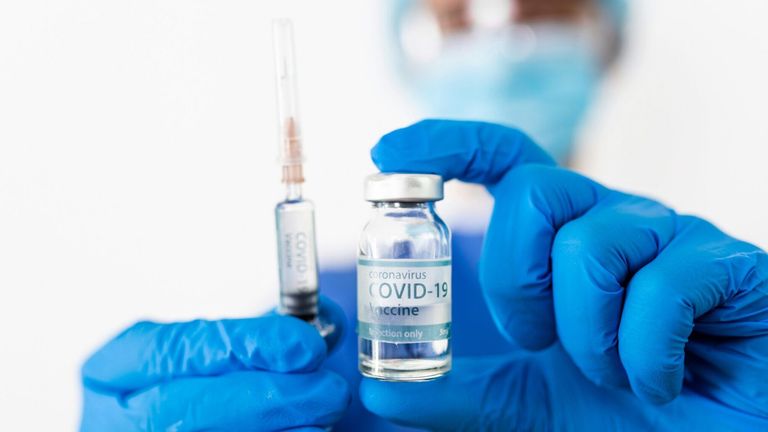
xCOVID-19 hasn’t disappeared. What’s changed is how we deal with it. Since the first vaccines rolled out in 2020, scientists have had to keep adjusting as the virus evolved. New variants show up, immunity fades, and vaccine formulas get tweaked to keep pace. That’s why updated COVID-19 vaccines for the 2024–2025 season are now in