



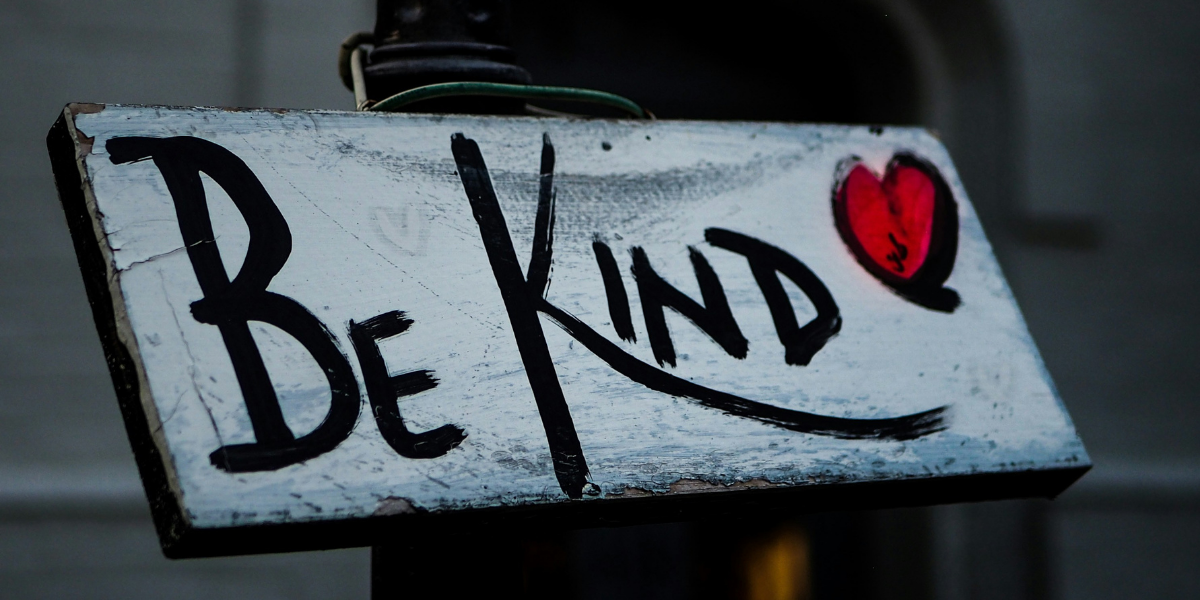
On February 17, 2026, people across the United States and beyond marked National Random Acts of Kindness Day, an annual observance that encourages individuals, families, communities, and organizations to deliberately practice simple acts of kindness and compassion. While it’s not a government‑mandated holiday, the day has gained popularity as a cultural moment to celebrate empathy, generosity, and human connection, values that resonate deeply for readers interested in lifestyle, wellbeing, relationships, and community support.
Origins and Growth of Kindness Culture
National Random Acts of Kindness Day traces its roots to a movement that began in the early 1980s with a phrase coined by writer Anne Herbert, “random kindness and senseless acts of beauty.” Over time, that sentiment inspired individuals and groups around the world to intentionally spread kindness in everyday life. Although the official “day” is observed on February 17 in the United States, the underlying ethos encourages kindness year‑round.
In the U.S., various organizations and community groups use this day as an opportunity to promote activities that foster meaningful connections and support emotional wellbeing. From schools encouraging students to help classmates, to workplaces hosting kindness challenges, the observance highlights that even small gestures, a sincere compliment, a thoughtful note, or helping a neighbor, can strengthen social bonds and uplift moods.
The Science and Psychology of Kindness
Research suggests that kindness isn’t just a feel‑good concept, it has measurable effects on health and wellbeing. Studies indicate that engaging in kind behavior can reduce stress hormones like cortisol, boost levels of hormones linked to happiness such as oxytocin and serotonin, and improve mood for both the giver and the recipient. These biological responses offer a powerful reminder that compassion isn’t just socially positive, it’s physically beneficial.
For women navigating busy lives, balancing careers, caregiving responsibilities, personal growth, and community involvement, the day serves as a timely invitation to pause and reflect on the power of kindness in everyday interactions. Practicing small acts of goodwill can not only enhance social connections but also support emotional resilience and stress relief, contributing to overall wellbeing.
Ways to Celebrate, Simple, Meaningful, and Inclusive
National Random Acts of Kindness Day isn’t about grand gestures; it’s about meaningful, accessible actions that anyone can incorporate into their day. Here are practical ideas that Women’s Insider readers can embrace, alone, with family, or with friends:
- Give a genuine compliment, to a colleague, friend, or stranger.
- Send a handwritten note, gratitude letters or thank‑you cards can have a lasting emotional impact.
- Offer help without being asked, whether assisting a neighbor with groceries or supporting a friend with childcare.
- Donate time or resources, volunteering or contributing to community causes supports those in need.
- Actively listen, offering undivided attention to someone in conversation can be a profound act of kindness.
These gestures help foster an environment where people feel seen, valued, and connected, crucial elements for mental wellbeing and social collaboration.
Why Kindness Matters in Today’s World
In an era where daily life can be hectic, marked by fast‑paced schedules, digital distractions, and emotional strain, intentional kindness offers a simple yet powerful antidote. It strengthens community ties, reinforces empathy, and reminds us that individual actions contribute to broader social harmony.
Importantly, kindness intersects with relational health, a theme central to many women’s experiences. Research shows that social support and positive interpersonal interactions are closely linked to emotional wellbeing, reduced anxiety, and greater life satisfaction. By encouraging intentional acts of compassion on February 17 and beyond, National Random Acts of Kindness Day uplifts not just individuals, but also the communities they occupy.
Key Takeaways for Women’s Insider Readers
- Kindness matters every day: Small, compassionate actions can create a ripple effect of wellbeing and connection in your personal circles and communities.
- Practice boosts wellbeing: Science shows that kindness has positive physical and mental health effects for both the giver and receiver.
- Accessible to everyone: Acts of kindness don’t require resources, just intention and care.
National Random Acts of Kindness Day 2026 provides a moment for thoughtful reflection and intentional action, inviting everyone to participate in mak
