



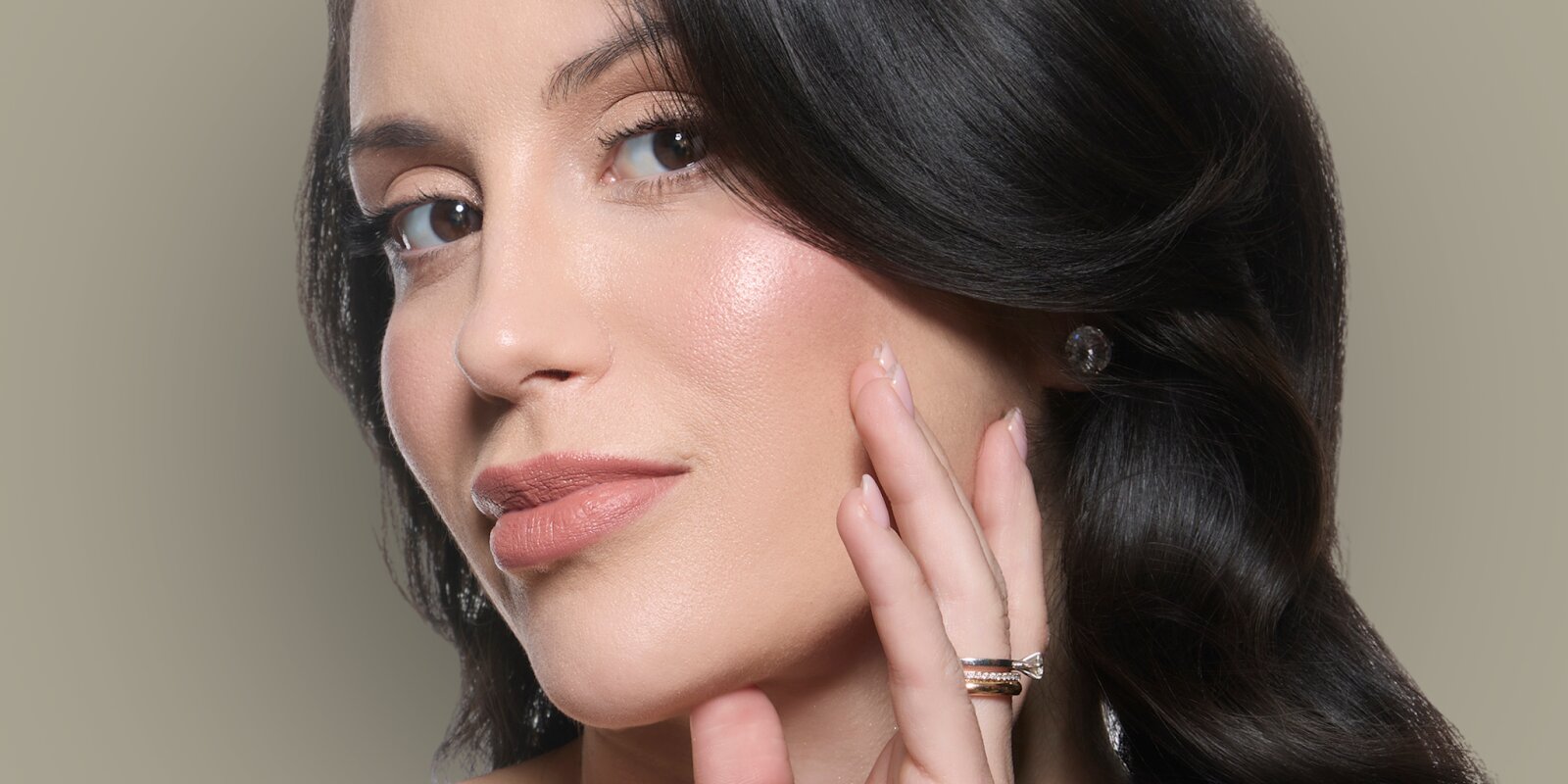
Brazilian dermatologist Dr. Tainah Almeida is part of a growing shift toward aging management, prevention, and natural, subtle aesthetic results.
Brazil has long been recognized as a global hub for aesthetic medicine, celebrated for its innovation, clinical expertise, and high patient volume. From São Paulo to Brasília, clinics across the country have shaped international conversations around aesthetic trends. Within this active and influential landscape, however, a quieter evolution is underway, one that prioritizes long-term skin health over dramatic, immediate change.
Across leading aesthetic markets, patients and practitioners are increasingly moving away from visible transformations and toward approaches that respect skin biology, individuality, and the natural aging process. Dermatologists in Brazil have been closely observing (and contributing to) this shift.
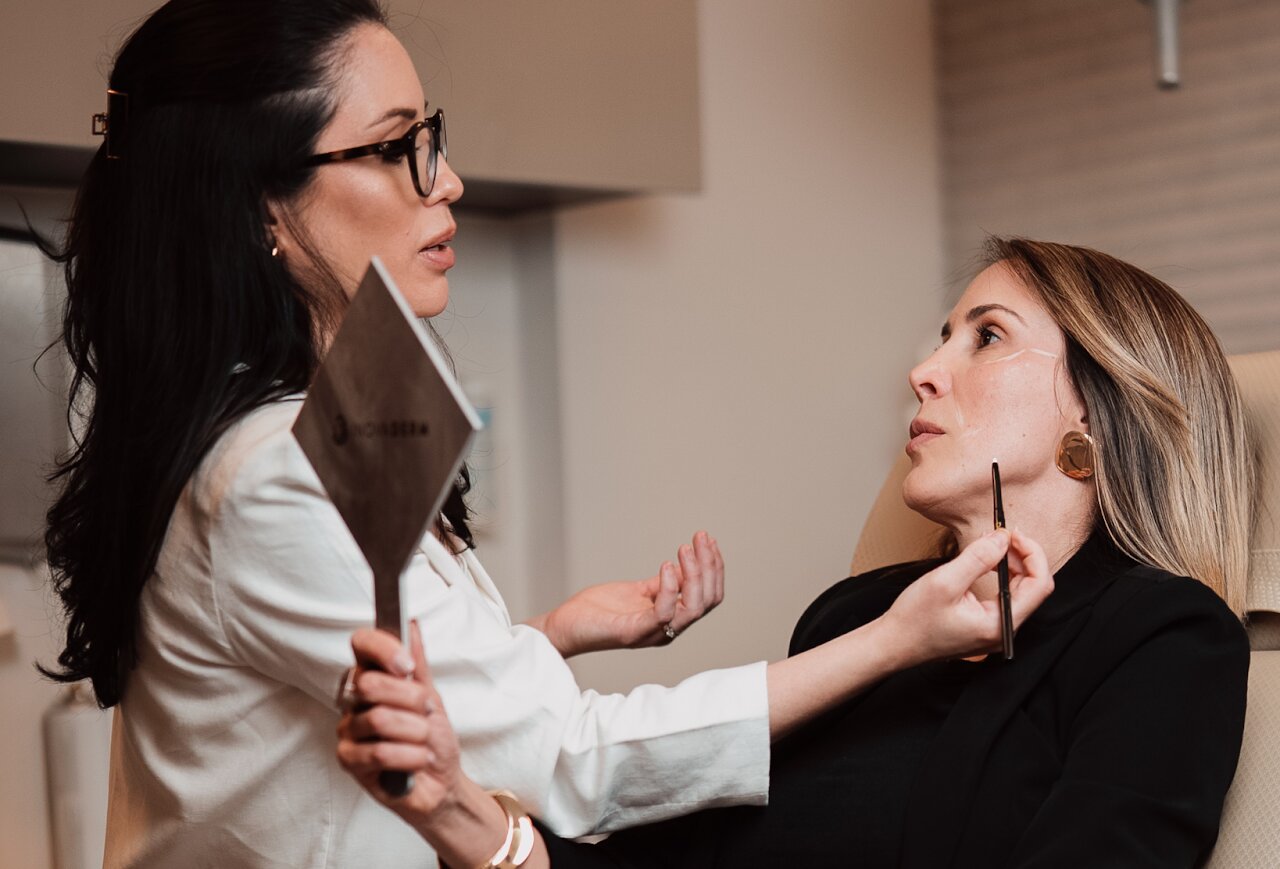
Dr. Tainah Almeida, a board-certified dermatologist and founder of Clínica Inovaderm in Brasília, has witnessed this evolution firsthand over more than a decade. Her perspective reflects a broader rethinking within aesthetic medicine: enhancement should not mean alteration. “Our focus is understanding the aging process from the start, respecting individual factors, the patient’s needs, and skin biology,” she explains.
A New Approach to Aesthetic Care
Traditional aesthetic treatments often emphasized immediate visual impact, such as high-volume injectables and stark contouring. Today, a more measured philosophy is gaining ground. Rather than standardized protocols or excessive correction, practitioners are emphasizing precision, restraint, and individualized planning.
“In the new era of aesthetic medicine, treating without criteria no longer makes sense,” Dr. Almeida notes. “Our goal is subtle enhancement rather than transformation, ensuring results remain natural and sustainable.”
Within this emerging model, aesthetic care is viewed less as a quick intervention and more as a structured, ongoing process. Treatments are sequenced carefully, tailored to facial structure, skin condition, and long-term objectives, allowing patients to experience gradual, harmonious change.
From Volume to Regeneration
One of the most notable developments within this evolving landscape is the shift from volume-centered treatments toward regenerative strategies.
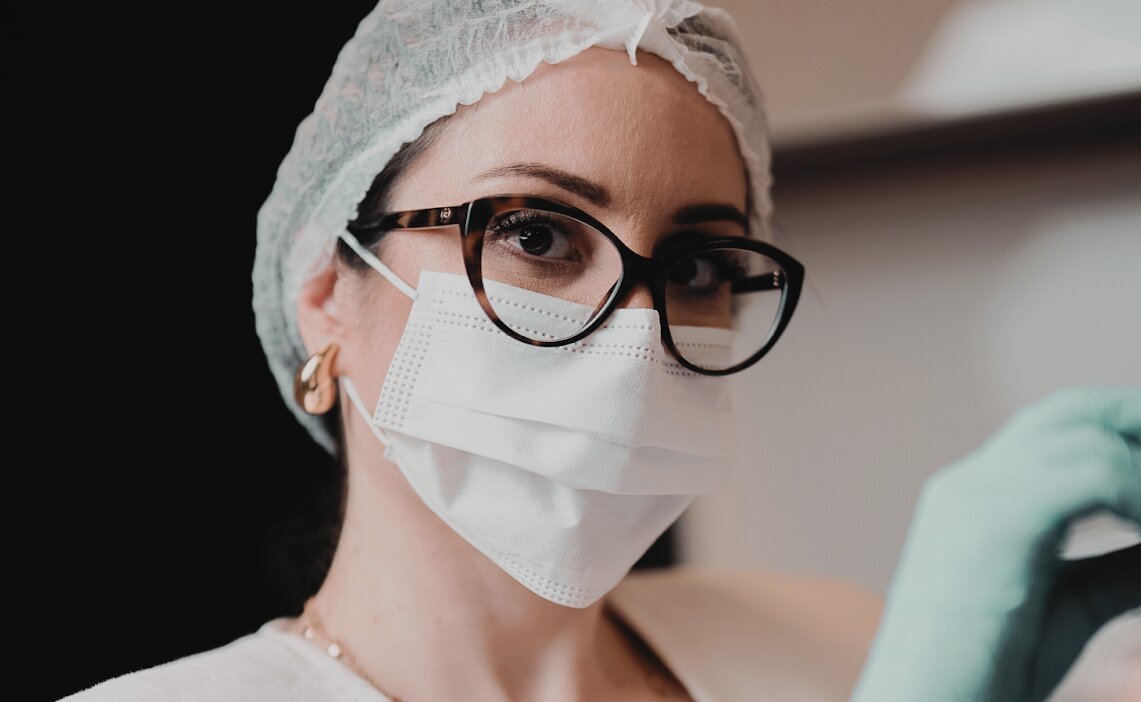
Rather than immediately replacing lost volume, physicians are increasingly prioritizing skin quality, collagen stimulation, and tissue regeneration before considering structural correction. Energy-based technologies, minimally invasive procedures, and biostimulatory injectables are used to improve texture, firmness, and overall vitality.
“The objective is to restore the skin’s natural capabilities first,” Dr. Almeida explains. “Once regeneration is underway, we reassess the need for additional treatments. This ensures a sustainable, elegant outcome.”
Advanced skincare protocols and carefully sequenced interventions complement these technologies, supporting progressive improvement while avoiding abrupt or exaggerated changes. In this framework, aesthetic medicine becomes less about instant visual impact and more about reinforcing the skin’s resilience over time.
Aging Management as a Continuous Process
Within this broader shift, aging is no longer treated as a problem to be corrected at a single moment. Instead, it is understood as a dynamic process requiring ongoing attention and prevention.
Aging management integrates skin health, lifestyle considerations, and long-term planning. Treatments are approached strategically, avoiding unnecessary interventions while focusing on regeneration, structural balance, and sustained quality.
“Aging management is about consistency and planning,” Dr. Almeida says. “When we treat skin progressively, results are subtle, harmonious, and long-lasting. Patients look rested, healthier, and more vibrant, yet entirely themselves.”
This philosophy reflects changing patient expectations worldwide. Increasingly, individuals seek aesthetic care that aligns with authenticity, longevity, and well-being rather than dramatic alteration.
Quiet Beauty and the Brazilian Influence
What has often been described as “Quiet Beauty” (subtlety, proportion, and authenticity) can be understood as a reflection of this broader shift in aesthetic medicine. As patients move away from exaggerated features and visible intervention, the emphasis returns to balance and biological coherence.
In Brazil’s active aesthetic landscape, this perspective has developed as both a response to past excesses and an evolution toward more deliberate care. Rather than exporting trends alone, Brazilian practitioners are increasingly part of a wider global conversation about sustainability, prevention, and responsible aesthetic practice, sharing their experiences at major international forums such as the 2023 World Congress of Dermatology in Singapore and Korea Derma 2025, meetings attended by Dr. Almeida.
A Philosophy for the Future
Across Brazil and beyond, aesthetic medicine is gradually redefining its priorities. The movement from instant transformation toward aging management reflects a deeper respect for biology, identity, and long-term skin health.
This shift suggests that the future of aesthetic care may lie not in dramatic change, but in subtle refinement, strategies that maintain personal identity while supporting vitality and confidence over time.
In that future, looking like yourself, only healthier, more vibrant, and more confident, may be the most powerful outcome of all.
About Dr. Tainah Almeida
Dr. Tainah Almeida is a board-certified Brazilian dermatologist and founder of Clínica Inovaderm in Brasília. Her approach centers on aging management, prevention, and natural aesthetic outcomes rooted in medical judgment and long-term planning.
More information:
