



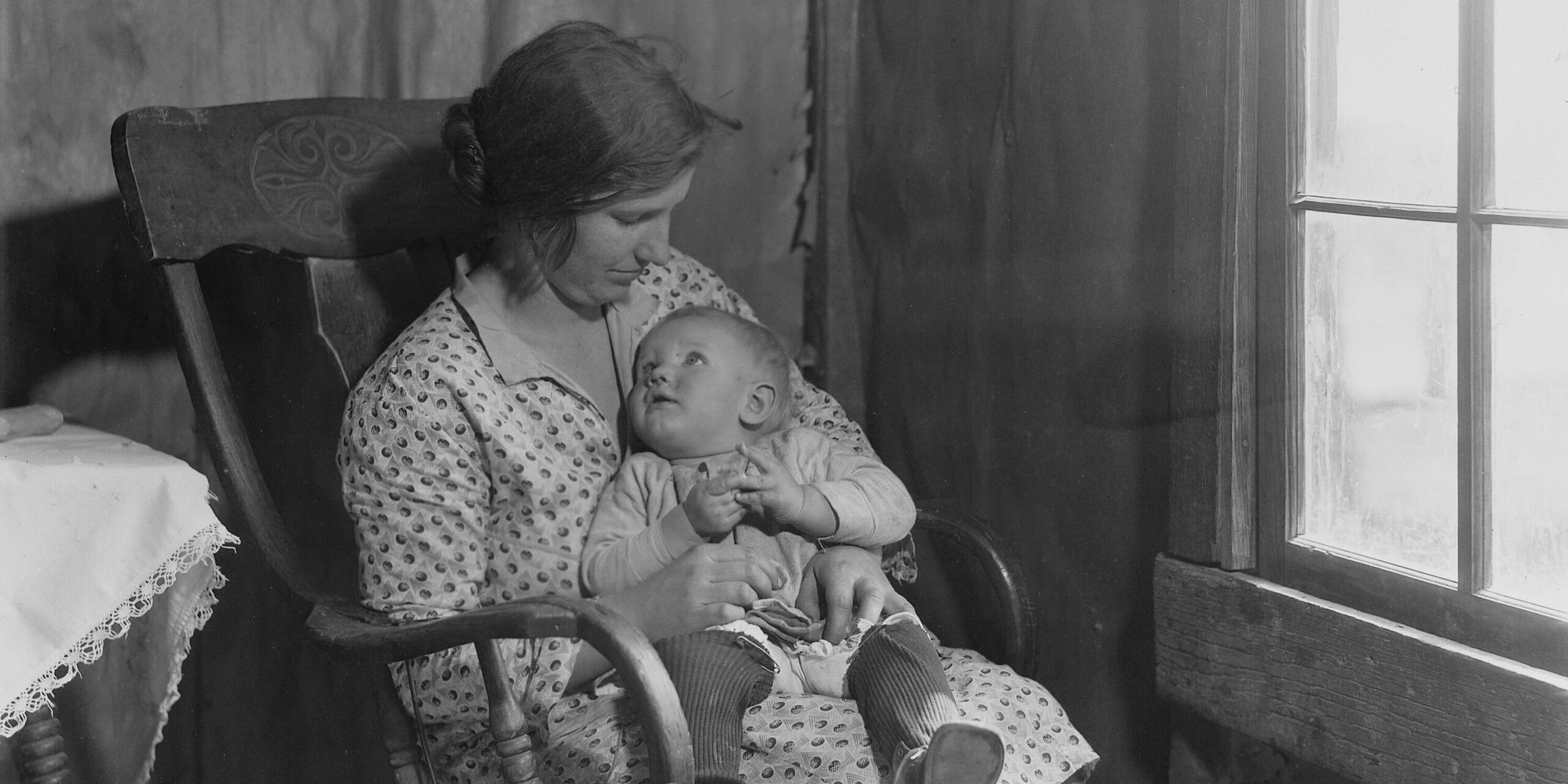
A new analysis released on November 5, 2025, reveals that long-term environmental policies aimed at reducing pollution, such as the U.S. Nitrogen Oxide (NOₓ) Budget Trading Program, are linked to significant improvements in infant health outcomes. The study, which examined over a decade of birth-record data, found that children born in regions covered by the NOₓ cap-and-trade program had lower incidences of low birth weight and preterm birth compared to children born in regions that were not part of the program. Importantly, the improvements were most notable in communities that have historically been underserved, particularly among Black, low-income, and single-mother households.
The NOₓ Budget Trading Program, which was designed to reduce emissions of nitrogen oxides—pollutants that contribute to the formation of ground-level ozone—has been in effect for over a decade. Under this cap-and-trade initiative, companies are given a limit, or “cap,” on the amount of nitrogen oxide they can emit, and they can trade their allowances with other companies. This system is intended to create economic incentives for reducing pollution, while allowing industries flexibility in how they achieve emissions reductions.
The study’s findings provide compelling evidence that pollution control policies can have a direct and positive effect on public health, especially in areas that are most vulnerable to the impacts of environmental degradation. Researchers found that the regions covered by the NOₓ trading program had a statistically significant reduction in the rates of low birth weight and preterm births, which are associated with long-term health problems, including developmental delays, respiratory issues, and increased risk of chronic diseases later in life.
What makes these findings especially notable is the disproportionate benefits observed in historically marginalized communities. Black and low-income families, as well as single mothers, tend to live in areas with higher levels of air pollution, which has been shown to contribute to poorer health outcomes for both mothers and their children. By focusing on these communities, the study suggests that pollution-reduction policies not only improve environmental quality but also help address significant health disparities that disproportionately affect these populations.
This research emphasizes the role that environmental policies can play in public health, particularly in addressing social inequities. Experts have long known that environmental pollution disproportionately harms vulnerable populations, but this new data underscores the potential of long-term regulatory initiatives to mitigate these effects. The findings advocate for the integration of environmental regulation into public health policy, arguing that such efforts could lead to better health outcomes for all, particularly in regions that face the greatest health challenges.
Public health experts are calling for further exploration of how environmental policies can be systematically incorporated into regional planning and maternal health strategies. There is increasing recognition that environmental factors play a pivotal role in determining health outcomes, and the success of the NOₓ Trading Program could serve as a model for other regions and nations seeking to improve public health while also addressing the global challenge of climate change.
The study’s results also raise important questions about the future of public health policy in the United States. As climate change continues to have far-reaching effects on communities, policymakers are increasingly looking to environmental regulations as part of the solution to health inequalities. The success of the NOₓ Trading Program shows that well-crafted environmental policies not only contribute to cleaner air but also have significant, measurable benefits for the most vulnerable groups in society.
In conclusion, this new research suggests that long-term pollution-control policies can significantly improve infant health outcomes, particularly in communities that are historically underserved and vulnerable to environmental hazards. These findings reinforce the importance of integrating environmental regulations into public health frameworks and offer a hopeful example of how such policies can yield positive, long-lasting health benefits for future generations.
