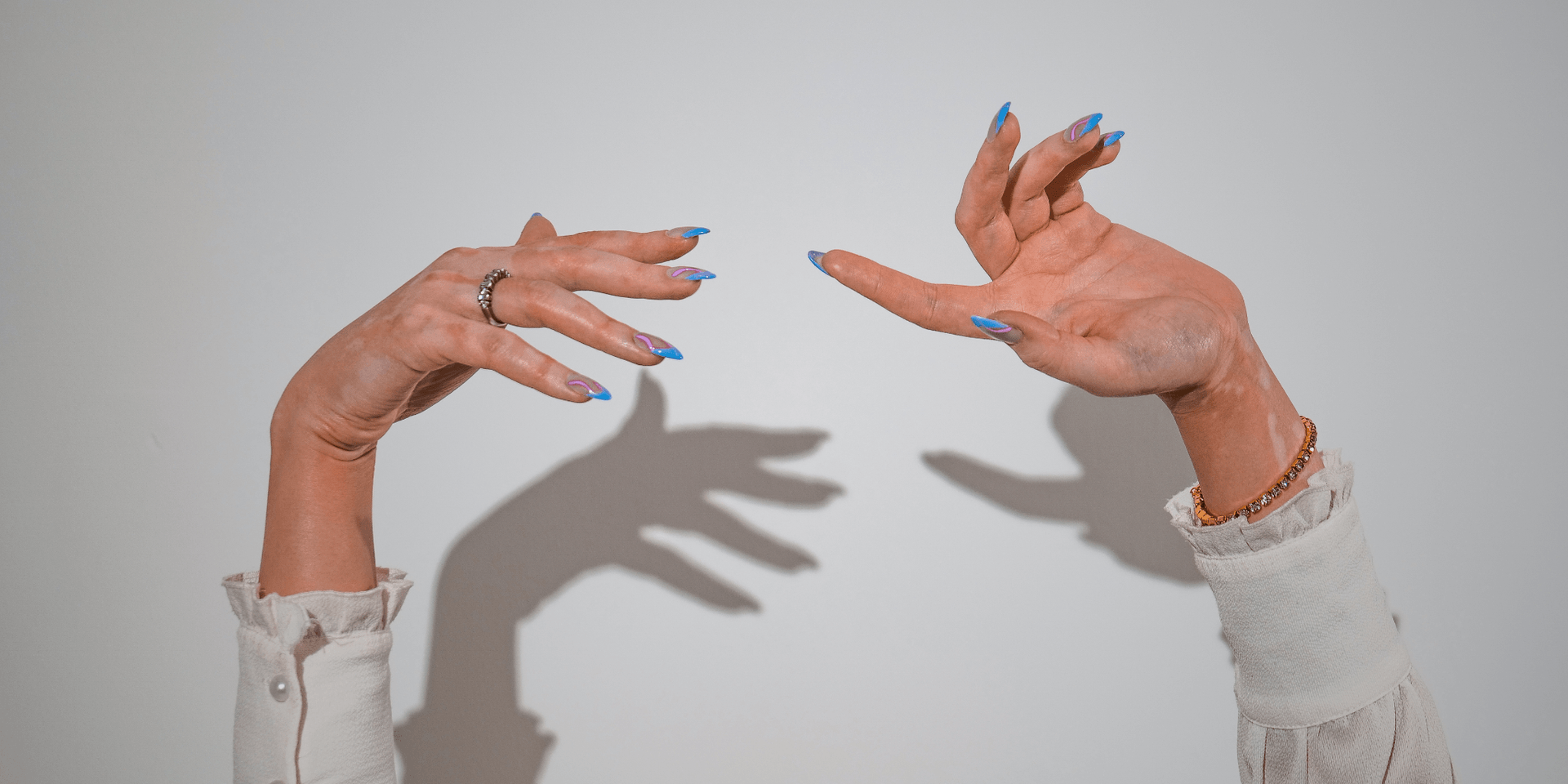
The Russian manicure* has taken over American feeds for a reason. Here are five ways to achieve a clean, polished manicure while avoiding common mistakes that can cost you later.
The Russian manicure has taken over American feeds for a reason: a spotless cuticle area, gel polish that sits so close to the skin it looks like the nail grew that way, and a finish that stays clean for three weeks or more. Getting there takes more than a pretty color. It takes careful cuticle work, precise coverage, and a technician who knows exactly where healthy skin begins. Here is what separates a manicure you love from one you regret.
1. Prep Your Cuticles Before You Book
The cleanest result starts at home. Massage cuticle oil into the nail folds every evening for a week before your appointment, and leave hangnails alone. Pulling them tears the skin exactly where the technician will be working.
Hydrated cuticles lift and separate from the nail plate easily, so the technician removes less and gets a sharper line. Dry, cracked skin tears instead, and no amount of skill fully fixes that in one visit.
2. Choose a Technician Who Really Knows the E File
Russian manicure is a dry manicure done largely with an electric file, and the e file is only as safe as the hands holding it. A trained technician matches the bit to the job, keeps the speed and pressure low near the skin, and never holds the bit in one spot.
Warning signs are easy to spot: heat or burning on the nail, visible grooves or "rings" in the nail plate after removal, or nails that feel thin and bendy weeks later. Ask where the technician trained in e file work. A good one will be glad you asked.
3. Ask Whether the Salon Practices the DCMT Method
If you want the bare, clean cut look, technique matters. Look for the Dermacare Cuticle Safe Manicure Technique, developed by nail artist Vira Bushta.
It addresses a common source of accidental nicks: the soft fold of skin at the base of the nail rising toward the blade. The technician steadies it with the thumb first, so the blade works through dead skin.
The same controlled line also gives gel a clean edge to follow, which is what makes close to the cuticle coverage possible without touching the skin. When a salon works by DCMT, you can count on a manicure that is not only beautiful but safe. You can already find salons in Los Angeles, Miami, and elsewhere.
4. Pay Attention to How the Gel Goes On
The "grown from the nail" look depends on coverage. The nail plate should be dehydrated and primed, then the base, color, and top coat applied in thin layers, each cured for the time the lamp and gel brand require.
Polish should reach tight to the cuticle line but never flood onto the skin. Flooding is not just a cosmetic flaw: it causes early lifting, and dermatologists warn that uncured gel on skin is a leading route to acrylate allergy, which can make gel products unwearable for life.
A capped free edge, the thin line of gel sealed over the tip, keeps chips away far longer.
5. Protect the Result Until the Next Appointment
Keep oiling the cuticles morning and night, and wear gloves for dishes and cleaning. Never peel or pick off gel: it strips layers of the natural nail with it.
Removal should be done professionally, by careful e-filing or soaking, and a Russian manicure is usually refreshed every three to four weeks as the nail grows out. If redness, swelling, or warmth around a nail gets worse instead of better, see a doctor rather than covering it with polish.
A great manicure should be something you enjoy for weeks, not something you recover from. The right technician, the right technique, and a few smart questions make all the difference.
*Russian manicure is a dry (waterless) technique in which the cuticle and dead skin around the nail are carefully lifted and removed with an electric file and fine bits, sometimes finished with nippers. This allows gel polish to be applied very close to the cuticle line, giving a clean look that lasts three to four weeks. It is one type of e-file manicure, a broader term for any manicure performed with an electric nail file (drill). It differs from the European manicure, a gentler no-cut method in which the cuticle is softened with a remover and pushed back with a wooden stick rather than trimmed.
Women’s Insider Contributor
Marion Oliver
This article features partner, contributor, or branded content from a third party. Members of the Women’s Insider editorial staff were not involved in the creation of this content. All views and opinions are those of the contributor alone.
Related Posts

Academy Of Clinical Hypnotherapy Sets A Higher Standard For Training

Jennifer Farmer Turns Personal Loss Into A Compassionate Path Through Grief And Healing

Why Diet and Exercise Are Only 5% of Fat Loss

Ostomy Awareness Day: The Clothing Brand Helping People Get Their Lives Back After Ostomy Surgery
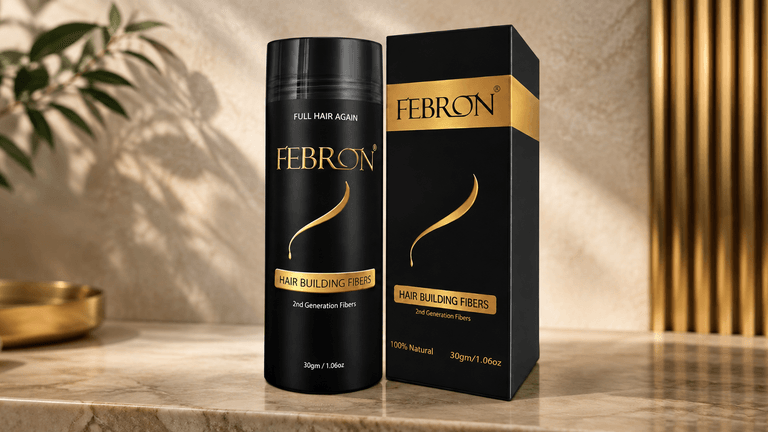
The Hair Loss Problem Nobody Talks About: What 1,718 Reviews Reveal