An author and masters runner turns inward to explore choice, self-concept, and the practice of being present.
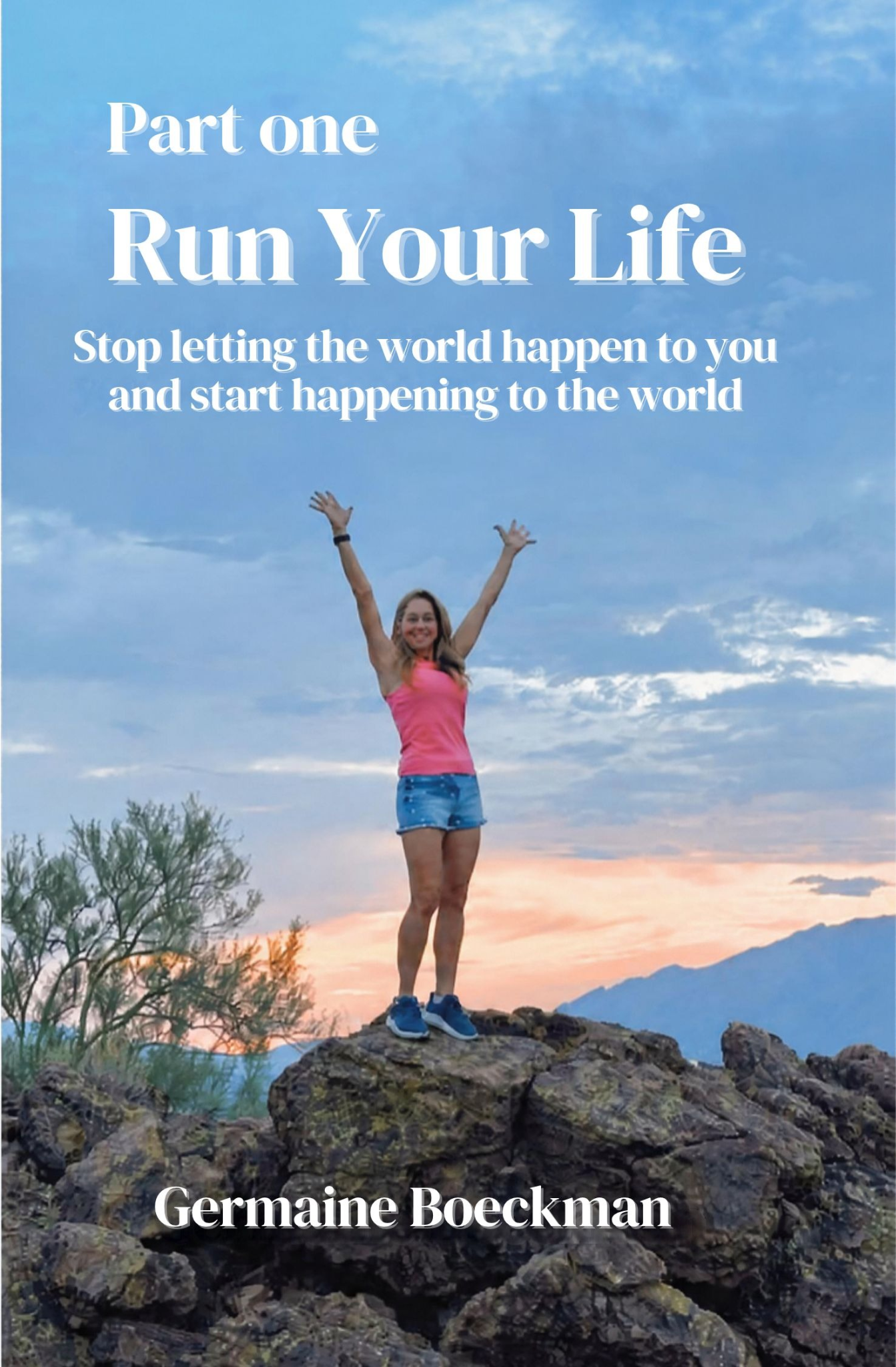
The turning point in Germaine Boeckman’s story was a change in where she looked for answers. Rather than keep searching outside herself, she turned inward. That shift became the foundation of Run Your Life: Stop Letting the World Happen to You and Start Happening to the World, her first book, published in 2026. For Boeckman, a competitive masters runner, the questions reached beyond running. They touched how she saw herself, how she met daily life, and what it meant to take a more active role in her own story.
Run Your Life Begins With A Different Question
Published through Germaine Publishing, the book brings together memoir, personal growth, and spiritual exploration. Its starting point is both simple and demanding: What changes when a person stops treating the outside world as the sole source of direction? Boeckman approaches that question through her own experience. Rather than present a detached set of rules, she places her life within the inquiry. The result is a book built around reflection, with one woman’s search giving shape to larger questions about identity and choice.
Her background gives that search a distinct setting. Running is part of her lived experience, not merely an image chosen to explain persistence. As a competitive masters runner, she knows the sport from the inside. Yet Run Your Life is not presented as a training manual. Running forms one thread in a wider account of inner work. Boeckman describes a shift that affected both her approach to the sport and the way she understood other parts of her life.
The key decision was to make her own experience the place where ideas had to matter. Her stated point of difference is that she has lived the concepts she explores. That gives the book a personal basis, but it also calls for a distinction: lived experience is testimony, not scientific proof. The value of her account lies in what she noticed, questioned, and came to understand. Readers can consider those observations without having to treat one person’s path as a universal rule.
That distinction makes room for a more useful conversation. A memoir need not speak for everyone to offer something worth examining. It can help a reader name a question that has stayed vague or notice an assumption that has gone unchallenged. Boeckman’s story works within that space. Her inward turn is the event that anchors the book, while the reader remains free to decide what resonates, what needs closer thought, and what belongs to a different life.
How Run Your Life Connects Experience And Inquiry
Boeckman draws on her certification as a neuroplasticity coach, an interest in neuroscience, and wisdom from thirteen world traditions. Those sources give the book a broad field of inquiry. They also bring together different ways of asking how people understand themselves. The personal account remains important here: it provides a human thread through material that could otherwise feel abstract. Readers encounter these ideas through an author exploring their place in her own life, rather than through a claim that every tradition says the same thing.
One central theme is self-concept: the picture a person holds of who they are. Run Your Life explores how that picture can shape the way life is perceived and approached. This is not the same as saying that thought controls every event. Instead, the theme invites a closer look at the stories people carry about their own limits, roles, and choices. Which descriptions still fit? Which ones have become habits? Such questions give the book’s broader inquiry a clear, personal focus.
Another theme is the relationship between mind and body. For an author whose life includes competitive running, that subject has a natural place in the story. Boeckman explores it alongside questions of attention and presence. The emphasis is on how she understands her experience, not on a promise of a medical or therapeutic result. That boundary matters. It allows the book to discuss neuroscience and personal change while keeping the author’s reflections distinct from evidence for any specific health claim.
Presence gives these themes a shared center. To ask what it means to be truly present is also to ask where attention goes and what gets missed. Boeckman places that question beside another: Where does real power live? In the context of her story, the inquiry turns toward one’s own response to life. It leaves room for both agency and limits. A person can examine a choice without pretending to control every circumstance, and can seek direction without denying the world beyond the self.
A Personal Story With Room For The Reader
What makes Run Your Life distinctive is the combination of its sources and its personal stake. Memoir supplies the lived account. Spiritual exploration broadens the questions. Neuroscience offers another area of interest through which Boeckman considers change. None of those strands stands alone in the book’s description. Together, they reflect an author trying to connect what she has studied with what she has experienced. That connection is the core of her approach, rather than a claim to have found an answer for everyone.
The book’s subtitle makes its central tension clear: stop letting the world happen to you and start happening to the world. Beneath that forceful phrasing is a question about participation. How does someone move from simply reacting toward living with greater intent? Boeckman answers through her own account of turning inward. Readers do not need to share her sport or every source she draws upon to engage with that question. They need only an interest in examining how they meet their own lives.
As a first-time author, Boeckman is also bringing a private process into public view. Publishing the story gives readers access to ideas that grew from decades of lived experience. It creates a point of contact beyond the page, too. Her author website includes opportunities to learn about events, and inquire about author talks. Those options extend the book’s themes into conversation, where readers can learn more about the person behind the work and the questions that continue to interest her.
Explore More About Germaine Publishing
Ready to take control of your life and create a future driven by purpose? Discover Germaine Boeckman’s book, Run Your Life: Stop Letting the World Happen to You and Start Happening to the World, on Amazon or explore her author page. For more inspiration, personal insights, and updates, connect with Germaine on Facebook, Instagram, and TikTok. Your next chapter begins with the choices you make today.
Women’s Insider Contributor
Emily R. Parker
Emily R. Parker is a lifestyle and business writer with a focus on wellness, career development, and modern leadership. Her articles highlight real-world strategies for women balancing ambition and well-being.
This article features partner, contributor, or branded content from a third party. Members of the Women’s Insider editorial staff were not involved in the creation of this content. All views and opinions are those of the contributor alone.
Related Posts
Joshua Polivka, The Language Coach you need

How Hike Tee Is Bringing More Laughter to Every Outdoor Adventure

AutoTuff Brings Durable, Disposable Car Floor Protection To Drivers Nationwide

TaxHub And Stephanie Dioguardi-Fields: Opening Doors

Joshua Polivka And The New Standard For ESL