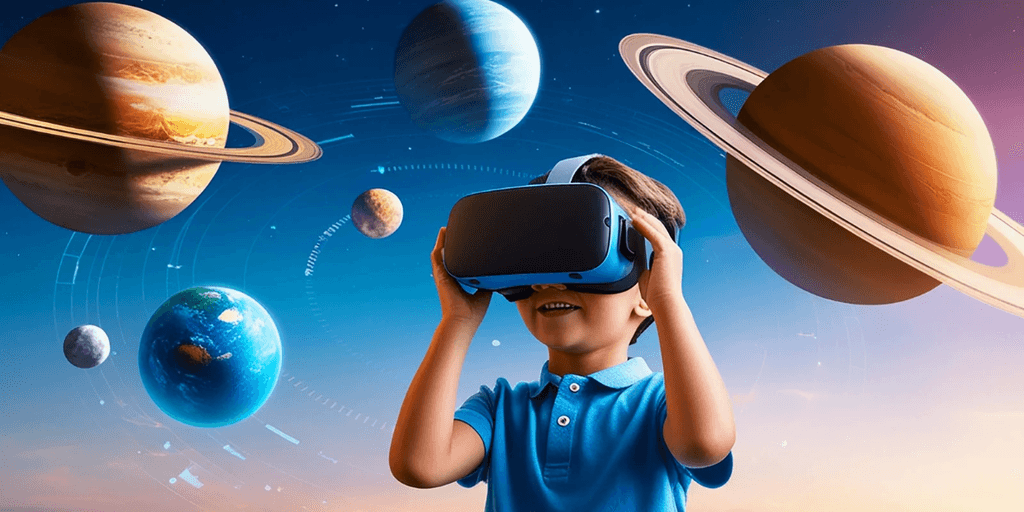
NASA's major aerospace event in Florida brings space technology, scientific innovation, and educational experiences closer to American families.
On November 7, 2026, NASA brought the future of aviation and space exploration into the public spotlight as its MAX POWER aerospace expo and air show opened at Kennedy Space Center in Florida. The event marked a major celebration of American innovation, bringing together astronauts, scientists, engineers, technology developers, and families for an immersive look at the technologies shaping tomorrow's world.
Organized as part of America's 250th anniversary celebrations, NASA MAX POWER was designed to connect the country's aerospace achievements with its future ambitions. The two day event, scheduled for November 7 and 8, featured advanced aircraft, space exploration exhibits, autonomous technology, and educational activities. For visitors, it offered an opportunity to explore the science behind modern aviation and space missions while meeting the people working to advance these fields.
NASA MAX POWER Brings Innovation To Florida
The event took place across several locations at Kennedy Space Center and its surrounding facilities, including the Kennedy Space Center Visitor Complex and the historic Shuttle Landing Facility.
NASA organized the experience around three main attractions. The Air Dot Show featured aircraft displays and scheduled aerial demonstrations, including appearances by the United States Air Force Thunderbirds. The UP.Summit technology exhibition focused on emerging innovations involving aircraft, drones, robotics, and transportation.
Meanwhile, the Kennedy Space Center Visitor Complex offered interactive exhibits, educational presentations, and opportunities to learn about NASA's exploration programs.
The event also highlighted NASA's X59 experimental aircraft, developed to investigate quieter supersonic flight. This research could help scientists understand how future aircraft might travel faster than conventional passenger planes while reducing the disruptive noise associated with sonic booms.
By bringing these technologies into a public setting, NASA aimed to make complex scientific developments more accessible to visitors of different ages and backgrounds.
Astronauts And Scientists Share The Future Of Exploration
One of the central attractions on November 7 was the opportunity to hear directly from NASA astronauts and scientific experts.
The scheduled program included an appearance by members of the Artemis III crew, featuring NASA astronauts Randy Bresnik and Frank Rubio, European Space Agency astronaut Luca Parmitano, and backup crew member Bob Hines.
NASA also scheduled presentations on advanced aviation research, nuclear technology for space applications, and the Nancy Grace Roman Space Telescope.
Another important event was a planned news conference focused on NASA's Moon Base initiative. The program was designed to provide information about the agency's plans for establishing infrastructure to support sustained lunar exploration.
These discussions reflected NASA's broader effort to connect scientific research with practical engineering challenges, including transportation, energy, communications, and long term operations beyond Earth.
Why NASA MAX POWER Matters For Women And Young Innovators
Beyond the aircraft demonstrations and technological exhibits, NASA MAX POWER carried an important educational message.
Science, technology, engineering, and mathematics continue to shape careers across aerospace, computing, manufacturing, and research. Public events such as MAX POWER can help students understand how classroom subjects connect with real occupations and scientific discoveries.
For girls and young women interested in these fields, opportunities to meet engineers, researchers, and astronauts can make technical careers feel more accessible.
The event's program included contributions from women working in specialized scientific roles. Cynthia Simmons, director of NASA's Space Reactors Division, was scheduled to participate in a discussion about nuclear technology. Julie McEnery, a senior project scientist associated with the Nancy Grace Roman Space Telescope, was also scheduled to present information about the mission.
Their participation highlighted the range of professional expertise involved in modern space exploration, from engineering and energy systems to astronomy and scientific leadership.
Interactive Learning Connects Families With Science
The Kennedy Space Center Visitor Complex added family activities to the event, including educational demonstrations, astronaut appearances, space technology exhibits, and a themed parade.
Visitors could explore displays related to lunar exploration, spacecraft development, robotics, and future space habitats. Activities involving science, technology, engineering, arts, and mathematics encouraged participants to engage with technical ideas through practical experiences.
The event also featured a special exhibition of artwork from NASA's collection, connecting the history of space exploration with creative expression.
This combination of education and entertainment helped make the aerospace industry understandable to audiences without technical backgrounds.
For parents, teachers, and students, the event demonstrated how curiosity about space can lead to broader interests in science, design, problem solving, and innovation.
What NASA MAX POWER Means For The Future
NASA MAX POWER represented more than a weekend celebration of aircraft and spacecraft. It reflected the growing importance of public engagement in scientific discovery.
As aerospace technology advances, developments in robotics, autonomous systems, advanced materials, and transportation may influence industries beyond space exploration.
The event also demonstrated the value of collaboration among government researchers, private companies, educators, and scientific institutions.
For American families, the central takeaway is that space exploration involves far more than launching rockets. It depends on people with different skills working together to solve difficult problems.
As NASA continues developing new technologies and pursuing ambitious exploration goals, events such as MAX POWER offer the public a clearer understanding of the opportunities and challenges ahead.
For women and girls considering careers in science and technology, the message is especially relevant: The future of exploration will require new ideas, diverse expertise, and the next generation of innovators.
Women’s Insider Contributor
Rachel M. Collins
Rachel M. Collins specializes in entrepreneurship, media, and contemporary culture. She writes with a reader-first approach, blending clarity with thoughtful storytelling.
This article features partner, contributor, or branded content from a third party. Members of the Women’s Insider editorial staff were not involved in the creation of this content. All views and opinions are those of the contributor alone.
Related Posts

Show Employers What You Could Contribute from Day One

Advanced Permanent Makeup Institute Prepares Students for Careers in Permanent Makeup
Juli Taylor Turns Trash Into Strategy

Germaine Boeckman: The Story Behind Run Your Life

Petra Rényai Is Shaping A New Era Of Creative Freedom