
Survivor founded app HEARD combines trauma informed technology, education, and secure tools to help people recognize abuse sooner.
For many people experiencing emotional abuse or coercive control, the word “abuse” is not part of their vocabulary. Instead, they describe feeling confused, isolated, anxious, or as though they are constantly walking on eggshells. The harmful patterns often develop gradually, making them difficult to recognize until months or even years have passed.
That gap in awareness inspired the creation of HEARD, a survivor-led platform designed to help people identify unhealthy relationship patterns earlier, safely document their experiences, and begin accessing support before situations escalate.
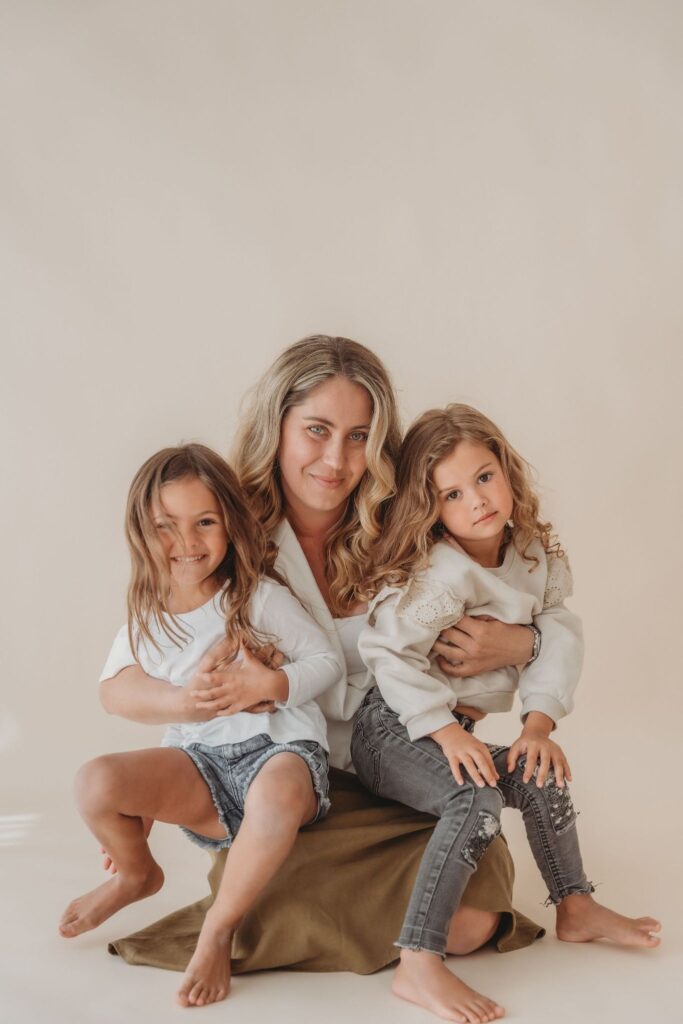
Founded by Georgia Kinchin after leaving an abusive relationship while caring for a two year old daughter and a six week old baby, HEARD was built from lived experience and shaped by a simple but powerful mission: help people recognize abuse sooner so no survivor feels unheard.
Turning Lived Experience Into Meaningful Innovation
Georgia Kinchin did not set out to build a technology company. Her journey began with a deeply personal realization that many survivors struggle to identify abuse while they are living through it.
After rebuilding her own life as a single mother, she saw an opportunity to address a critical gap in support. While crisis services, shelters, counseling, and legal resources remain essential, many people spend months or years questioning their experiences before ever reaching those services.
HEARD was created to bridge that gap.
Rather than replacing professional support, the platform brings together education, secure documentation, guided recovery tools, and trauma informed technology in one discreet space designed to support people throughout different stages of their journey.
Technology Supporting Earlier Recognition
One of the defining features of HEARD is its use of trauma-informed artificial intelligence alongside evidence-based education to help users better understand relationship behaviors that may indicate emotional abuse, coercive control, or psychological abuse.
The app also provides secure documentation tools that allow users to privately record incidents, organize information, and build a clearer picture of patterns that may otherwise be dismissed or forgotten over time.
Importantly, HEARD was developed in collaboration with survivors and experts in trauma, violence prevention, and coercive control to help ensure every feature prioritizes safety, privacy, and informed support.
“For many survivors, the word ‘abuse’ isn’t the first thing that comes to mind. The biggest barrier is often recognizing what’s happening in the first place. If we can help people identify abuse earlier, we have an opportunity to change outcomes before situations escalate,” said Georgia Kinchin, Founder of HEARD.
Guided By Experts And Survivor Experience
HEARD’s commitment to responsible innovation extends beyond technology. The platform has been shaped through collaboration with survivors and an advisory board that brings together expertise in family and sexual violence, coercive control, trauma, and prevention.
Among those guiding the platform is Professor Anastasia Powell, one of Australia’s leading authorities on family and sexual violence. As Professor of Family and Sexual Violence at RMIT University, a Board Director of Our Watch, and a nationally recognized criminologist and researcher, Professor Powell has spent more than two decades helping shape policy, prevention strategies, and responses to gender based violence. Her guidance helps ensure HEARD remains grounded in current evidence while staying deeply informed by the lived experiences of survivors.
The advisory board also includes Samantha Jade, whose experience became a landmark moment in Australia when her former partner became the first person imprisoned under New South Wales’ coercive control legislation. Alongside other survivor advocates and subject matter experts, the board helps shape HEARD’s ongoing development so the platform reflects both evidence informed practice and the real world experiences of those it is designed to support.
By combining academic leadership, survivor perspectives, and trauma informed design, HEARD continues to evolve as a platform focused on helping people recognize abuse earlier and access support with greater confidence.
Building A Survivor Ecosystem
What distinguishes HEARD is its vision of supporting survivors beyond a single moment of crisis.
Whether someone is questioning their relationship, experiencing ongoing abuse, preparing to leave, navigating post separation abuse, or rebuilding life afterward, the platform is designed to provide practical resources that evolve alongside their needs.
By combining abuse recognition, education, secure documentation, guided healing resources, and support tools within one platform, HEARD aims to reduce the burden of navigating multiple disconnected services during an already overwhelming time.
This survivor centered approach reflects both lived experience and ongoing collaboration with specialists who help guide the platform’s development.
Recognition For A Different Approach
Since launching, HEARD has attracted attention for demonstrating how technology can be used responsibly to support early intervention in domestic and family violence.
The platform has been featured by 7NEWS Australia and Startup Daily, highlighting its mission to help people identify abusive relationships earlier through technology informed by survivor experiences.
HEARD also received the Platinum Award for Best New App from the Best Mobile App Awards, recognizing its innovative approach to combining technology with trauma informed support.
These milestones reflect growing recognition that responsible technology can play an important role alongside existing support services by helping people recognize unhealthy relationship patterns before they escalate.
Looking Toward The Future
As digital tools continue transforming healthcare and wellbeing, Georgia Kinchin believes technology has the potential to make support more accessible without replacing the essential role of trained professionals and community organizations.
Her vision for HEARD extends beyond creating an app. It is about building a trusted survivor ecosystem that helps people feel seen, informed, and empowered throughout every stage of recovery.
By combining lived experience with thoughtful innovation, HEARD demonstrates how technology can become an early point of connection for people who may not yet realize they need help.
Learn More About HEARD
People interested in learning more about HEARD can visit heard-app.com to explore the platform and its survivor focused resources. Follow HEARD on Instagram and on Facebook for updates and educational content.
Women’s Insider Contributor
Lauren E. Whitman
Lauren E. Whitman covers women in business, lifestyle trends, and personal growth. Her work focuses on practical insights that help readers navigate modern careers and everyday life.
This article features partner, contributor, or branded content from a third party. Members of the Women’s Insider editorial staff were not involved in the creation of this content. All views and opinions are those of the contributor alone.
Related Posts
Anatomy, Artistry, and Individuality: Inside LA MÔEM Plastic Surgery

How Taiyo Munch Makes Snacking Safer To Share

Who Holds the Woman Who Holds Everyone Else?
Beyond "Just PMS": Carola Le-Wriedt on the Story Behind Wellhistic's Bestselling Formula

Mystic Moon Spiritual Readings And Energy Healings LLC Turns Intuition Into Impact