J. René Walker Brings a Personal Standard to Luxury Real Estate
Lauren E. Whitman
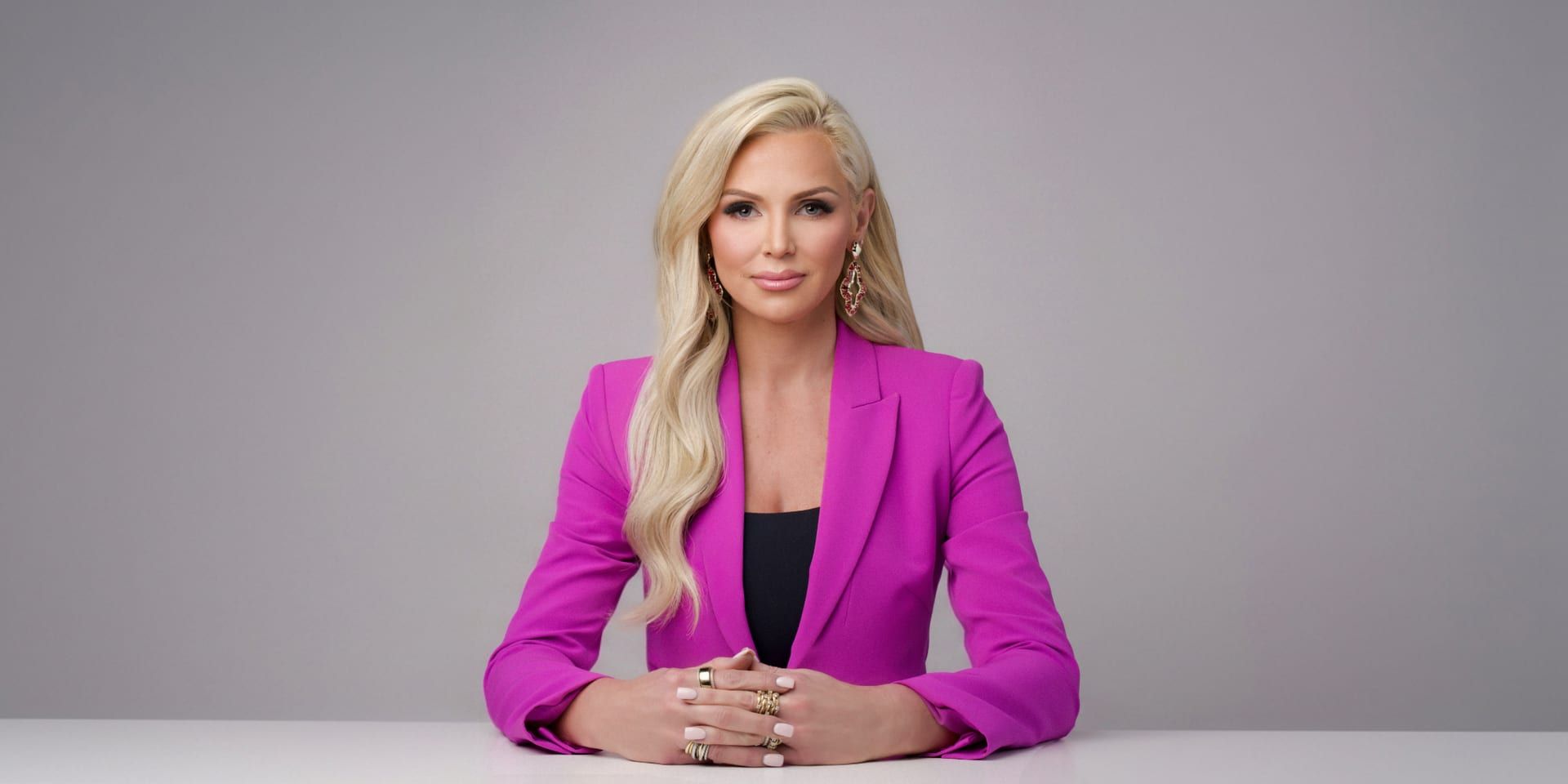
When J. René Walker talks about luxury real estate, she rarely starts with the house. She starts with…
 Monday, August 24
When J. René Walker talks about luxury real estate, she rarely starts with the house. She starts with…



She worked 5,840 hours in one year. Then she built the technology to make…
A survivor turned advocate reshaping family law in Utah, one client at a time.
Discover how Red Carpet Real Estate Agency helps clients and agents grow through service…
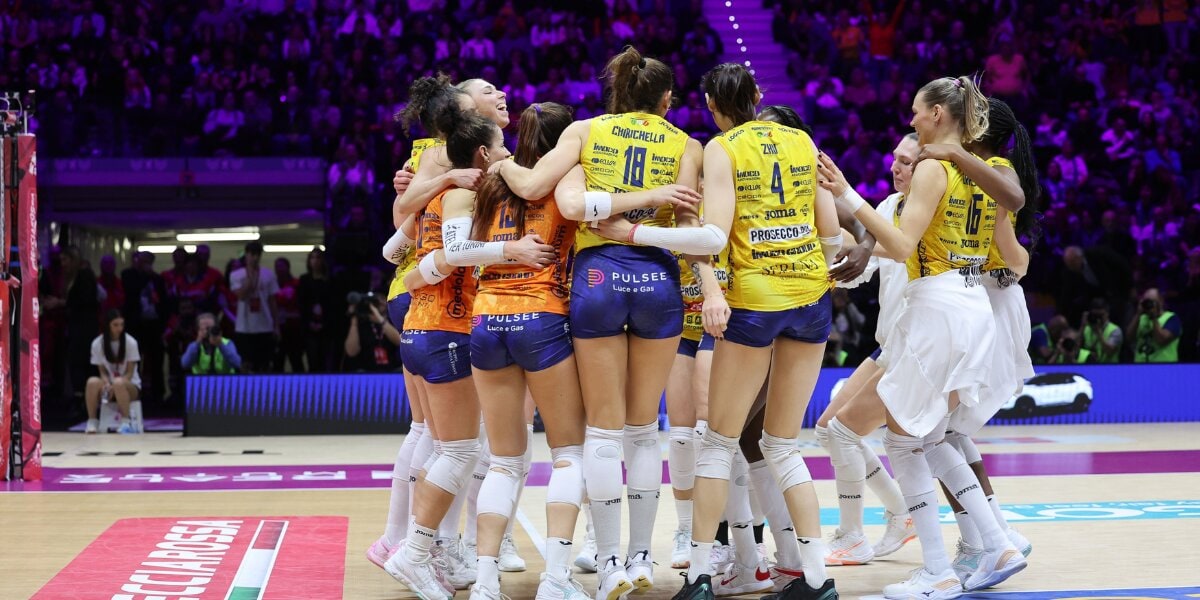
As AI transforms content, live sport’s authenticity, uncertainty, and human connection remain valuable in…
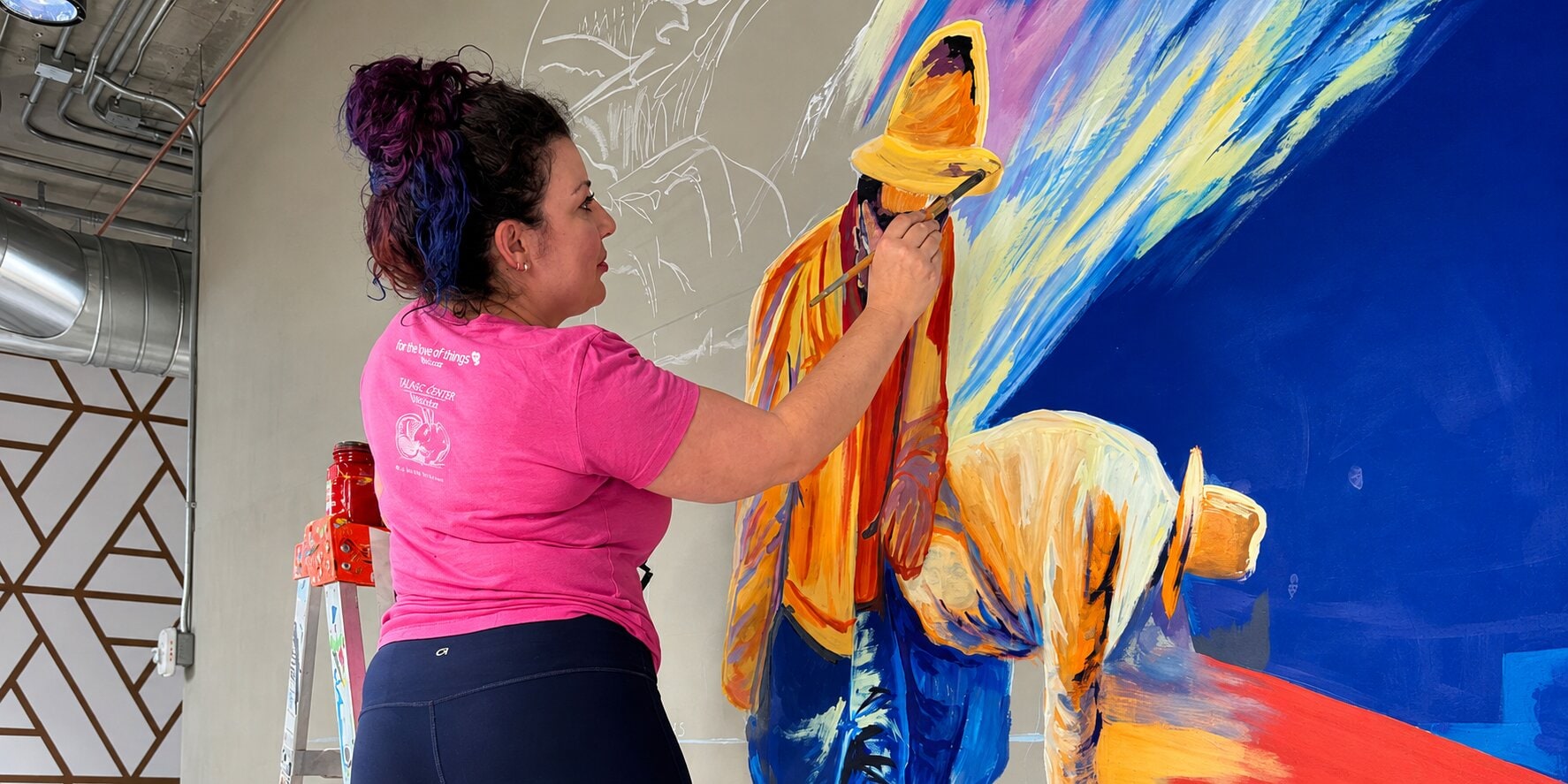
How Hayley Ferreira built a thriving custom mural business from the ground up. Hayley…
Maison Avadote turns the customer relationship from a transaction into a private world built around belonging.
Where flowers become heirlooms, stories become poetry, and intentional living inspires what comes next.
Maddie Zobrist is making custom engagement rings feel personal, clear, and possible.
Meet the multi award-winning coach helping women rebuild self-belief and become truly unstoppable.
Jessica Woodall is building a standout modeling career through professionalism, versatility, and a commitment to excellence in every…
With decades of expertise and a patient first philosophy, Zona Med Spa helps clients…
Elev8 Skin Lab introduces a thoughtful approach to luxury beauty through premium vegan products…
Two friends opened a dental practice with an empty schedule. Then they changed a community.


For accomplished women, Cory Michelle questions why the most personal dream is so often the easiest one to…
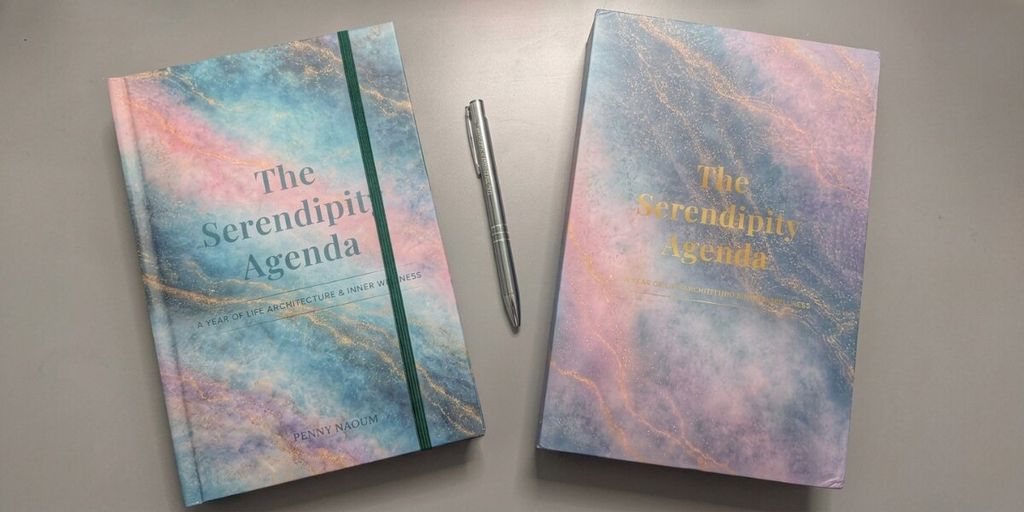




Meet the New York psychic guiding everyday people and celebrities with honesty and heart. Some people walk into a reading hoping to…

The Epic Comeback helps women reclaim confidence, faith, self-worth, and become the woman God created you to be. Sometimes you do not…

Meet the matchmaker helping successful singles trade endless swiping for meaningful, lasting connection. Somewhere between the tenth first date and the hundredth…

Jeremiah Ace Brown debuts in country music with “Special As You,” an inspiring single dedicated to Camilla. The first notes of “Special…
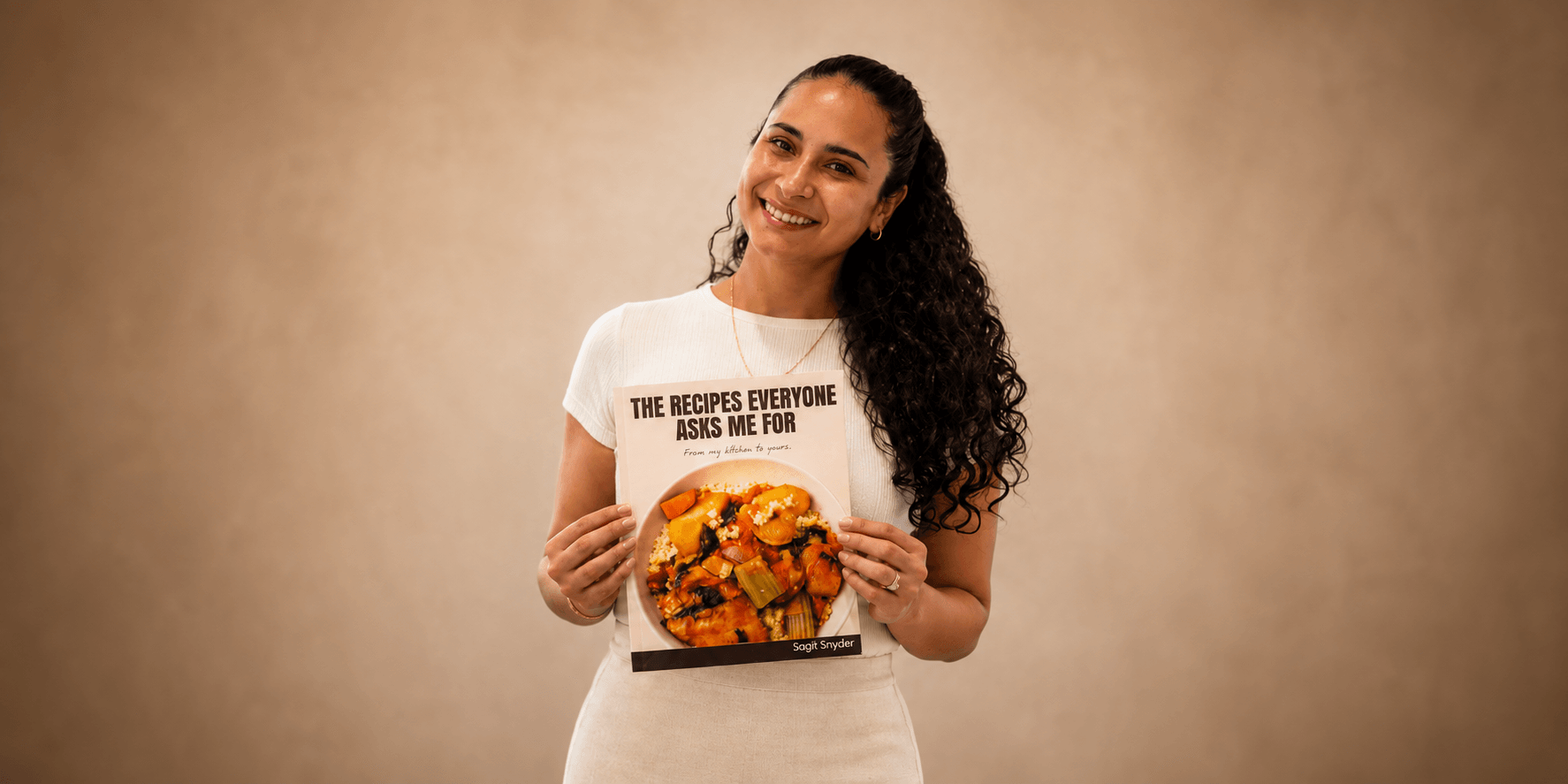
How a home baker turned constant recipe requests into her first published cookbook. It began with a simple question, asked again and…

An author turned the accent society mocked into her greatest source of strength. For years, Lucie Nyota believed her voice was something…