Modern smile rejuvenation looks beyond the teeth, considering alignment, color, gums, proportions, and surrounding facial features together.
A smile can change the way a person sees themselves, but the smile in the mirror is never made of teeth alone. The gums create its frame. The lips shape how much of the smile is visible. Tooth position, color, size, and proportion influence how the smile relates to the rest of the face. Even the way teeth meet and wear over time can affect both appearance and function.
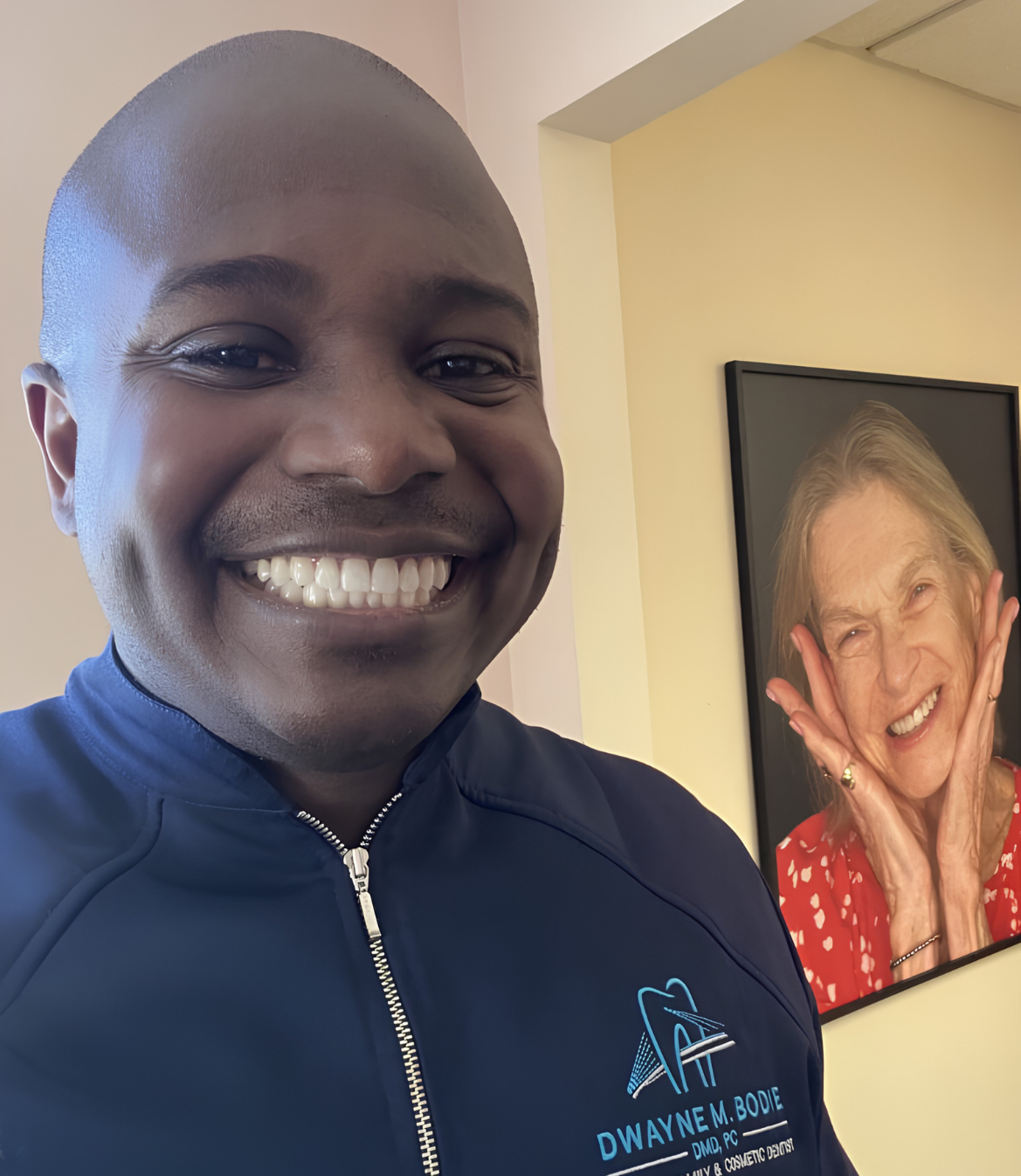
That broader view is shaping the philosophy behind modern smile rejuvenation. For Dwayne M. Bodie, D.M.D., a dentist and practice owner in Nyack, New York, the objective is not simply to create straighter or whiter teeth. It is to understand what is influencing a patient's smile and determine whether anything needs to be changed at all. His practice serves Rockland County and the Hudson Valley and combines cosmetic dentistry with digital dentistry, Invisalign, professional whitening, and laser technology. The emphasis is on individualized planning, with oral health and aesthetics considered together.
Looking Beyond The Teeth
The phrase "beyond the teeth" describes a shift in how cosmetic dentistry can be approached. Instead of evaluating each visible concern in isolation, a comprehensive examination can consider the relationship between the teeth, gingival architecture, lips, and surrounding facial features.
For example, a smile may appear uneven because of tooth position, but the underlying visual imbalance could also involve the gumline. A tooth may look too small when the issue is partly related to the amount of gum tissue covering it. Likewise, a patient concerned about color may not need veneers if professional whitening can address the primary issue while preserving natural tooth structure.
This does not mean that a comprehensive evaluation automatically leads to more procedures. In many cases, the opposite may be true. Looking at the entire smile can help identify the most conservative appropriate option rather than treating every visible difference separately.
That principle is reflected in Dr. Bodie's broader approach to cosmetic dentistry, which includes Invisalign, whitening, veneers, bonding, and smile makeover planning.
Invisalign Can Be About More Than Straight Teeth
Alignment is one of the clearest examples of why smile rejuvenation can extend beyond appearance. Invisalign uses a series of clear aligners to gradually move teeth according to a dentist supervised treatment plan. At Dr. Bodie's practice, planning includes consultation, clinical evaluation, digital scanning, and imaging before the proposed tooth movements are refined.
The aesthetic benefit can be obvious, but alignment can also be considered in relation to cleansability, wear, function, and long term oral health. Straighter teeth may be easier for some patients to brush and floss effectively, while appropriate positioning can also be relevant when evaluating how teeth contact one another and where excessive wear may occur.
That is why Invisalign can be approached from both a health and aesthetic perspective. The question is not simply, "How can these teeth look straighter?" It is also, "What position makes sense for this patient's smile, bite, hygiene, and overall dental needs?"
Color Can Be Refined Without Changing The Smile's Character
Tooth shade is another part of the picture. Teeth naturally change with age, and staining can be influenced by foods, beverages, tobacco exposure, and other factors. Professional whitening can brighten natural teeth while leaving their basic shape and position unchanged.
Dr. Bodie's practice offers professional whitening, including in office and take home approaches, using KöR Whitening. KöR Whitening is a professionally administered whitening system with different protocols designed for different types of discoloration.
The broader principle remains important: whitening is not necessarily a preliminary step toward more extensive cosmetic dentistry. For some patients, changing tooth shade may address the concern by itself. For others, shade may be considered alongside alignment, tooth shape, or existing restorations. The appropriate choice depends on the condition of the teeth, the patient's goals, and clinical evaluation.
The Gums Are Part Of The Smile, Too

Looking beyond the teeth also means looking carefully at the gums. Gingival tissue creates the border around the visible teeth, so its contour, symmetry, and pigmentation can influence how the smile is perceived.
Gingival contouring may be appropriate in selected cases where the gumline contributes to an uneven appearance or where the relationship between visible tooth structure and gum tissue is a concern. The suitability of any procedure depends on factors such as periodontal health, anatomy, and the patient's objectives.
Laser technology can provide another tool for selected soft tissue procedures. Dr. Bodie's use of Fotona laser technology is particularly relevant to this broader concept because Fotona's dental laser systems are designed for applications involving both hard and soft tissue. Fotona identifies gingivoplasty, gingivectomy, crown lengthening, and gingival depigmentation among potential applications of its dental laser technology.
Gingival depigmentation is one example of how the tissues surrounding the smile can become part of an aesthetic discussion. In appropriate cases, laser assisted techniques may be used to reduce areas of darker gingival pigmentation and create a more uniform appearance. However, pigmentation is a normal biological characteristic for many people, and treatment is not inherently necessary. Whether depigmentation is appropriate requires an individual assessment.
The same conservative principle applies to other soft tissue applications. Fotona technology includes a range of procedures involving oral and perioral tissues, but the existence of a technological option does not mean that every patient should pursue it. The clinical indication, expected benefit, tissue characteristics, and patient's goals should determine whether a particular procedure belongs in the treatment plan.
Minimally Invasive Planning Can Mean Doing Less
Technology can expand what dentists are able to evaluate and treat, but it can also support a more restrained approach. Digital scans, imaging, and smile visualization can provide additional information about proportions and proposed changes before treatment begins. Dr. Bodie's practice also presents digital smile visualization as part of its approach to helping patients understand potential cosmetic changes.
That matters because comprehensive treatment planning should not be confused with comprehensive treatment. A dentist can consider alignment, color, tooth shape, gingival architecture, and the surrounding smile without deciding that every element needs to be altered.
Sometimes the most appropriate plan may involve whitening alone. In another case, alignment may be the primary concern. A small amount of cosmetic bonding may address a localized shape issue, while a carefully selected gingival procedure may address the frame of the smile. More extensive restorations may be considered when they are clinically appropriate, but they do not have to be the starting point.
The goal is to understand the whole picture before deciding how much intervention is actually necessary.
Technology Should Support The Person, Not Replace The Dentist
Modern smile rejuvenation is ultimately less about adding treatments and more about improving the quality of the decision making behind them. Invisalign can address alignment while keeping oral health and function in view. Professional whitening, including options such as KöR Whitening, can address color without changing tooth structure. Cosmetic bonding or veneers may address shape and proportion when indicated. Selected Fotona laser procedures can provide additional options for gingival and soft tissue concerns.
Together, these possibilities support a more individualized question: What is actually influencing this person's smile, and what is the least invasive appropriate way to address it?
That perspective keeps the patient at the center of the process. Technology can provide better records, more treatment options, and greater precision, but the final plan still depends on clinical judgment, communication, and an understanding of what the patient wants to preserve as much as what they want to change.
A smile should still look like the person wearing it.
For readers interested in exploring this approach, Dwayne M. Bodie's cosmetic dentistry services provide an overview of available options, while the practice's Invisalign information and teeth whitening information offer more detail on those specific areas. The practice's broader laser services also reflect the connection between oral health, function, and aesthetics.
"A smile increases your face value!"
Dwayne M. Bodie, D.M.D.
drbodie.com
Women’s Insider Contributor
Emily R. Parker
Emily R. Parker is a lifestyle and business writer with a focus on wellness, career development, and modern leadership. Her articles highlight real-world strategies for women balancing ambition and well-being.
This article features partner, contributor, or branded content from a third party. Members of the Women’s Insider editorial staff were not involved in the creation of this content. All views and opinions are those of the contributor alone.
Related Posts
Anatomy, Artistry, and Individuality: Inside LA MÔEM Plastic Surgery

How Taiyo Munch Makes Snacking Safer To Share

Who Holds the Woman Who Holds Everyone Else?

Beyond "Just PMS": Carola Le-Wriedt on the Story Behind Wellhistic's Bestselling Formula

Mystic Moon Spiritual Readings And Energy Healings LLC Turns Intuition Into Impact