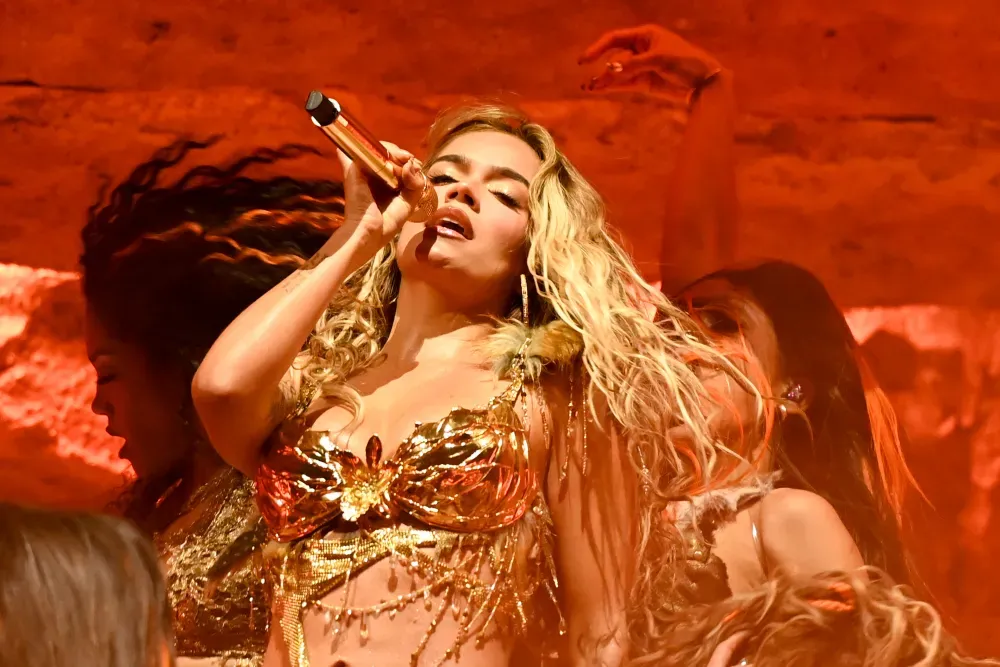
Most festival headlines chase spectacle. The smarter question is what the spectacle means. Karol G Coachella was not just another high-energy headliner set. It landed as a cultural marker.
Karol G became the first Latina to command a solo set of this magnitude on the festival’s main stage, then used that platform to center Latino pride, community, and belonging. That matters because visibility is never just about being seen. It is about being seen on your own terms. What follows is not celebrity gossip.
It is a closer look at why this moment resonated, what it revealed about pop culture, and why it speaks to women understanding public identity today.
The Visibility Gap That Still Shapes Pop Culture
Representation stories often get flattened into milestones. A first. A barrier broken. A viral performance. That framing misses the deeper issue. Visibility is uneven, and the highest-profile stages still decide whose ambition looks universal and whose ambition gets labeled niche.
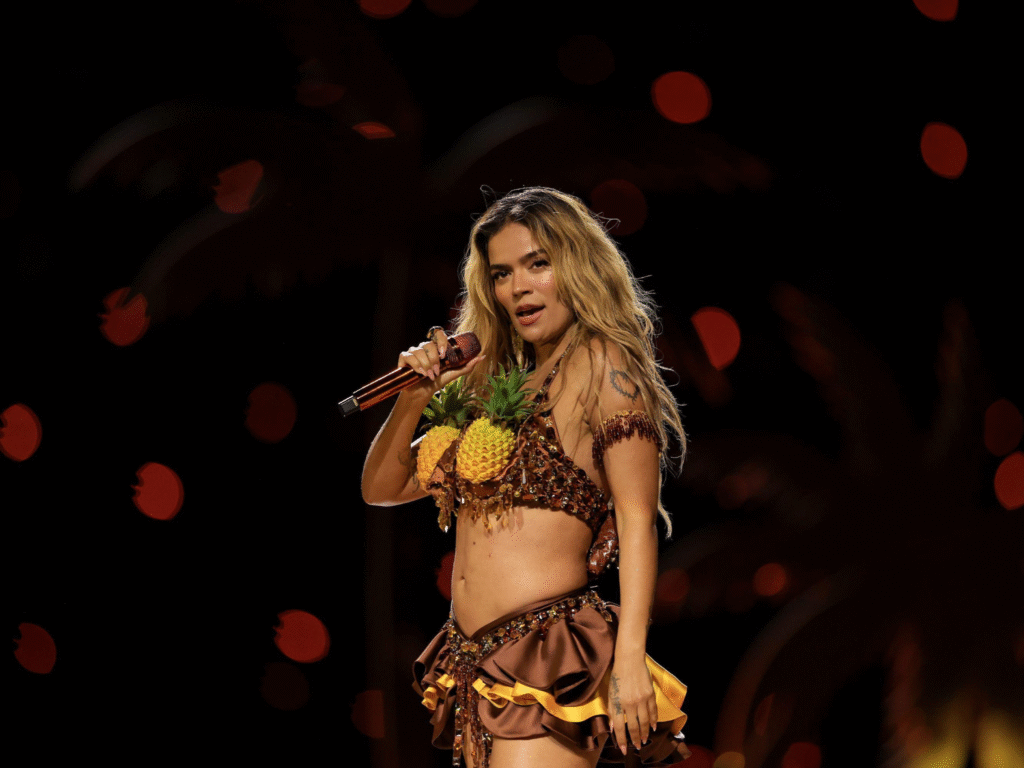
Karol G’s set mattered because it disrupted that old hierarchy in front of one of the most globally watched festival audiences in music. People reported that she made history for Latinas on the Coachella stage, while reviews described the show as a pointed celebration of Latin pride rather than a diluted crossover gesture.
That distinction is important. Women in pop are often rewarded for polish, trend fluency, and accessibility. They are not always rewarded for bringing full cultural specificity to the center of a mainstream event. Karol G did exactly that.
Her performance mixed reggaeton, mariachi textures, guest appearances, and language that directly acknowledged Latino identity and struggle in the United States. That is why this moment carried more weight than a standard career milestone. It turned a top-billed booking into an argument about who gets to define the emotional center of a major stage.
Why This Was Bigger Than a Festival Set
The strongest live performances do two things at once. They entertain. They reframe the room. Karol G’s Coachella set appears to have done both. Reviews highlighted not only the scale of the production but also the way the show honored Latino culture and widened the meaning of who the festival was speaking to.
NBC Los Angeles noted a women-led mariachi moment, while The Guardian and People both emphasized her direct appeal to community, pride, and welcome.
That matters for a second reason. Pop culture often confuses fame with authority.
- Fame draws attention.
- Authority shapes meaning.
Karol G stepped into a historic slot and used it to signal that cultural success does not require sanding down identity. That is what made the set feel bigger than entertainment. It showed that mass visibility can still carry texture, memory, and roots.
This is where confidence and visibility become more than branding language. Confidence, in this case, was not just stage presence. It was the decision to lead with heritage rather than tuck it into the background. Visibility was not just reached. It was control over the story being projected outward.
The Three Layers of This Moment
1. Confidence without dilution
The most striking part of the set was not simply that Karol G looked comfortable in a leading main-stage role. It was that the performance reportedly did not bend itself to fit an old idea of mainstream approval. Her message, music choices, and staging all reinforced a sense of arrival without apology. That is a stronger form of public confidence than image management alone.
2. Culture as center, not accessory
Festivals often borrow culture as mood, color, or styling. This performance appears to have done the opposite. Reviews point to a set built around Latin musical influences, guest collaborations, and explicit acknowledgment of community. That changes the logic of the show. Culture was not decoration. It was structured.
3. Visibility with consequences
High visibility can be flattering. It can also be demanding. Once a woman becomes a symbol, people often project expectations onto her. Karol G’s moment now carries that weight. The positive side is obvious. More women, especially Latinas, can see a fuller version of possibility on a stage that long overlooked them. The harder part is that symbolic breakthroughs always raise the pressure on the person who breaks through first.
[IMAGE: https://womensinsider.com/wp-content/uploads/2026/04/image-3.png]
What This Means for Women Watching
A performance like this lands differently depending on who is watching. For some, it is a music story. For others, it is a mirror. Public female success still gets filtered through questions men are less often asked. Is she too much.
Is she polished enough. Is she relatable enough. Is she crossing over correctly. Moments like Karol G Coachella challenge those filters because they widen the image of what public female ambition can look like.
That is especially relevant in a media culture obsessed with image discipline. Women are still taught to manage perception before they claim space. Be strategic. Be careful. Be appealing. Be legible. Karol G’s set offered another model. Bring the fullness of the story. Let the audience meet it there. That is not recklessness. It is clarity.
Here, confidence and visibility matter because they are linked. Visibility without confidence can turn into compliance. Confidence without visibility can remain private. Together, they create public presence.
What Most Sources Get Wrong About This Topic
Most coverage of cultural milestone performances falls into one of two traps. The first is shallow celebration. The second is empty controversy. Neither gets to the point.
The shallow version says this was inspiring and historic, then stops. That framing misses the mechanics of why the moment cut through. It was not just the prominent set time. It was the way Karol G used that slot to foreground identity, community, and genre texture rather than perform a neutralized version of global pop.
The controversy-first version is also weak because it turns every visible female performance into a morality debate. That approach strips away context and usually tells you more about the commentator than the art. A better reading looks at the set as a cultural negotiation. Who was represented. What was centered. What did the audience learn to value differently by the end of it.
That is the real takeaway. Visibility is not automatically meaningful. It becomes meaningful when it changes the frame.
A Better Way to Read Celebrity Culture
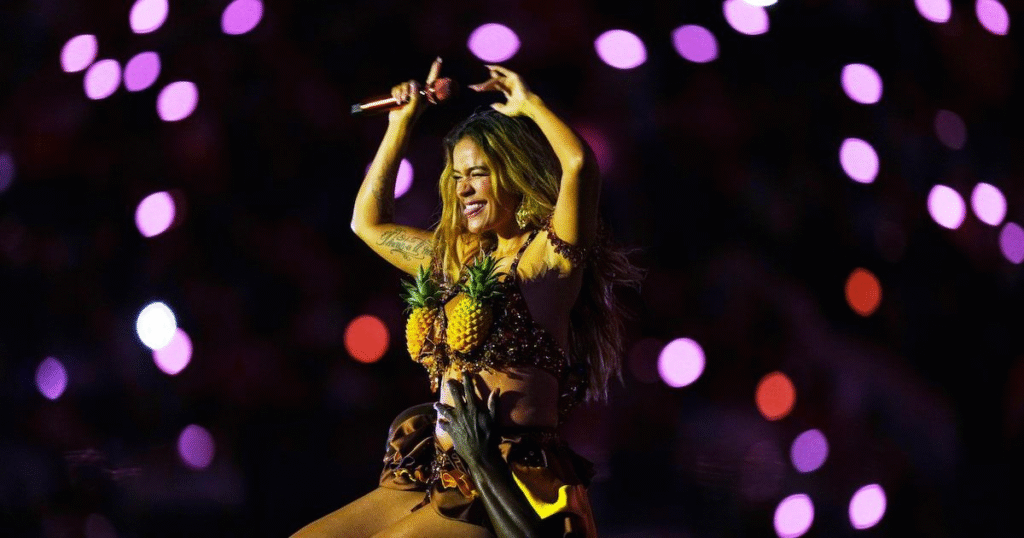
Celebrity culture is usually covered at the surface level. Outfit. reaction. guest list. clip. discourse. That leaves readers with fragments instead of interpretation.
A stronger read asks different questions:
That table is where this article really lands. Karol G’s performance matters less as a one-night triumph and more as a test case. When a woman claims a massive platform without flattening her identity, what changes afterward. Coverage. Expectations. Booking logic. Audience imagination. Those are the real metrics.
FAQ
Why was Karol G’s Coachella performance important?
Karol G’s Coachella performance was important because she achieved a historic main-stage presence as a Latina artist and used that platform to celebrate Latino culture, pride, and belonging in front of a global audience.
Was this moment only about music?
No. It was also about representation, public identity, and who gets centered on elite cultural stages. The performance worked as entertainment, but it also widened the conversation around visibility and cultural authority.
What made the set feel culturally significant?
Reviews pointed to a strong blend of Latin musical influences, guest appearances, and direct references to Latino community and pride. That made the set feel rooted rather than generic.
How does this connect to women and confidence?
The set showed that public confidence is not only about command or glamour. It is also about leading with identity, making clear choices, and refusing to shrink cultural specificity for broader approval.
Conclusion
The easiest way to cover this performance is to call it historic and move on. The more useful way is to ask why it felt historic in the first place. Karol G Coachella was not powerful only because of the high-profile billing. It mattered because the performance turned visibility into substance. It treated culture as central, not decorative. It showed that public confidence can be rooted, not diluted.
And it reminded audiences that when women take up major space without editing down who they are, the result can shift more than one night of headlines. That is why this moment deserves attention. Not as a passing pop culture high, but as a sharper lens on who gets seen, and how.
Women’s Insider Contributor
Lauren E. Whitman
Lauren E. Whitman covers women in business, lifestyle trends, and personal growth. Her work focuses on practical insights that help readers navigate modern careers and everyday life.
This article features partner, contributor, or branded content from a third party. Members of the Women’s Insider editorial staff were not involved in the creation of this content. All views and opinions are those of the contributor alone.
Related Posts

She Couldn’t Find the Prenatal Massage She Needed in Dubai, So She Built It

Jamison Kaufman Rediscovers The Art Of Storytelling Through Color, Light, And Everyday Beauty

Marc Denys And Pearl Project Music® Turn Women Empowerment Into A Soundtrack Of Courage And Unity

Why Women’s Health Should Include Sleep, Stress, Mobility, and Mental Well-Being, Not Just Routine Checkups

Dawn Michelle Castrataro Redefines Impact Through Authenticity