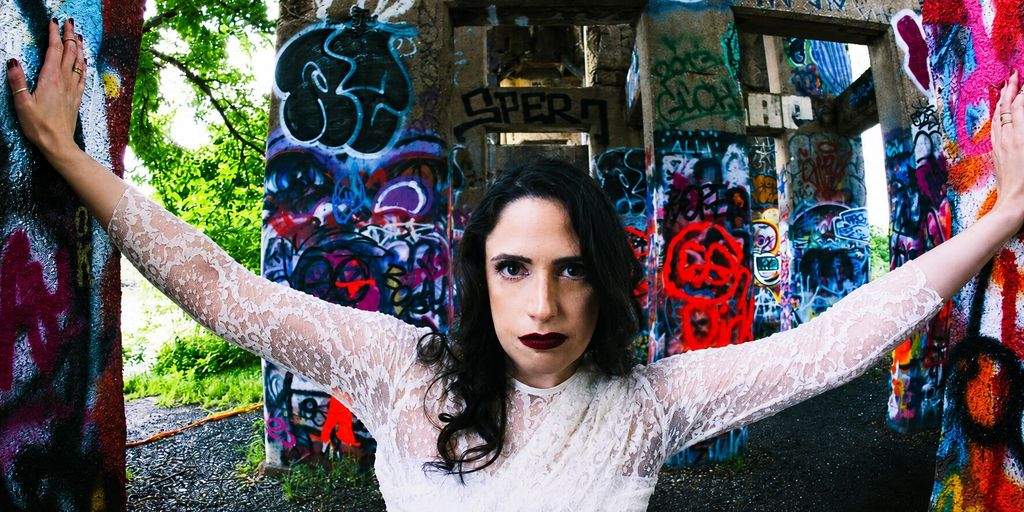
Maia Brown-Jackson turns pain, defiance, and tenderness into poetry that refuses to look away.
There is a particular silence that follows survival. It is not peace. It is the pause after the room stops shaking, when a person realizes that what happened cannot be undone, yet something inside them is still alive. Maia Brown-Jackson poetry begins in that charged silence. It steps into the places many writers soften, translate, or avoid, then names them with a voice that feels immediate, wounded, furious, and awake.
Maia Brown-Jackson Poetry And The Work Of Witness
Maia Brown-Jackson is an author with two published poetry collections, And My Blood Sang and Gifted. Her work has earned a Pushcart Prize nomination and the 2024 Prime 53 Poem Summer Challenge win. Yet numbers and honors tell only part of the story. The deeper point is that Brown-Jackson writes for readers who have been bent by the world and still believe, against evidence and exhaustion, that change is possible.
Her creative home is built for what she calls “reluctant idealists,” artists, survivors, over-feelers, and people with “kintsugi hearts.” That image matters. Kintsugi is the Japanese art of repairing broken pottery with gold, so that the fracture becomes part of the object’s beauty rather than a hidden flaw. Brown-Jackson’s poetry works in a similar spirit. It does not pretend the break did not happen. It makes the break visible, then asks what can be made from it.
In And My Blood Sang, Brown-Jackson explores trauma, anger, and the rougher truths of recovery. This is not polished healing sold as a graceful ending. It is a collection interested in what recovery looks like when it is ugly, uneven, and still necessary. The book’s power comes from its refusal to make pain palatable. Instead, it meets the reader in the raw state where language often fails and says, in essence, there is still a voice under the scar tissue.
That belief runs through Maia Brown-Jackson poetry: the voice may get buried, but it is not gone. Readers who come to her work looking for easy reassurance may be startled. Those looking for recognition may stay. Brown-Jackson writes about the parts of healing that people often hide because they are inconvenient, socially uncomfortable, or difficult to explain. She understands that recovery is not made less real by rage. In her world, rage can be evidence that a person knows they deserved better.
From Trauma To Freedom, The Poems Keep Moving
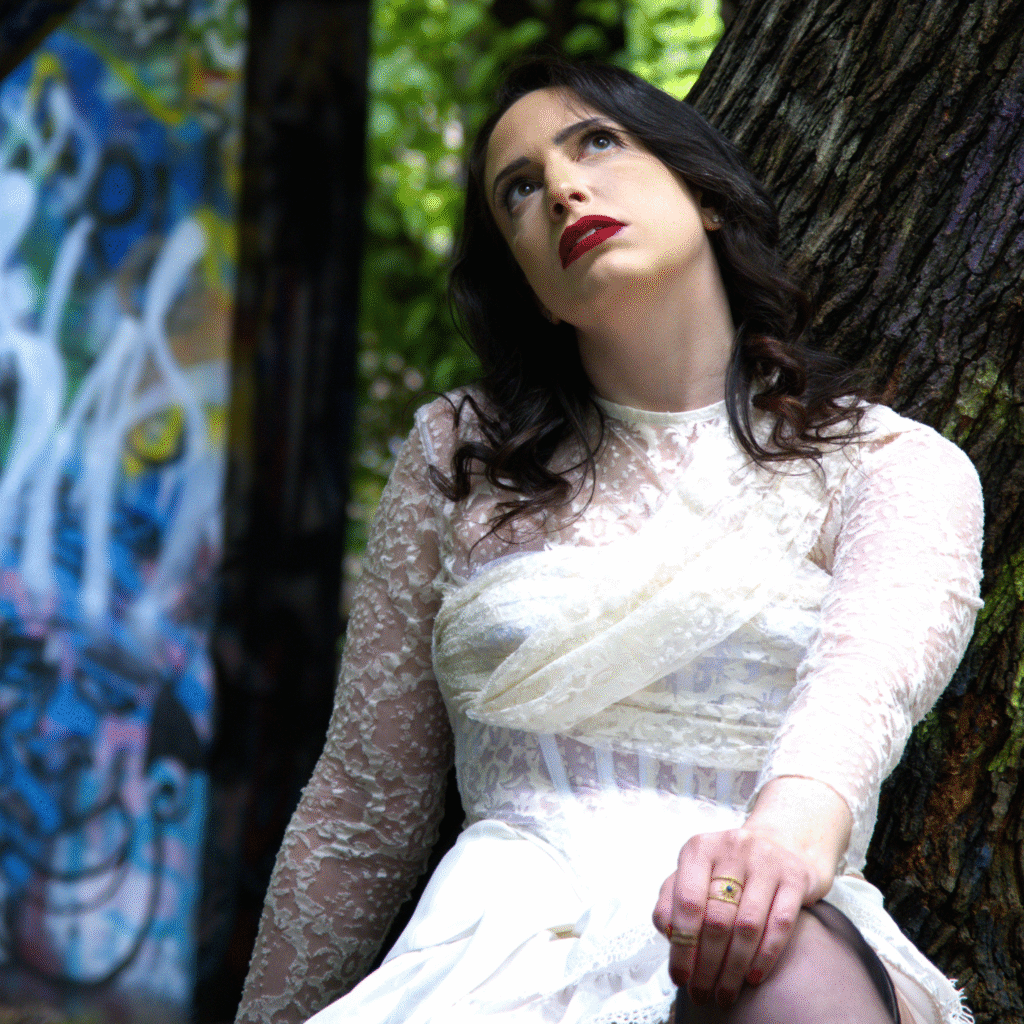
Her second collection, Gifted, widens the frame. If And My Blood Sang examines the intimate aftermath of trauma and survival, Gifted turns toward the social standards and hidden burdens that shape daily life, especially for women. Brown-Jackson writes about freedom not as a decorative idea, but as a struggle against inherited roles, silent expectations, and the invisible labor that so often goes unnamed.
This gives her work both emotional and cultural force. Maia Brown-Jackson poetry can move from destroyed love to enamored love, from cavities to calls to raise hell, from grief to humor, and from private memory to collective reckoning. That range is not random. It reflects a writer who sees life as indivisible. The body, the political imagination, the household, the heart, the joke, the wound, and the moral question all belong in the same artistic field.
Brown-Jackson’s Substack extends that field. It is part newsletter, part creative commons, part open door. There, she writes for people who feel too much and have not mastered the performance of indifference. She writes for artists who have been creating since childhood, and for those who have only recently picked up a pencil and feel late to a race they do not understand. She writes for people who publish not for applause, but for connection.
One of the clearest statements of her creative purpose appears in the simple phrase, “I have felt this. Have you?” That question is the center of her practice. It turns literature into a conversation without reducing it to confession. It invites response. It also resists the isolating mood of an age that often rewards irony over sincerity and detachment over concern.
For Brown-Jackson, writing is not a retreat from the world. It is one of the ways she enters it. Her website describes a belief in broad but reachable efforts to change the world, especially through action and altruism. One cause highlighted in her public work is the Yuva Organization for Children’s Rights, which grew from efforts to support children through education after the 2014 attack on Duhola Village in Sinjar. Brown-Jackson’s attention to that work reflects the same instinct present in her poetry: to look directly at harm, then search for what can be built in response.
Why Maia Brown-Jackson Poetry Feels Different
The word “raw” is often overused in literary praise, but with Brown-Jackson it fits. Her writing is raw because it trusts emotional exposure. It is open because it does not hide behind fashionable distance. It is honest because it risks discomfort in pursuit of recognition. This is not poetry that asks to be admired from across the room. It asks to be met.
That difference is especially clear in the way Brown-Jackson approaches subjects that can easily become cliché. Love, for example, is not limited to romance or sentiment. It appears as hunger, loss, devotion, confusion, and force. Anger is not a flaw to be managed away. It is sometimes a moral response. Healing is not a clean arc. It is a hard, strange process, full of reversals and small victories. Even beauty arrives with grit under its nails.
Her voice also resists the pressure to become easily marketable. Brown-Jackson has described her own poetry as “totally-not-on-trend,” a phrase that suggests both humor and defiance. In a literary culture often shaped by algorithms, trends, and quick summaries, that refusal matters. Her work insists that poems can still be unruly. They can still be too intense, too tender, too angry, too strange, too alive.
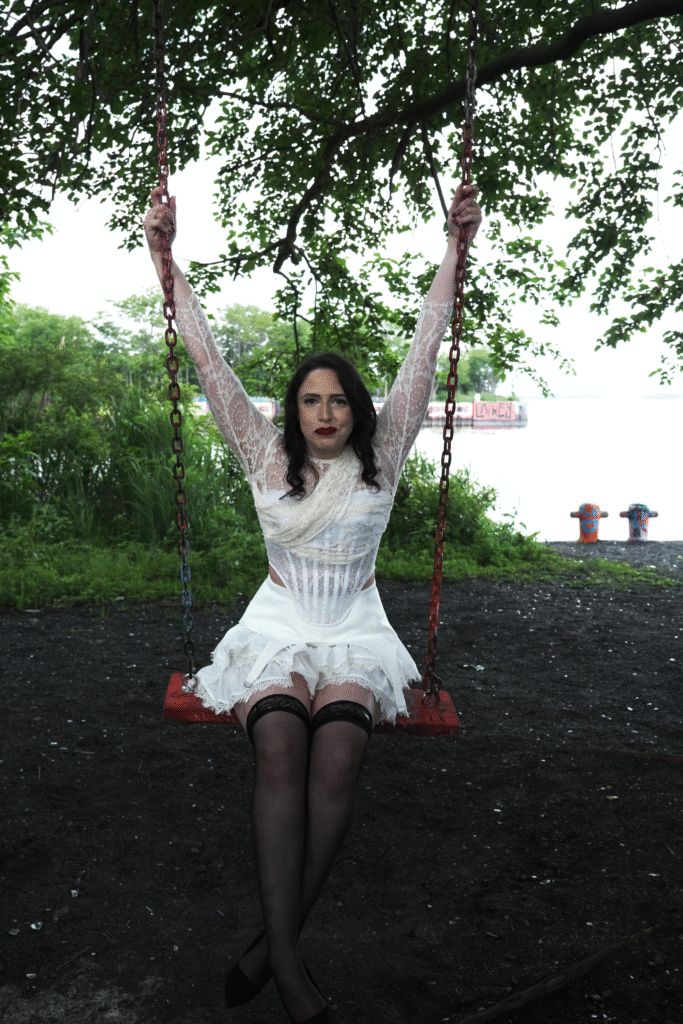
The result is a body of work that gives readers permission to stop performing composure. Many people live with feelings they rarely see reflected with force or precision. Brown-Jackson’s poems make space for those feelings without flattening them into slogans. They do not say that everything is fine. They say that everything is not fine, and still, language can gather us. Still, a poem can become a flare.
Her recognition also signals that this voice is reaching beyond a private circle. A Pushcart nomination places her work in conversation with a respected literary tradition that honors small press and independent writing. The Prime 53 Poem Summer Challenge win adds another public marker of craft. Awards do not create the value of the poems, but they do confirm that readers and literary communities are noticing the force of her work.
What makes Brown-Jackson compelling now is not only what she has published, but the artistic position she occupies. She writes at the intersection of tenderness and refusal. She speaks to people who remain idealistic after disappointment, who still want connection, who still believe that attention can be a form of care. In that sense, Maia Brown-Jackson poetry is not merely about pain. It is about the astonishing fact that people continue after pain, and sometimes continue loudly.
For readers who are tired of guarded language, Brown-Jackson offers something braver. For emerging artists who feel behind, she offers kinship. For survivors who distrust tidy stories of healing, she offers a voice that does not rush the ending. Her poems do not promise escape from complexity. They offer companionship inside it, which may be more useful.
To read Maia Brown-Jackson is to encounter a writer who believes the page can still matter. It can hold fury without apology. It can honor softness without embarrassment. It can ask difficult questions and wait for an honest answer. Begin with And My Blood Sang if you want a collection that confronts trauma and recovery without flinching. Turn to Gifted if you want poems that challenge the social scripts people inherit and carry. Then follow her ongoing work, where the conversation continues, alive with attention, conviction, and the dangerous hope that words can still reach someone at the exact moment they need them.
Explore More About Maia Brown-Jackson
Connect with Maia Brown-Jackson, maiabrown-jacksonwriting.com, her Substack, and Instagram.
Women’s Insider Contributor
Lauren E. Whitman
Lauren E. Whitman covers women in business, lifestyle trends, and personal growth. Her work focuses on practical insights that help readers navigate modern careers and everyday life.
This article features partner, contributor, or branded content from a third party. Members of the Women’s Insider editorial staff were not involved in the creation of this content. All views and opinions are those of the contributor alone.
Related Posts
The Ivory Bloom Bar Elevates Raleigh Events With a Creative Mobile Floral Experience

She Couldn’t Find the Prenatal Massage She Needed in Dubai, So She Built It
Jamison Kaufman Rediscovers The Art Of Storytelling Through Color, Light, And Everyday Beauty
Marc Denys And Pearl Project Music® Turn Women Empowerment Into A Soundtrack Of Courage And Unity
Why Women’s Health Should Include Sleep, Stress, Mobility, and Mental Well-Being, Not Just Routine Checkups