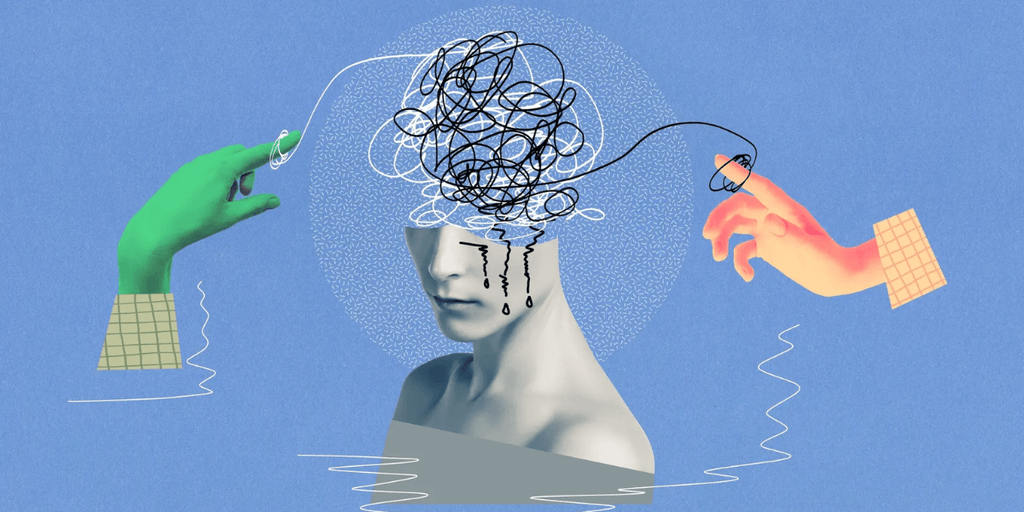
Women's health goes beyond checkups, with sleep, stress, mobility, and mental well-being playing vital roles in everyday health.
You might attend regular health checkups, follow your doctor's advice, and still struggle with constant tiredness, poor sleep, or emotional exhaustion. These problems often affect your daily life long before your next scheduled appointment. Routine screenings help identify important health risks, but they don't always explain how you're feeling or functioning each day.
Your sleep quality, stress levels, physical movement, and mental health all shape your overall well-being, so they're worth checking in on regularly. Paying attention to these areas helps you spot concerns that routine tests might miss. Below are five reasons women's healthcare should look more closely at your everyday health needs.
Sleep Problems Affect Your Physical and Mental Health
Getting enough sleep matters for your energy, concentration, immune function, and overall health. However, many women struggle with interrupted sleep due to work schedules, family responsibilities, hormonal changes, or existing health conditions. You might spend eight hours in bed and still wake up feeling exhausted because your sleep was frequently interrupted.
Poor sleep becomes especially concerning when it continues for weeks. You might notice difficulty concentrating, increased irritability, or trouble completing everyday tasks. Sleep problems sometimes occur during pregnancy and menopause, while conditions such as sleep apnea cause repeated breathing interruptions that disturb sleep. These problems deserve medical attention instead of being dismissed as ordinary tiredness.
Most adults need at least seven hours of sleep each night. Maintaining consistent sleeping hours, limiting caffeine later in the day, and keeping your bedroom comfortable are useful starting points. If you're regularly waking up tired, snoring loudly, or struggling to stay awake during the day, discuss these symptoms with your healthcare provider. They might recommend further evaluation to identify what's affecting your sleep.
Your bedding is part of that comfort, especially if hormonal changes leave you waking up hot or sweaty. “Night sweats and hot flashes are one of the most common reasons women start rethinking their bedding. Fabrics that trap heat make every warm spell feel worse, while natural fibers such as linen let air move and dry faster. Layering a lighter sheet with a blanket you can push aside is a simple way to adjust through the night without fully waking up,” explains Guillaume DREW, CEO at Orezon.
Long-Term Stress Affects More Than Your Mood
Managing a career, household responsibilities, finances, and family needs creates pressure that sometimes becomes part of your everyday routine. When you're constantly dealing with these demands, recognizing how much stress you're experiencing becomes difficult. You might consider headaches, muscle tension, or frequent tiredness normal because you've been experiencing them for so long.
Long-term stress affects both physical and emotional health. It contributes to sleep difficulties, digestive problems, irritability, and difficulty concentrating. For some women, ongoing pressure makes existing anxiety or depression harder to manage. Stress is worth raising during healthcare appointments, particularly when symptoms begin affecting your relationships, work, or ability to complete daily activities.
Start by identifying responsibilities that regularly leave you feeling overwhelmed. Setting realistic boundaries, sharing household tasks, and making time for activities you enjoy help reduce everyday pressure. However, personal habits won't resolve every source of stress, especially when you're facing financial difficulties or demanding caregiving responsibilities.
Some coping habits also creep in without much notice. A nightly glass of wine or a sleep aid to switch off can feel harmless at first, especially when the pressure never seems to ease.
According to Hannah Jenkins, Treatment Access Specialist at GreenRehabs, “Women often carry stress quietly for years and only reach out once a coping habit has started to take over. Many put off asking for help because they worry about who will handle work, children, or aging parents while they focus on themselves. Treatment options are more flexible than most people expect, and starting the conversation early usually makes recovery easier.”
Mobility and Physical Strength Matter at Every Age
Your ability to move comfortably affects how you handle daily activities, from climbing stairs to carrying groceries and getting up from a chair. Yet physical movement often receives less attention during routine appointments unless you're already experiencing an injury or significant pain. Waiting until movement becomes difficult leaves less opportunity to address problems early.
Regular physical activity helps maintain muscle strength, balance, joint function, and bone health. These benefits become particularly important as women age because bone loss increases after menopause.
Maintaining strength supports everyday independence and reduces some of the physical difficulties associated with aging. Persistent stiffness, joint pain, or difficulty walking deserves assessment instead of being treated as an unavoidable part of getting older.
Dr Adrian Lau, from Hip & Knee Orthopaedics, shares that many women wait too long to have joint pain checked. “A lot of patients put up with knee or hip pain for years, assuming it's just age or something to push through for the family,” he says. “By the time they come in, they've often stopped walking as much, and the muscles that support the joint have weakened. Getting pain assessed early keeps more options open, and staying active is usually part of the treatment.”
You don't need an intense exercise schedule to work on your mobility. Walking, swimming, gentle stretching, and suitable strength exercises offer practical ways to stay active. Adults are generally advised to aim for 150 minutes of moderate physical activity weekly, along with muscle-strengthening activities on two days.
Changes in your joints don't always start with pain. Stiff fingers in the morning, swollen knuckles, or rings that suddenly feel tight are small signs worth mentioning at your next appointment.
“Finger size isn't as fixed as people think. It shifts with heat, pregnancy, weight changes, and joint swelling as we get older, and many women first notice it when a ring that fits for years won't slide past the knuckle. That's usually a cue to pay attention to your hands, not just to get the ring resized,” notes Daniyal Shaikh, AI Designer & Developer at Virtual Ring Try On.
Your Healthcare Needs Develop Throughout Different Stages of Life
Your health needs at 25 won't necessarily match your needs at 45 or 65. Menstrual health, pregnancy, recovery after childbirth, menopause, and aging bring different concerns that need the right medical care. A routine appointment focused mainly on standard screenings might leave important symptoms unexplored, especially when they don't appear directly connected to the reason for your visit.
For example, heavy menstrual bleeding sometimes contributes to iron deficiency and persistent fatigue. During perimenopause, you might experience night sweats, irregular periods, or sleep difficulties. As you grow older, maintaining bone health and physical strength becomes increasingly important. These concerns require individual assessment because similar symptoms sometimes have different underlying causes.
Food can help support your iron levels, although persistent fatigue or heavy bleeding still needs a medical check.
Eran Mizrahi, CEO & Founder of Pacific86, points out that iron-rich eating is easier than many people assume. “It doesn't have to mean red meat every night. Plenty of Asian pantry staples, such as tofu, leafy greens like bok choy, sesame, and the lentils used in dal, add iron to everyday meals. Pairing them with vitamin C foods like citrus or peppers helps your body absorb more of it. Small, steady changes to what's in the pantry tend to last longer than strict diets.”
Keep a record of symptoms that repeatedly affect your daily routine, including when they started and whether their severity has increased. Bring this information to appointments and ask questions about changes you don't understand.
Changing needs show up in everyday choices too, including what you wear. Clothes that felt fine at 25 might feel restrictive during pregnancy or uncomfortable during hot flashes.
Experts from Lashkaraa.com, saree specialists, recommend letting comfort lead as your body changes. “Draped clothing adapts to a changing body better than most outfits, which is why many women keep wearing it through pregnancy and after childbirth. Lightweight cotton, georgette, or chiffon is easier to wear for long hours than heavy silk, and a looser blouse fit makes a real difference. During menopause, breathable fabrics can make hot flashes easier to handle.”
Women’s Insider Contributor
Emily R. Parker
Emily R. Parker is a lifestyle and business writer with a focus on wellness, career development, and modern leadership. Her articles highlight real-world strategies for women balancing ambition and well-being.
This article features partner, contributor, or branded content from a third party. Members of the Women’s Insider editorial staff were not involved in the creation of this content. All views and opinions are those of the contributor alone.
Related Posts

AskSAMIE Makes Accessibility Guidance Easy To Find
Nurturing Two Dreams: How Motherhood Helped Shape TWELVITA
From Abuja To London: How Kandé Is Redefining Contemporary African Modest Luxury
Your Next Choice Matters: How Lifting Your Life Coaching Is Redefining Lasting Change

Glow From Within: How Vedari And Its First Product, Unveil, Are Bringing Simplicity Back To Skincare