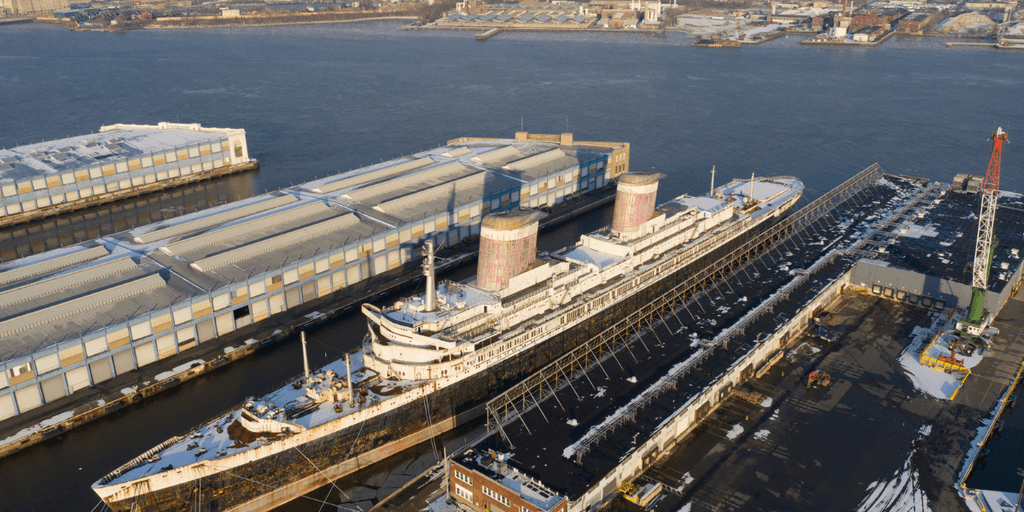
The historic SS United States has sunk off Florida's Gulf Coast, opening a new chapter for marine research, diving tourism, and ocean conservation.
A ship that once represented American engineering and maritime ambition has reached an extraordinary final destination. On November 11, 2026, the historic SS United States disappeared beneath the waters of the Gulf of Mexico off Florida's coast. However, this was not an ordinary shipwreck. The nearly 1,000-foot ocean liner was deliberately sunk in a carefully planned operation to create what is expected to become the world's largest artificial reef.
The operation took place approximately 22 nautical miles off Destin, Florida. After spending decades out of service, the vessel is beginning a new chapter beneath the sea. Its transformation brings together maritime history, environmental research, tourism, and efforts to create new habitats for marine life. According to reporting by the Associated Press, the controlled sinking took several hours before the historic vessel finally settled on the ocean floor.
A Legendary Ship With a Remarkable History
The SS United States first entered service in 1952 and quickly established itself as one of the most remarkable passenger ships of its era. Designed by American naval architect William Francis Gibbs, the vessel combined speed, engineering innovation, and luxury.
During its maiden voyage across the Atlantic, the ship established a transatlantic speed record for an ocean liner. That record remains unbroken by a passenger liner today.
The vessel also carried an impressive range of passengers during its years of operation, including American presidents, international celebrities, and prominent public figures. Its reputation extended beyond commercial travel because its advanced design reflected the engineering ambitions of the United States during the postwar period.
However, changes in international travel eventually affected the ocean liner industry. Commercial aviation became faster and more convenient, reducing demand for long-distance passenger voyages by ship.
The SS United States was retired in 1969. Afterward, it spent decades facing an uncertain future, including years docked in Philadelphia. Despite preservation efforts, maintaining the enormous vessel proved difficult and expensive.
From Maritime Landmark to Artificial Reef
The decision to transform the ship into an artificial reef offered an alternative to dismantling it for scrap.
Okaloosa County in Florida acquired the vessel through an agreement with the SS United States Conservancy. The project aimed to give the historic liner a new purpose while supporting the county's established artificial reef program.
Preparing a vessel of this size for underwater deployment required extensive work. Crews removed materials and components that could pose environmental concerns. They also modified sections of the ship to allow seawater to enter in a controlled manner.
The sinking did not involve explosives. Instead, the operation relied on carefully managed flooding procedures that allowed the ship to descend gradually.
The Florida Fish and Wildlife Conservation Commission confirmed its involvement in the November 11 operation, working alongside Okaloosa County, the U.S. Coast Guard, and other partner agencies.
The completed project represents a major undertaking in marine infrastructure and the preservation of maritime history.
Why Artificial Reefs Matter for Marine Life
Artificial reefs provide underwater structures where marine organisms can settle, feed, and find shelter.
Natural reefs are important ecosystems, but suitable habitats are not evenly distributed across coastal waters. Artificial structures can introduce additional surfaces for marine organisms to colonize.
As algae, corals, sponges, and other organisms establish themselves, these structures may attract fish and other marine species. Over time, a developing reef can become part of a wider underwater ecosystem.
The SS United States presents a particularly interesting opportunity because of its enormous size and complex structure.
Researchers from the Woods Hole Oceanographic Institution are preparing to study how marine organisms colonize the vessel and how an underwater biological community develops.
According to the institution's November 11 research announcement, the site will provide an opportunity to observe ecological changes from the beginning of the reef's development.
The research could contribute to a better understanding of artificial reef ecosystems and how large underwater structures interact with marine environments.
However, scientists will need time to evaluate the results. The presence of a new structure does not automatically guarantee a healthy or sustainable ecosystem.
Florida Anticipates New Opportunities for Coastal Tourism
Beyond its environmental and historical significance, the project could strengthen tourism in Florida's Panhandle.
Destin and surrounding coastal communities already attract visitors interested in beaches, fishing, boating, and recreational diving. The addition of the SS United States creates another attraction for experienced divers and maritime enthusiasts.
The vessel's size and history make it particularly distinctive. Its underwater location is expected to offer visitors an experience unlike conventional recreational diving sites.
According to NPR's reporting on the project, local tourism officials anticipate that visitors will support hotels, restaurants, equipment providers, and other businesses.
The project also builds on Florida's long history of artificial reef development. The state has established thousands of artificial reef sites, making underwater recreation an important part of several coastal economies.
Nevertheless, the long-term economic benefits will depend on visitor demand, responsible tourism practices, and the successful development of the reef.
A New Chapter for American Maritime Heritage
For maritime historians and preservation supporters, the sinking represents a complicated moment. The SS United States was once a symbol of technological achievement, and its retirement left questions about how such an important vessel could be preserved.
Its transformation into an artificial reef does not preserve the ship in its original form. Instead, it gives the structure a different purpose that connects history with marine research and recreation.
The vessel's story now extends beyond its record-breaking voyages. Its new role could help researchers understand marine ecosystems while providing future generations of divers with an opportunity to explore an important piece of American maritime history.
The SS United States has completed its final voyage above the water. Beneath the Gulf of Mexico, however, its next chapter has only just begun.
Women’s Insider Contributor
Emily R. Parker
Emily R. Parker is a lifestyle and business writer with a focus on wellness, career development, and modern leadership. Her articles highlight real-world strategies for women balancing ambition and well-being.
This article features partner, contributor, or branded content from a third party. Members of the Women’s Insider editorial staff were not involved in the creation of this content. All views and opinions are those of the contributor alone.
Related Posts

European Skin Academy: Bringing The Art Of Hungarian Facials To A New Generation

How Lindsay Kazarick Turned Appalachian Community Experience Into Cairnwire Creative

Beyond Beauty: Dr. Tali Arviv Redefines Women's Wellness

U.S. Loses Measles Elimination Status After 26 Years

Everwild Apothecary Launches Its Respiratory System