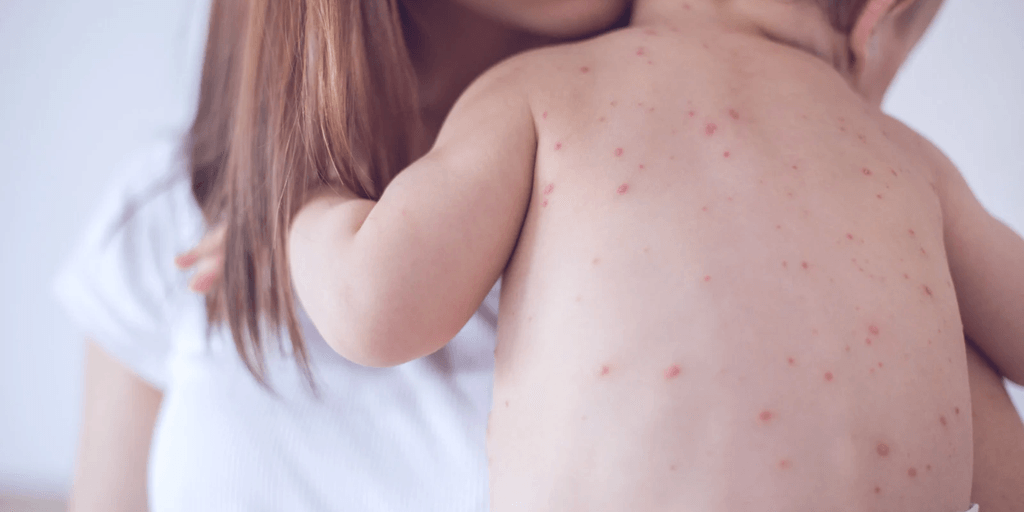
The United States has officially lost its measles elimination status, raising renewed concerns about vaccination coverage, public health preparedness, and community protection.
For more than two decades, the United States maintained an important public health achievement: measles elimination. However, that milestone has now been reversed. On November 17, 2026, the Pan American Health Organization (PAHO) officially announced that the country had lost its measles elimination status after the virus continued spreading domestically for more than 12 consecutive months. The announcement has renewed national attention on childhood vaccination, disease surveillance, and the importance of maintaining strong public health systems.
The decision represents a significant moment for American healthcare. Although measles cases have occurred in the country since elimination was first achieved in 2000, health authorities had previously managed to interrupt sustained domestic transmission. The latest development means that the same virus lineage has continued circulating within the United States long enough to meet the international criteria for reestablished endemic transmission.
Why the United States Lost Its Measles Elimination Status
According to PAHO, the decision followed a formal review conducted by its independent Measles and Rubella Elimination Regional Monitoring and Reverification Commission between November 10 and November 13.
The commission examined epidemiological information, laboratory findings, and evidence of ongoing transmission across affected countries.
Its review concluded that the United States had experienced an uninterrupted chain of measles transmission involving the same viral genotype and lineage for at least 12 months.
The outbreak began on January 20, 2025. By January 20, 2026, the transmission chain had reached the 12 month threshold required under the regional verification framework.
Mexico and Bolivia also lost their measles elimination status following the review.
Importantly, losing elimination status does not mean that measles has suddenly appeared in the country. Instead, it confirms that public health authorities have been unable to interrupt continuous domestic transmission over the required period.
A Major Change After Decades of Progress
The United States first achieved measles elimination status in 2000 following decades of vaccination programs, disease monitoring, and public health interventions.
The achievement demonstrated how coordinated healthcare efforts could prevent a highly contagious disease from spreading continuously within communities.
Before widespread vaccination, measles was a common childhood illness in the United States. The introduction of routine immunization significantly reduced infections, hospitalizations, and deaths.
However, maintaining elimination requires continued attention. Imported infections can trigger outbreaks when they reach communities with gaps in vaccination coverage.
The Centers for Disease Control and Prevention (CDC) has identified declining childhood vaccination coverage as an important concern.
Its published data show that measles, mumps, and rubella vaccination coverage among kindergarten students declined from 95.2 percent during the 2019 to 2020 school year to 92.7 percent during the 2023 to 2024 school year.
This decline has left some communities more vulnerable to outbreaks, particularly where vaccination coverage is uneven.
Pennsylvania Reports Another Measles Related Death
The public health announcement comes amid serious developments in several American states.
Pennsylvania has experienced one of the country's largest measles outbreaks, with thousands of reported infections during 2026.
On November 18, Pennsylvania reported another measles associated death, bringing the state's reported total to eight for the year, according to health reporting published by STAT.
The development highlights the consequences that prolonged outbreaks can have on families and communities.
Measles is highly contagious and can spread through respiratory particles when an infected person coughs or sneezes. Complications can include pneumonia and inflammation of the brain.
Infants, people with weakened immune systems, and individuals without adequate immunity can face particular risks.
The growing number of cases has placed additional responsibilities on state and local health departments, which must investigate infections, identify possible exposure locations, and coordinate outbreak response activities.
What Public Health Authorities Are Doing
The CDC has confirmed its commitment to supporting efforts to control outbreaks and restore the country's elimination status.
In its November 17 statement, the agency reported that it had provided approximately $100 million in additional funding since August to strengthen measles prevention, surveillance, laboratory capacity, and outbreak response.
The funding includes support for state and local health departments working to identify communities with vaccination gaps and respond quickly to new infections.
The agency is also coordinating with healthcare providers, laboratories, and community organizations to improve disease detection and public communication.
PAHO has emphasized that restoring elimination status will require sustained cooperation between national and regional health authorities.
The experience of other countries demonstrates that losing elimination status does not necessarily mean the achievement cannot be recovered. However, interrupting ongoing transmission requires consistent public health action.
Why Vaccination Coverage Remains Important
One of the most important lessons from the current outbreak is that public health achievements require continued maintenance.
Measles can spread rapidly when it reaches populations with insufficient immunity. Even relatively small gaps in vaccination coverage can create opportunities for outbreaks.
The CDC identifies the measles, mumps, and rubella vaccine as the primary tool for preventing measles infections.
For families, understanding vaccination records and discussing individual health questions with qualified healthcare professionals can help support informed decisions.
Schools, healthcare facilities, and community organizations also play important roles in communicating reliable information and helping families access routine immunization services.
Equally important is ensuring that public health information remains accessible, accurate, and understandable.
A Wake Up Call for American Public Health
The loss of measles elimination status is more than a change in international classification. It reflects a sustained public health challenge that affects families, healthcare providers, schools, and communities throughout the country.
The United States now faces the task of interrupting ongoing transmission and rebuilding the conditions that made measles elimination possible.
For women, parents, caregivers, and families, the development is a reminder of the importance of reliable health information and preventive healthcare.
The country's experience also demonstrates that medical progress is not permanent without continued investment, public awareness, and community participation.
After 26 years of maintaining measles elimination, the United States has reached a difficult turning point. The next challenge will be restoring that achievement and ensuring that future generations benefit from stronger public health protection.
Women’s Insider Contributor
Emily R. Parker
Emily R. Parker is a lifestyle and business writer with a focus on wellness, career development, and modern leadership. Her articles highlight real-world strategies for women balancing ambition and well-being.
This article features partner, contributor, or branded content from a third party. Members of the Women’s Insider editorial staff were not involved in the creation of this content. All views and opinions are those of the contributor alone.
Related Posts

European Skin Academy: Bringing The Art Of Hungarian Facials To A New Generation
How Lindsay Kazarick Turned Appalachian Community Experience Into Cairnwire Creative
Beyond Beauty: Dr. Tali Arviv Redefines Women's Wellness
Everwild Apothecary Launches Its Respiratory System

How 22-Year-Old Rylie Vaughn Is Changing the Future of Main Street Business Brokerage