Women’s health and wellness initiatives are receiving renewed attention across the United States in May 2026 as healthcare organizations, employers, and advocacy groups continue expanding programs focused on preventive care, mental wellbeing, and long-term health education for women of all ages.
Several national organizations this month have launched campaigns encouraging women to prioritize regular health screenings, stress management, and lifestyle-based wellness practices amid growing concerns about burnout, chronic illness, and mental fatigue. Health leaders say the increased focus reflects broader recognition that preventive care and wellness education can play a major role in improving long-term quality of life.
One of the most visible developments is the continued expansion of women-centered wellness programs connected to major leadership and lifestyle events taking place across the country. At The New Guard Summit in Massachusetts, wellness experts and healthcare professionals joined business leaders to discuss how women can better balance demanding careers with physical and emotional wellbeing. Sessions at the event included discussions about stress reduction, sleep health, nutrition, and preventative healthcare planning.
Healthcare professionals participating in these conversations emphasized that many women continue to delay medical care or wellness checkups because of work responsibilities, caregiving duties, or financial pressures. According to experts speaking at recent wellness conferences, improving awareness around preventive care remains one of the most important public health priorities for women in 2026.
The U.S. Department of Health and Human Services Office on Women’s Health has also continued promoting educational initiatives focused on heart health, mental wellness, physical activity, and healthy aging. Public health officials note that preventive screenings and consistent wellness habits can help reduce long-term health risks while improving overall wellbeing.
Mental wellness has become a particularly important topic this year. Across industries, employers and wellness advocates are increasing discussions around workplace stress, emotional exhaustion, and the need for healthier work-life balance. Experts say women professionals are increasingly seeking practical strategies to manage stress while maintaining career growth and family responsibilities.
The Global Wellness Summit recently identified women’s longevity and mental wellness as two of the most significant wellness trends shaping 2026. Industry researchers reported growing consumer demand for services focused on healthy aging, mindfulness, hormone health, recovery, and preventative wellness practices.
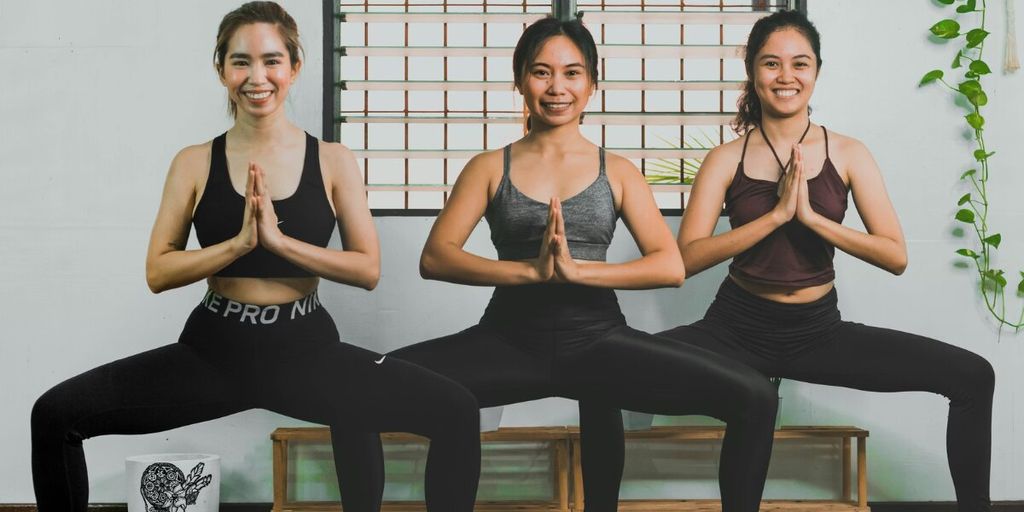
Fitness and lifestyle communities are also adapting to this shift. Wellness studios, fitness brands, and healthcare providers are introducing more personalized programs designed to support women at different stages of life. Many organizations are emphasizing sustainable health habits rather than short-term wellness trends, encouraging women to focus on long-term consistency in nutrition, movement, and emotional care.
At the same time, conversations about aging and confidence are becoming more visible in media and lifestyle spaces. Earlier this month, nonprofit organization Great Age Movement hosted a public event in Houston celebrating active aging and wellness among older women. The program featured community discussions and a fashion presentation designed to encourage positive conversations around aging, health, and self-confidence.
Organizers said the initiative was created to help challenge stereotypes around aging while encouraging women to remain engaged in social, physical, and creative activities throughout later stages of life. Health experts increasingly describe social connection and community involvement as important components of long-term wellness.
Beauty and skincare industries are also responding to changing consumer priorities. Many brands in 2026 are shifting messaging toward wellness-focused skincare, self-care routines, and healthy lifestyle integration instead of unrealistic beauty standards. Analysts say consumers are increasingly drawn to products and campaigns that promote authenticity, balance, and overall wellbeing.
Nutrition experts continue encouraging women to focus on balanced eating habits and preventative wellness strategies rather than restrictive trends. Public health organizations have noted growing interest in holistic wellness approaches that combine healthy nutrition, exercise, emotional wellbeing, and quality sleep.
Meanwhile, workplace wellness remains a major topic among employers. More companies are introducing flexible scheduling, wellness stipends, mental health resources, and supportive workplace policies aimed at improving employee wellbeing and retention. Human resources analysts say these changes are partly driven by growing awareness that employee health and productivity are closely connected.
Women’s wellness advocates believe these ongoing initiatives represent a broader cultural shift in how health is discussed and prioritized. Rather than focusing solely on treatment after illness develops, more organizations are emphasizing proactive care, education, and sustainable daily habits.
Experts say this shift could have lasting effects on how future generations approach health and wellness. Increased access to educational resources, community support programs, and wellness-centered professional spaces may help more women make informed decisions about their physical and emotional wellbeing.
As wellness conversations continue expanding across healthcare, business, and lifestyle industries, many advocates hope the momentum seen in 2026 will encourage long-term improvements in women’s health awareness and support systems nationwide.
Women’s Insider Contributor
Lauren E. Whitman
Lauren E. Whitman covers women in business, lifestyle trends, and personal growth. Her work focuses on practical insights that help readers navigate modern careers and everyday life.
This article features partner, contributor, or branded content from a third party. Members of the Women’s Insider editorial staff were not involved in the creation of this content. All views and opinions are those of the contributor alone.