Why losing weight after menopause requires understanding your body, not another restrictive diet.
"I eat less than I used to, I try to stay active, but since menopause, I cannot seem to lose weight anymore. What am I doing wrong?" Mirko Colombo has heard this question countless times. After more than twenty years in weight management and preventive nutrition, he believes it deserves a far more thoughtful answer than another diet.
Many women between forty-five and sixty-five describe a remarkably similar experience. The strategies that once kept their weight stable no longer seem to work. Abdominal fat accumulates, muscle tone declines, sleep becomes disrupted, and fatigue lingers. What makes this so frustrating is that these women are often disciplined, accomplished, and accustomed to taking responsibility for their health. Yet they are left believing they simply lack willpower.
Colombo wants to challenge that belief.
Why Menopause Changes the Conversation
Menopause is not simply a reproductive milestone. It is a significant physiological transition that can influence body composition, fat distribution, sleep, muscle mass, and metabolic regulation. Declining estrogen levels are associated with a tendency toward greater abdominal fat accumulation. At the same time, age-related reductions in muscle mass, changes in physical activity, disrupted sleep, and daily stress can further complicate weight management.
These changes do not make weight loss impossible. They do, however, mean that the approach a woman relied upon at thirty-five may no longer be the most appropriate at fifty-five.
"One of the biggest mistakes we make when discussing weight loss after menopause is assuming that every woman simply needs to eat less and exercise more," Colombo explains. "Before recommending another diet, we need to understand what has changed in her body, her health, and her lifestyle."
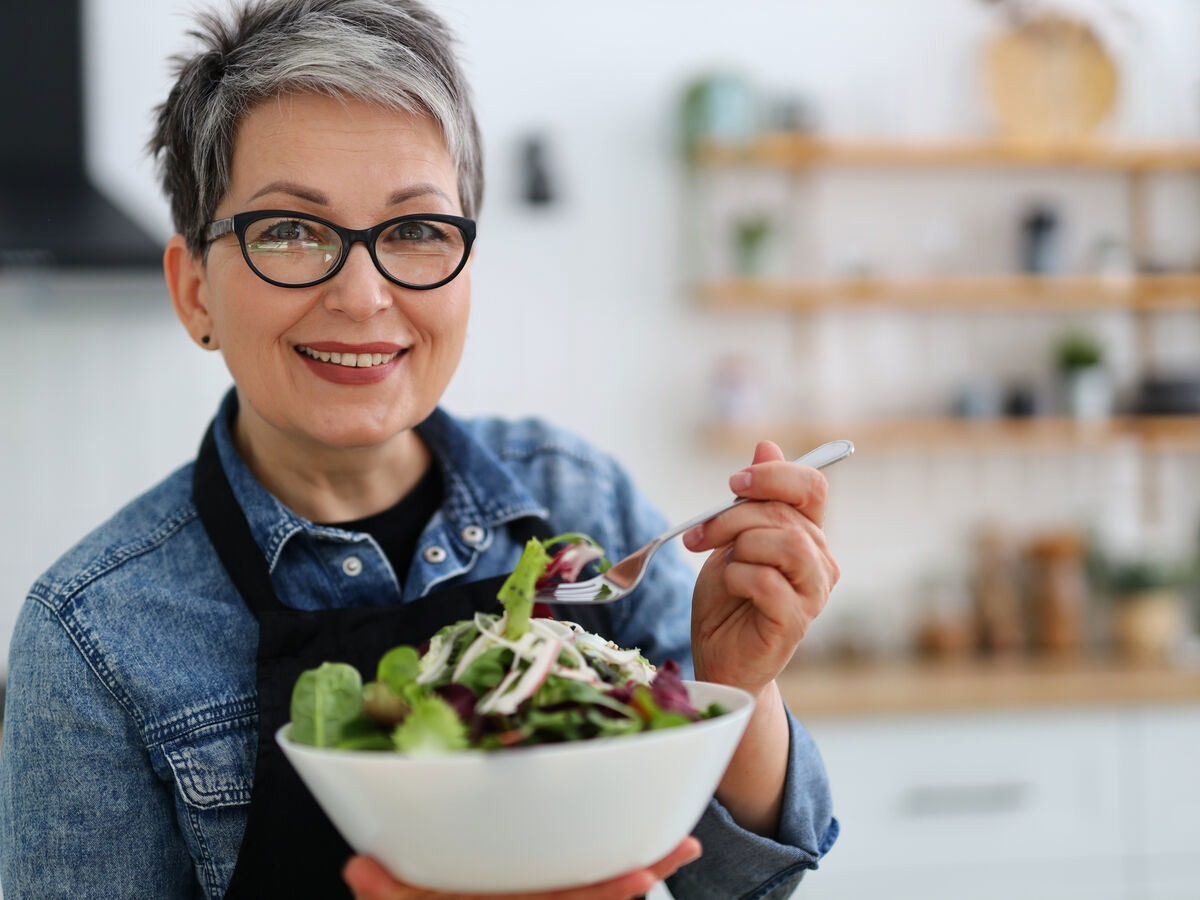
This is the central idea behind the Colombo Method, a Swiss personalized health and nutrition coaching system. Rather than treating weight gain as an isolated problem, it considers the broader biological context in which that gain occurs.
A Different Starting Point
Most weight-loss programs begin by prescribing a diet. The Colombo Method begins by asking a different question entirely.
"Traditional weight-loss programs often begin by prescribing a diet. The Colombo Method begins by asking: why is this particular woman struggling to lose weight?" Colombo says. "Understanding the individual is the foundation of a more effective and sustainable strategy."
The process starts with a comprehensive assessment of each woman's medical and lifestyle history, nutritional habits, metabolic health, and personal goals. When appropriate, this may include advanced blood biomarker analysis, evaluation of nutritional status, body composition measurement, and selected investigations of gastrointestinal health, including microbiome testing. These assessments are not performed indiscriminately. They are selected according to individual needs and their relevance to building a personalized strategy.
From there, the Method integrates individualized nutrition, appropriate protein intake, resistance training to preserve muscle, sleep optimization, stress management, and continuous coaching. Two women of the same age, with similar weight and identical goals, may still require very different strategies because their physiological profiles are not the same.
"Menopause does not mean that a woman's metabolism has stopped working," Colombo notes. "It means that important physiological changes may require a different approach to nutrition, physical activity, and weight management. The strategy that worked at 35 may no longer be the most appropriate at 55."
Looking Beyond the Scale
For Colombo, successful weight management after menopause should never be measured by a single number. Calorie balance remains essential, but it does not tell the whole story. Two women may eat similar diets and weigh the same while differing considerably in muscle mass, metabolic health, sleep quality, and nutritional needs.
"After menopause, the goal should not simply be to weigh less," he says. "It should be to reduce excess body fat while preserving muscle mass, physical strength, metabolic health, and energy. These are the foundations of sustainable results."
This focus on preserving strength, reducing abdominal fat, and improving everyday energy reflects a philosophy built for the long term. The Method avoids rapid transformations and temporary restrictions in favor of changes a woman can maintain through her circumstances, age, and health profile.
The Story Behind the Method
Colombo's passion for preventive health began long before he founded his Method. Growing up, he watched his father struggle with significant excess weight while dedicating much of his life to professional responsibilities. That experience showed him how easily people sacrifice their health while focusing on work and family.
He pursued a career in physical training and wellness, including consulting work in prestigious hotels in Switzerland's Engadin region. There he noticed something that shaped his philosophy: the people who achieved the most sustainable transformations were rarely those who exercised the hardest. They were those who also addressed nutrition, recovery, and lifestyle habits.
At thirty-five, Colombo faced a personal autoimmune health challenge. That period motivated him to deepen his study of preventive nutrition, intestinal health, immune function, and the gut microbiome. These personal and professional experiences gradually came together into an integrated approach to health coaching, refined over more than two decades of work with thousands of individuals.
Today the methodology is delivered through a structured team of nutrition professionals and health coaches, with personalized consultations available in Lugano, Zurich, and the St. Moritz and Engadin region, as well as through online programs.
Colombo has also received international recognition for his work. He accepted a leadership recognition at the Health 2.0 Conference in Dubai in 2024, was recognized for his professional and organizational approach at an international event in Las Vegas in 2025, and was named "Best Weight Loss Specialist in Switzerland of 2025" by the Evergreen Awards. He is a member of the Swiss Society of Anti-Aging Medicine and Prevention. Yet he is clear that these milestones matter less than the opportunity to change how women approach their health.
The Message Colombo Wants Women to Hear
His guidance for women over fifty is refreshingly direct. If losing weight has become more difficult during or after menopause, the solution is not necessarily to eat even less, exercise harder, or follow another restrictive diet. It may instead be time to understand what has changed physiologically and adapt accordingly.
"My message to women over 50 is simple," he says. "If the strategies you have always followed are no longer working, the answer is not necessarily to become more restrictive. It may be time to understand your body differently. The right approach should adapt to the woman, not force every woman to adapt to the same diet."
Menopause should not be viewed as the point at which women must accept unwanted weight gain or persistent frustration. With appropriate assessment, evidence-informed nutrition, resistance training, adequate recovery, and personalized guidance, many women can improve their body composition, metabolic health, strength, and confidence.
If you are a woman navigating these changes and feel your usual strategies no longer deliver, consider a different conversation about your health. Explore the personalized Swiss approach of the Colombo Method, learn how a comprehensive assessment works, and discover how understanding your body can replace years of frustration with sustainable, informed results.
Explore More About the Colombo Method
Connect with Colombo Personal Health Coaching and Mirko Colombo.
Women’s Insider Contributor
Emily R. Parker
Emily R. Parker is a lifestyle and business writer with a focus on wellness, career development, and modern leadership. Her articles highlight real-world strategies for women balancing ambition and well-being.
This article features partner, contributor, or branded content from a third party. Members of the Women’s Insider editorial staff were not involved in the creation of this content. All views and opinions are those of the contributor alone.
Related Posts
Margarita Monet: Never Surrender Your Mind
Desert Roots Wellness Offers Practical Blueprints for High Achieving Women
The Ivory Bloom Bar Elevates Raleigh Events With a Creative Mobile Floral Experience
She Couldn’t Find the Prenatal Massage She Needed in Dubai, So She Built It
Jamison Kaufman Rediscovers The Art Of Storytelling Through Color, Light, And Everyday Beauty