



The Still I Heal Project gives language to childhood emotional abuse and complex trauma.
A child can learn fear in a quiet room. There may be no shouting, no visible injury, and no dramatic scene anyone else remembers. Yet something inside the child begins to organize their existence around survival. They study moods. They shrink their needs. They become experts in silence. This is where Dr. Angela Solic begins the conversation about childhood emotional abuse, not with spectacle, but with the painful truth that some harm is overlooked because it leaves no bruise for the world to see, no physical indication that abuse has occurred, but occurred it has.
Childhood Emotional Abuse And The Harm People Miss
“Not all abuse leaves bruises. Some of the most damaging childhood experiences are the ones no one names.” For Dr. Solic, founder of The Still I Heal Project, that sentence is more than a message. It is a mission. Childhood emotional abuse can include chronic criticism, humiliation, rejection, fear-based control, emotional neglect, blame, instability, or the steady denial of a child’s reality. It can happen in homes that appear ordinary. It can be minimized as strict parenting, family conflict, or personality differences. However, for the child living inside it, the pattern can shape how safety, identity, trust, and worth are understood. It shapes the adults they become because they were forced to survive instead of becoming who they chose to become.
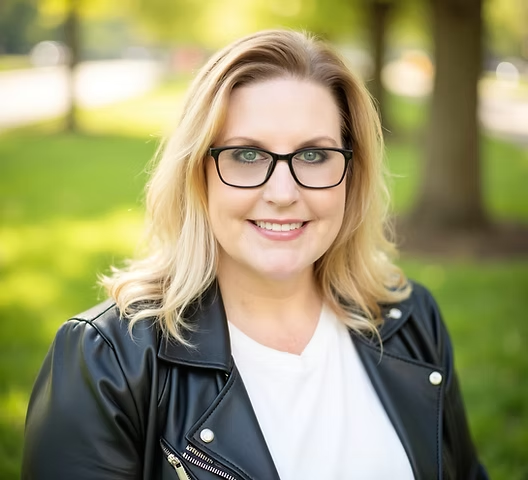
Dr. Solic speaks from a rare intersection of lived experience and scholarly authority. She is a survivor of complex childhood trauma, including emotional abuse, neglect, and instability. She is also a Ph.D.-trained educator with more than 25 years of experience in education, resilience, and personal transformation. Over the course of her career, she has trained thousands of educators around the world in instructional design, innovation, and inclusive practices. Today, she leads the Center for Teaching Excellence and Innovation at Rush University, where her work supports institutional transformation and faculty development.
That dual perspective matters. Many people can tell a story of pain. Many professionals and academics can explain theory. Dr. Solic does both, and she does so with the precision of an educator and the humanity of someone who has had to rebuild from the inside out. She does not present trauma as an abstract concept. She names the moments that many survivors recognize but may not have had words for: being made responsible for an adult’s emotions, being dismissed when hurt, being praised only for performance, or learning that love could disappear without warning. Make no mistake; these behaviors are abusive and create lasting effects on the brains of victims and last long into adulthood.
The Still I Heal Project Begins With Language
The Still I Heal Project was created to make those invisible patterns easier to identify and discuss. It is a community and resource initiative focused on chronic emotional abuse, complex trauma awareness, and the long process of understanding what happened and ultimately, how to choose differently when stuck in survival mode. The project is educational, not therapeutic, and it offers information, reflection, and support for survivors, parents, professionals, and even people who recognize harmful behavior in themselves and want to better understand accountability.
The name itself carries quiet force. Still I Heal suggests movement without pretending that healing is simple or linear. It honors the person who is still learning, still grieving, still questioning, and still choosing a healthier way forward. Through her website, blog, and bi-weekly Instagram posts, Dr. Solic shares resources, personal experiences, and guidance designed to help people build self-awareness and make healthier decisions in relationships. Her work invites people to pause, consider patterns, and recognize that naming harm can be the first step toward change.
Her own life gives weight to that message. Dr. Solic did not move from adversity to achievement through a single dramatic turn. Her transformation was sustained, disciplined, and deeply personal. She put herself through college, earned three degrees, including a doctorate in education, and rose into leadership in higher education. At the same time, she built a stable family life and raised five thriving children, breaking generational patterns that once threatened to define her future.
That is why her story resonates. It is not polished inspiration designed to make hardship seem noble. It is evidence of what can be built when a person refuses to let early harm have the last word. It is proof that childhood survival does not have to define who the adult victims become because awareness allows choice when no choice was considered before. Dr. Solic is careful, direct, and grounded. She does not promise easy answers. Instead, she offers language that helps people understand what they may have lived through and why it may still affect how they see themselves, choose relationships, behave as professionals, act as a parent, or respond to conflict.
Why Dr. Angela Solic’s Voice Matters Now
Childhood emotional abuse often remains hidden because people expect abuse to look obvious. They look for bruises, broken objects, police reports, or public proof. Yet emotional abuse may live in repeated messages that tell a child they are too “something”, not enough “something”, unwanted, unsafe, or responsible for keeping peace. Over time, those messages can become internal beliefs. Survivors may carry guilt they did not earn, anxiety they cannot easily explain, or a hunger for approval that began as a survival skill.
Dr. Solic’s work helps reframe those experiences without shame. She teaches through story, but she also uses the mind of an educator. That distinction shapes everything she creates. Her content is not vague encouragement. It is structured, accessible, and practical. She translates complicated ideas into clear language, helping survivors feel seen and helping parents and professionals recognize patterns that might otherwise be dismissed.
Her forthcoming memoir, Beer In My Bottle, reflects the same commitment. Dr. Solic is currently seeking literary agent representation for the work, which weaves personal narrative with professional insight. The memoir expands her mission by giving readers a deeply human lens on resilience, childhood trauma, and the lifelong work of healing. It is not simply a story about what happened. It is a story about what can be understood, interrupted, and rebuilt. It is a story about choosing to dismiss survival strategies and choosing to become… someone.
The broader mission of The Still I Heal Project is also about cultural change. Emotional abuse thrives in silence, secrecy, and minimization. Families may avoid the subject because naming it feels threatening. Institutions may miss it because it does not always arrive with visible evidence. Friends may offer reassurance without understanding the deeper wound. Dr. Solic steps into that gap with a voice that is calm, credible, and hard-earned.
For survivors, her message offers validation. For parents, it offers awareness. For professionals, it offers a more human vocabulary for complex trauma. For those who have caused harm, it offers an invitation to self-awareness and accountability. In each case, the project begins with education. It asks people to look closer, listen better, and stop requiring visible proof before taking emotional pain seriously.
The Still I Heal Project is especially powerful because it does not separate intellect from emotion. Dr. Solic understands how people learn, process, adapt, and change. She has spent decades helping educators become more effective, inclusive, and responsive. Now, she brings that same teaching gift to a subject that many people struggle to discuss. She gives survivors a framework. She gives supporters a clearer lens. Above all, she gives language to experiences that have gone unnamed for too long.
For readers who recognize themselves in this conversation, The Still I Heal Project offers a place to begin learning with dignity and care. Explore Dr. Angela Solic’s writing, follow the bi-weekly Instagram reflections, and forthcoming social media accounts on YouTube, TikTok, and Facebook and share the resources with someone who may need words for what they lived through. The benefit is not a quick fix. It is something more durable: clarity, connection, and the possibility of a more honest story that survivors choose to write instead of letting their trauma write it for them.
Explore More About The Still I Heal Project
Connect with The Still I Heal Project and follow the journey on Instagram. You can reach out at [email protected].
