



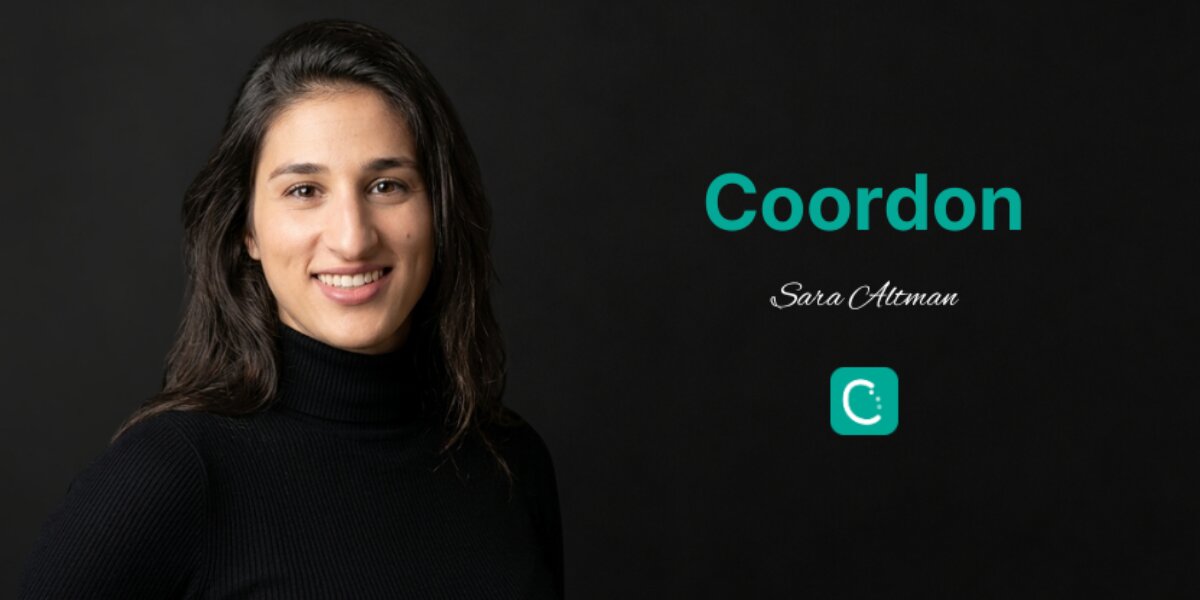
Wedding coordinator Sara Altman built Coordon after seeing outdated tools fail real-time wedding coordination needs.
Behind every flawless wedding is a level of coordination most guests never see. While celebrations appear effortless on the surface, they are often held together by professionals managing constant change in real time, adjusting timelines, coordinating vendors, and solving problems before anyone notices they exist.
For Sara Altman, that invisible pressure wasn’t just part of the job, it was the reality she lived every weekend.
Sara didn’t enter the wedding industry with a defined title or an established network. She built her career step by step, beginning in entry-level roles and gradually working her way into full-scale wedding coordination. Over the years, she became the person trusted to manage complex, high-pressure events with hundreds of guests, where precision and calm execution weren’t optional, they were essential.
Sara Altman spent years coordinating weddings and helping couples navigate one of the most meaningful days of their lives. Known for her calm approach and attention to detail, she worked closely with clients to make sure each event ran smoothly and felt personal.
“I spent years coordinating weddings and giving my clients a beautiful experience. But behind the scenes, I was doing it with tools that weren’t really built for this job,” Sara Altman said.
Like many coordinators in the industry, Sara relied on spreadsheets, messaging apps, and manual checklists to manage timelines, vendors, and event-day logistics. Over time, she began noticing how difficult it was to keep everything organized in one place, especially as events became more detailed and fast-paced.
That ongoing experience led her to recognize a bigger need within the industry: event professionals needed tools that were actually designed for real-time coordination and communication.
That realization became the starting point for something new.
“The wedding industry is full of incredibly talented, hardworking women who deserve professional-grade tools. That’s what we built Coordon to be,” she explained.
Rather than accept the gap as part of the job, Sara chose to address it directly. She partnered with her brother, software engineer Shay Altman, to build Coordon, a platform designed specifically for the realities of wedding coordination as it happens, not just as it is planned.
Unlike traditional planning tools that focus on static timelines or pre-event organization, Coordon was designed around live execution. Wedding coordinators aren’t sitting at desks on the day of an event, they are moving constantly, communicating in real time, and making rapid decisions under pressure. The platform reflects that reality, functioning as a mobile-first coordination system built for active, on-the-ground management.
For Sara, the goal was never simply to digitize old workflows. It was to rethink them from the perspective of someone who has actually lived them.
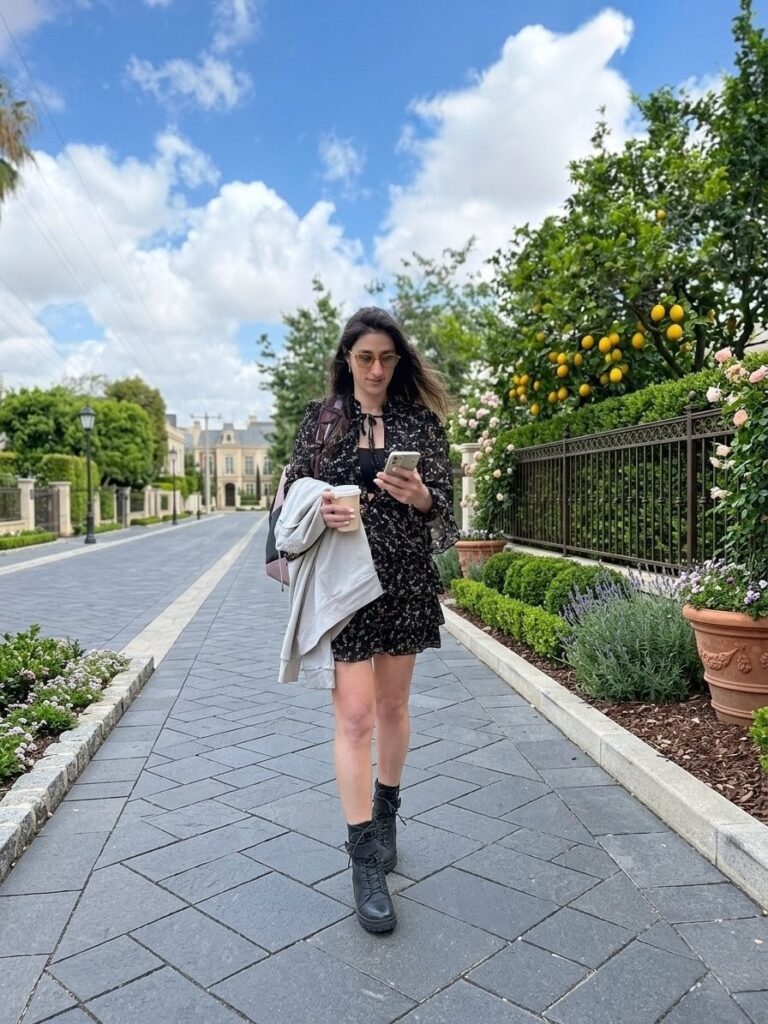
“Every feature in Coordon exists because I lived with the problem myself. This isn’t software built by people guessing what coordinators need, it’s built by someone who’s been there,” she said.
Today, Coordon represents more than a software solution. It reflects a shift in how tools for women-led industries are being created, not from the outside looking in, but from within the profession itself. It is shaped by real-world pressure, emotional labor, and the fast-moving unpredictability that defines event coordination.
Sara’s story speaks to a broader truth: innovation often doesn’t begin with disruption, it begins with repetition. With doing a job long enough to understand exactly where it breaks, and deciding that “making do” is no longer enough.
What started as a career built on managing other people’s most meaningful moments has evolved into building something designed to support those moments more effectively, and to give the professionals behind them the tools they’ve always needed, but rarely had.
