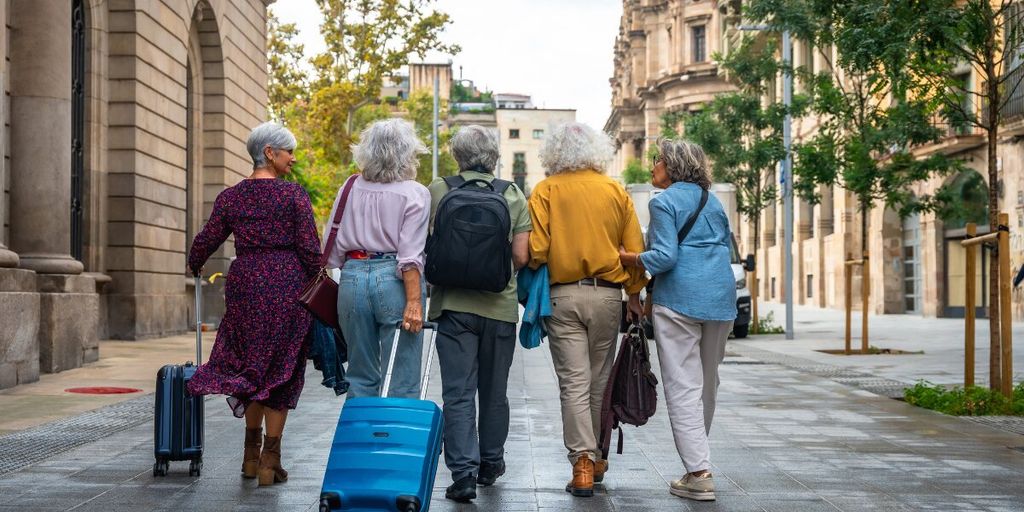
Women-focused travel and wellness experiences are seeing significant growth across the United States in 2026, as more travelers prioritize mental well-being, personal growth, and community-centered experiences. Industry analysts and hospitality companies reported this week that wellness tourism continues to be one of the fastest-growing segments within the travel industry, particularly among women seeking meaningful and restorative travel opportunities.
Several major hospitality brands and travel organizations announced expanded wellness-focused programming during May 2026, reflecting increased demand for retreats centered on mindfulness, fitness, nutrition, creativity, and stress reduction. Women travelers are increasingly choosing experiences that combine relaxation with education, wellness coaching, and social connection.
Travel experts say the shift reflects changing priorities following years of heightened attention to burnout, work-life balance, and emotional wellness. Rather than focusing exclusively on luxury or sightseeing, many travelers are now looking for experiences that support long-term physical and mental health.
One of the most notable developments this month has been the rise of “purpose-driven” wellness retreats designed specifically for women balancing careers, caregiving, and personal development. Resorts and retreat centers across states including California, Arizona, Colorado, and Florida have introduced new programs focused on mindfulness workshops, guided outdoor activities, stress-management seminars, and nutrition education.
Industry researchers note that solo female travel also continues to grow steadily in 2026. Travel advisors report that many women are increasingly comfortable booking independent travel experiences that emphasize safety, flexibility, and community engagement. Group wellness retreats have become especially popular because they combine personal relaxation with opportunities to build supportive friendships and professional connections.
Hospitality companies have responded by expanding women-centered programming. Several luxury and boutique resorts recently introduced wellness weekends that include fitness classes, meditation sessions, leadership discussions, and workshops focused on confidence-building and career wellness. Organizers say these programs are designed to address the growing interest in holistic self-improvement rather than appearance-based beauty standards alone.
Health professionals involved in many of these retreats emphasize that wellness tourism can offer genuine mental-health benefits when approached realistically. Experts point to research showing that rest, movement, nature exposure, and social connection may help reduce stress levels and improve emotional resilience. At the same time, specialists encourage travelers to maintain balanced expectations and focus on sustainable habits rather than short-term transformation goals.
Fashion and beauty trends connected to wellness travel are also evolving this year. Retail analysts report increased demand for comfortable, versatile clothing that supports both active and casual lifestyles. Brands are introducing travel-friendly collections featuring breathable fabrics, neutral color palettes, and functional designs that align with the broader “quiet wellness” movement emerging across lifestyle industries.
Beauty companies are similarly adapting to changing consumer preferences. Instead of promoting complicated routines, many skincare and wellness brands are emphasizing simplicity, hydration, sun protection, and self-care practices that fit naturally into busy schedules. Analysts say consumers increasingly value authenticity, transparency, and practicality when choosing wellness and beauty products.
Career wellness was another major theme highlighted during several women-focused conferences and retreats this month. Workplace experts noted that many professionals are reevaluating how they manage stress, productivity, and personal fulfillment. Leadership workshops aimed at women entrepreneurs and professionals have gained traction as attendees seek strategies for maintaining both career growth and personal well-being.
Mental health advocates involved in these programs continue to stress the importance of accessible wellness conversations. Speakers at multiple events emphasized that self-care should not be viewed as a luxury reserved only for high-end experiences. Instead, they encourage women to incorporate manageable wellness habits into everyday life through regular movement, quality sleep, social support, and realistic personal boundaries.
The growing popularity of women-centered wellness travel also reflects broader cultural changes surrounding self-care and empowerment. Experts say women increasingly want experiences that provide emotional value and personal enrichment alongside relaxation. This demand has encouraged businesses within the travel, hospitality, beauty, and fitness industries to create more inclusive and educational offerings.
Economic analysts predict the wellness travel sector will continue expanding throughout 2026 as consumer interest remains strong. Hospitality groups are expected to invest further in wellness-focused amenities, sustainable tourism practices, and experiences tailored to travelers seeking meaningful connections and long-term well-being.
For readers interested in lifestyle, wellness, and personal development, the latest travel trends demonstrate how modern wellness is becoming more comprehensive and experience-driven. Rather than focusing solely on aesthetics or luxury, today’s wellness movement increasingly centers on resilience, balance, emotional health, and community support.
As women continue to prioritize personal growth and well-being in both travel and daily life, experts believe the trend will shape future conversations around health, fashion, work-life balance, and lifestyle culture for years to come.
Women’s Insider Contributor
Emily R. Parker
Emily R. Parker is a lifestyle and business writer with a focus on wellness, career development, and modern leadership. Her articles highlight real-world strategies for women balancing ambition and well-being.
This article features partner, contributor, or branded content from a third party. Members of the Women’s Insider editorial staff were not involved in the creation of this content. All views and opinions are those of the contributor alone.
Related Posts
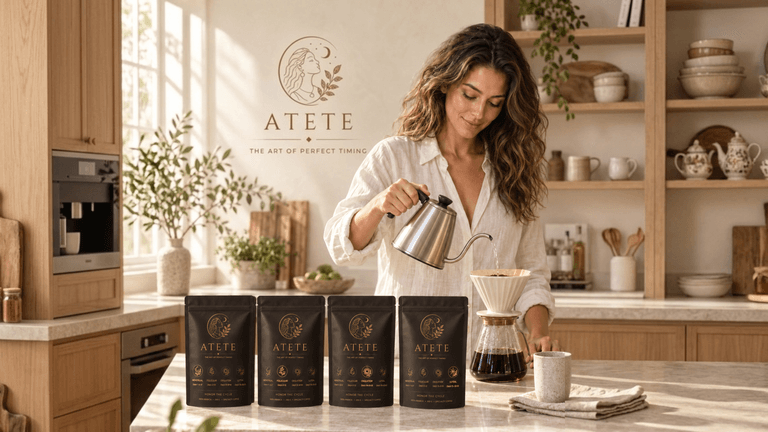
ATETE Cycle-Synced Coffee Reimagines Ritual
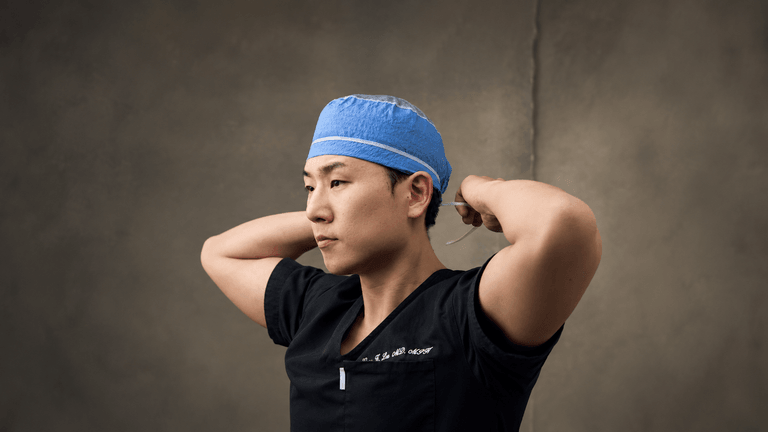
Anatomy, Artistry, and Individuality: Inside LA MÔEM Plastic Surgery
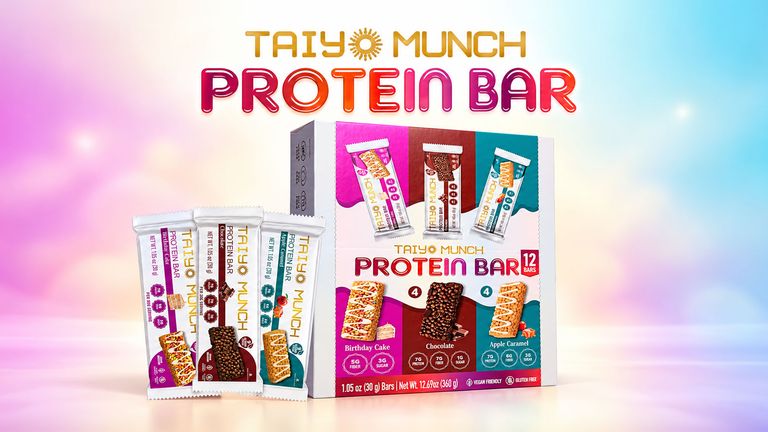
How Taiyo Munch Makes Snacking Safer To Share
Who Holds the Woman Who Holds Everyone Else?
Beyond "Just PMS": Carola Le-Wriedt on the Story Behind Wellhistic's Bestselling Formula