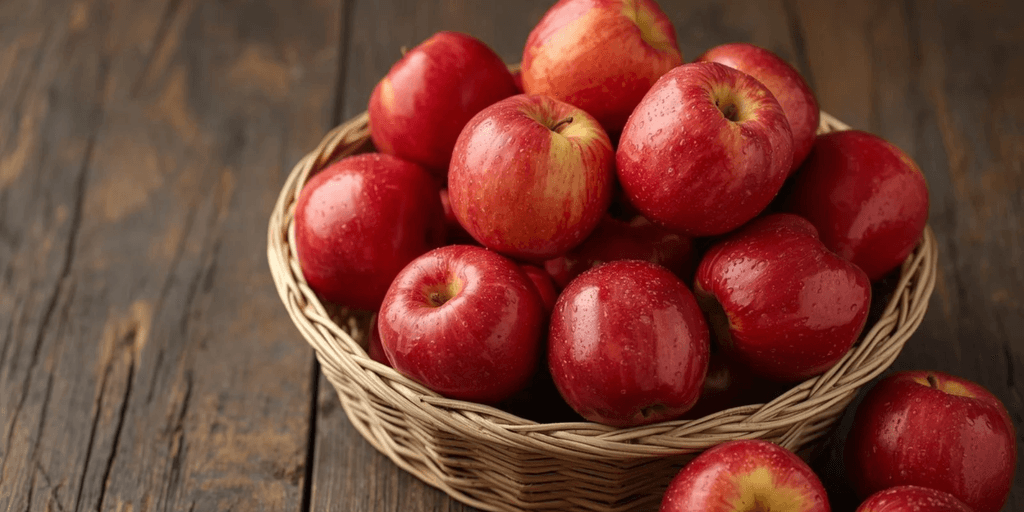
October 21 celebrates National Apple Day 2026, bringing attention to fresh harvests, local orchards, seasonal flavors, and thoughtful grocery shopping.
The arrival of autumn brings familiar sights to grocery stores and farmers markets across America. Wooden crates fill with red, green, and golden apples, while shoppers compare varieties for lunchboxes, homemade desserts, and family meals. On Wednesday, October 21, 2026, National Apple Day places this popular fruit in the spotlight, celebrating its agricultural heritage, culinary versatility, and connection to seasonal shopping. The informal observance offers families and food enthusiasts an opportunity to explore different apple varieties, appreciate local growers, and make informed choices when purchasing fresh produce.
National Apple Day 2026 Celebrates America's Fall Harvest
National Apple Day is observed annually on October 21 and recognizes the cultural and agricultural importance of apples.
The celebration is associated with Apple Day, an observance established in the United Kingdom in 1990 by the organization Common Ground. Its original purpose was to recognize local apple varieties, traditional orchards, and the relationship between agriculture and regional identity.
In the United States, October 21 appears on national observance calendars as National Apple Day, although it is not an official federal holiday.
The date arrives during the fall harvest season in many American apple producing regions, making it a fitting occasion to recognize the fruit's place in everyday shopping and cooking.
Apples remain widely available throughout the year because of modern storage and distribution systems. However, autumn provides an opportunity to discover newly harvested varieties and explore the differences between locally grown fruit and apples transported from other regions.
America's Apple Varieties Offer Something For Every Shopper
One of the most interesting features of the American apple market is the range of varieties available to consumers.
According to the U.S. Apple Association, growers cultivate numerous apple varieties across the country, with different types offering distinct flavors, textures, and culinary uses.
Gala apples are known for their mild sweetness and crisp texture, making them popular for everyday snacking. Granny Smith apples have a tart flavor and firm flesh that works well in many baked recipes.
Fuji apples are generally sweet and juicy, while Honeycrisp apples are recognized for their crisp bite and balanced flavor.
Red Delicious apples remain familiar to many American shoppers, although personal preferences vary considerably.
These differences matter when selecting apples for specific purposes.
A shopper preparing a pie may prefer varieties that maintain their structure during baking, while someone purchasing fruit for school lunches may prioritize sweetness, texture, and convenience.
Understanding these characteristics can make grocery shopping more practical and enjoyable.
Farmers Markets And Orchards Connect Consumers With Growers
National Apple Day 2026 also highlights the role of local orchards and farmers markets in America's food culture.
Apple production is especially important in states such as Washington, New York, Michigan, Pennsylvania, and California.
Washington is the country's leading apple producing state, with a large commercial industry that supplies domestic and international markets.
Other growing regions contribute distinctive varieties and seasonal traditions.
Farmers markets offer shoppers an opportunity to ask vendors about harvest dates, available varieties, and recommended uses.
Some orchards also welcome visitors for seasonal activities, including apple picking, farm tours, and educational experiences.
These activities can help families better understand how fruit moves from agricultural production to household kitchens.
However, availability varies by region, weather conditions, and individual farm schedules. Shoppers should check local information before planning an orchard visit.
Smart Apple Shopping Begins With Quality And Storage
Choosing apples involves more than selecting an attractive color.
The United States Department of Agriculture recommends looking for apples that are firm and generally free from significant bruising or visible decay.
Different varieties naturally have different skin colors, so appearance alone does not determine sweetness or freshness.
Once purchased, proper storage can help maintain quality.
Refrigeration generally preserves apple texture and freshness longer than leaving fruit at room temperature.
Consumers should also inspect stored apples periodically and remove any showing signs of spoilage.
Washing apples under running water before eating or preparing them is an important food handling practice. The Food and Drug Administration advises against using soap or household detergents to clean fresh produce.
For households purchasing larger quantities during harvest season, planning how the apples will be used can help reduce unnecessary food waste.
Seasonal Recipes Make The Most Of Autumn Apples
Beyond traditional apple pie, the fruit can be incorporated into a wide range of everyday meals.
Fresh apple slices can complement salads, while diced apples add sweetness and texture to oatmeal or yogurt.
Baked apples offer another option for home cooks interested in simple autumn desserts.
For savory meals, apples can be paired with roasted vegetables or incorporated into grain based dishes.
The variety of possible preparations makes apples useful for households with different tastes and cooking preferences.
National Apple Day also provides an opportunity for families to experiment with unfamiliar varieties.
Comparing the flavors of several apples can become an educational activity for children and adults, introducing them to differences in sweetness, acidity, and texture.
October 21 Encourages More Thoughtful Seasonal Purchases
As National Apple Day 2026 draws attention to one of America's most familiar fruits, its significance extends beyond a single shopping trip.
The observance highlights the work of growers, the diversity of apple varieties, and the importance of understanding where food comes from.
For shoppers, the occasion offers a practical reminder to compare varieties, consider seasonal availability, and purchase quantities suited to household needs.
For families, visiting a farmers market or preparing an apple based recipe can provide an enjoyable way to connect with autumn traditions.
Ultimately, National Apple Day celebrates more than the fruit itself. It recognizes the agricultural communities, culinary customs, and everyday decisions that connect Americans with their food.
Whether selecting apples for a family recipe or discovering a new variety at a local market, October 21 offers a simple opportunity to appreciate the flavors and traditions of the fall harvest.
Women’s Insider Contributor
Natalie J. Brooks
Natalie J. Brooks covers small business, branding, and digital culture. She brings a practical, accessible voice to topics that matter most to today’s women.
This article features partner, contributor, or branded content from a third party. Members of the Women’s Insider editorial staff were not involved in the creation of this content. All views and opinions are those of the contributor alone.
Related Posts

Advanced Permanent Makeup Institute Prepares Students for Careers in Permanent Makeup

Juli Taylor Turns Trash Into Strategy

Germaine Boeckman: The Story Behind Run Your Life

Petra Rényai Is Shaping A New Era Of Creative Freedom

Joshua Polivka, The Language Coach you need