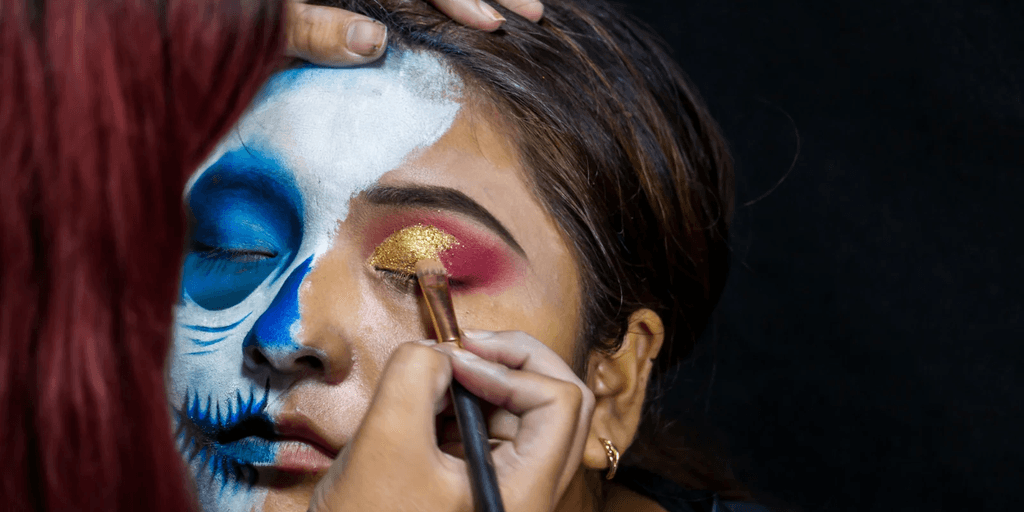
As Halloween approaches, beauty experts highlight practical ways to enjoy creative makeup while protecting skin and maintaining healthy routines.
A dramatic eye look, a carefully painted character, or a colorful fantasy design can transform an ordinary costume into something memorable. Yet behind the excitement of Halloween beauty lies an important consideration: not every product designed to create a striking appearance is suitable for every part of the face. On October 25, 2026, with Halloween just six days away, Americans preparing their costumes have an opportunity to review their makeup choices. Guidance from the U.S. Food and Drug Administration and eye care professionals highlights the importance of product labeling, proper application, and careful removal. For beauty enthusiasts, these recommendations offer practical ways to enjoy seasonal creativity while making informed cosmetic decisions.
Halloween Makeup Safety 2026 Highlights Responsible Beauty Choices
Halloween makeup allows people to experiment with colors, textures, and artistic styles that differ from everyday beauty routines.
From elaborate character designs to simple decorative details, cosmetics have become an important part of seasonal celebrations.
However, products marketed for theatrical or costume use can have different ingredients and application requirements from familiar everyday makeup.
The Food and Drug Administration regulates Halloween makeup as cosmetics under federal law. Color additives used in these products must be approved for their intended cosmetic applications.
Importantly, a color approved for general facial use is not necessarily permitted around the eyes.
Consumers should therefore read product labels carefully and follow instructions about where cosmetics can be applied.
The distinction is especially relevant when creating dramatic designs involving bright pigments, decorative powders, and unusual textures.
Eye Makeup Deserves Special Attention During Halloween
The eye area is particularly sensitive, making product selection an important consideration for Halloween beauty enthusiasts.
The American Academy of Ophthalmology advises caution when using glitter, metallic pigments, and decorative cosmetics around the eyes.
Loose particles can enter the eye and cause irritation or scratches. Products that appear suitable for the face may also contain color additives that are not approved for eye area application.
For this reason, makeup intended for cheeks, lips, or other facial areas should not automatically be used as eyeliner or eyeshadow.
Decorative contact lenses require additional attention.
According to the FDA, costume contact lenses are medical devices that require a prescription, even when they are worn only to change eye appearance.
An appropriate examination and fitting by an eye care professional are important because poorly fitted or improperly handled lenses can cause serious eye problems.
These considerations demonstrate why responsible Halloween beauty preparation involves more than choosing an attractive design.
Testing New Cosmetics Before Halloween Can Help Identify Irritation
With several days remaining before October 31, October 25 provides a useful opportunity to examine unfamiliar makeup products.
The FDA recommends testing new face paint on a small area of skin before applying it more extensively.
A small amount can be applied to the arm in advance to check for visible signs of irritation.
Redness, swelling, itching, or other unexpected reactions may indicate that a product is unsuitable for the individual.
A preliminary test cannot guarantee that a cosmetic will cause no reaction, but it may help identify certain sensitivities before a full application.
Consumers should also inspect products for unusual odors, changes in appearance, or signs of deterioration.
Cosmetics that smell noticeably unpleasant or appear contaminated should not be used.
Checking product instructions and expiration information can help users make more informed decisions about seasonal makeup.
Clean Makeup Tools Remain Essential For Beauty Preparation
Brushes, sponges, and applicators play an important role in creating detailed Halloween looks.
However, these tools also require proper care.
The American Academy of Dermatology recommends cleaning makeup brushes regularly and avoiding the sharing of personal cosmetic products.
Used applicators can collect skin oils, product residue, and microorganisms over time.
Sharing eye makeup or application tools may also increase the risk of transferring contaminants between individuals.
For people preparing makeup looks with friends or family members, separate applicators can provide a more hygienic approach.
Clean hands and properly maintained tools are particularly important when applying cosmetics close to sensitive areas.
These practices are useful throughout the year, but elaborate Halloween makeup provides an additional reason to review them.
Gentle Makeup Removal Matters After Seasonal Celebrations
Removing Halloween makeup deserves as much attention as applying it.
Costume cosmetics may involve several layers of pigment, decorative products, and long wearing formulas.
The American Academy of Dermatology recommends removing makeup before sleeping and cleansing the face gently rather than scrubbing aggressively.
Depending on the product, a suitable makeup remover may help loosen cosmetics before the skin is washed with a gentle cleanser.
Rubbing repeatedly or using harsh products can contribute to irritation.
People with sensitive skin should pay particular attention to product instructions and their usual skin care needs.
A simple routine involving appropriate cleansing and moisturizing may be more comfortable than introducing numerous unfamiliar products at once.
If a cosmetic causes significant irritation, discontinuing its use and seeking appropriate professional guidance is advisable.
Creative Halloween Beauty Does Not Require Complicated Products
Halloween makeup can be expressive without relying on extensive special effects.
Simple designs using cosmetics intended for the relevant facial areas can create recognizable characters and seasonal themes.
A carefully chosen color palette, coordinated hairstyle, or decorative detail may provide the desired appearance without requiring numerous unfamiliar products.
Planning a look before the celebration also gives individuals time to check application instructions and consider how cosmetics will be removed afterward.
For beauty enthusiasts, the goal is not to limit creativity but to make thoughtful decisions about the products used.
This approach supports a more enjoyable experience while keeping cosmetic safety part of the preparation process.
October 25 Offers A Timely Reminder About Beauty And Personal Care
As Americans prepare for Halloween 2026, October 25 provides a timely opportunity to consider the practical side of seasonal beauty.
The guidance from federal regulators, dermatologists, and eye care professionals emphasizes careful product selection, hygienic application, and appropriate makeup removal.
These recommendations remain relevant beyond Halloween because many of the same principles apply to everyday cosmetics.
For women interested in experimenting with seasonal makeup, understanding product labels and respecting individual skin sensitivities can make preparation more manageable.
Ultimately, Halloween beauty is an opportunity for creativity and personal expression. Choosing suitable products and following established safety guidance allows that creativity to remain the focus of the celebration.
Women’s Insider Contributor
Natalie J. Brooks
Natalie J. Brooks covers small business, branding, and digital culture. She brings a practical, accessible voice to topics that matter most to today’s women.
This article features partner, contributor, or branded content from a third party. Members of the Women’s Insider editorial staff were not involved in the creation of this content. All views and opinions are those of the contributor alone.
Related Posts

From Survival to Sanctuary: Audrey Fitz-Gerald

Rachel Boston Builds FocusBlu Premium Wellness While Expanding Her Entrepreneurial Legacy

Prof. Robert Stewart Wins Distinguished Author Of The Year

Beyond Fashion: How Flor Guerrero Built Alpaca Allstyles Around Nature, Heritage, and Conscious Living

The Things We Won't Say: How Brandi Davis Is Taking Honest Conversations Beyond the Therapy Room