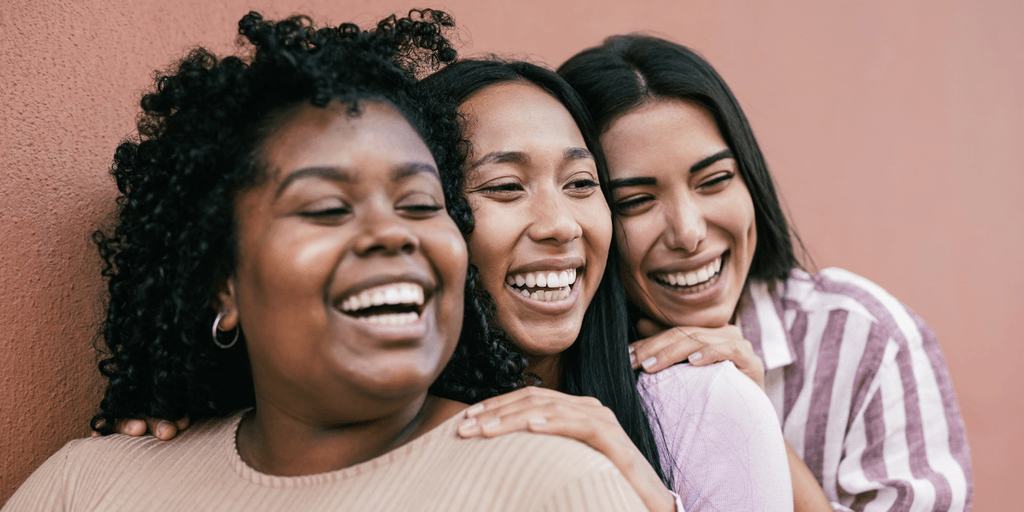
Women are approaching friendship with greater intention, making communication, mutual support, and meaningful connection a priority.
There is a moment many women recognize. A close friend moves away, starts a demanding job, becomes a parent, enters a new relationship, or simply develops a different routine. Messages that once arrived every day become weekly check ins. Plans become harder to coordinate. Nobody necessarily did anything wrong, yet the friendship suddenly requires more effort. For women navigating adulthood, experiences like these reveal an important truth: meaningful friendships rarely remain unchanged. They evolve alongside the people within them.
Why Female Friendship Matters
Friendship is more than a pleasant addition to daily life. Social connection is an important part of overall well being, and supportive relationships can provide companionship, encouragement, perspective, and a sense of belonging.
For women, friendships can also create spaces where experiences are shared openly. Conversations about careers, family responsibilities, relationships, motherhood, aging, personal goals, and major transitions can offer something uniquely valuable: the reassurance of being understood by another person who is willing to listen.
Still, meaningful connection does not depend on having a large social circle. A woman may have dozens of acquaintances but only a few people she trusts deeply. What often matters is the quality of the relationship and whether both people feel respected, valued, and able to communicate honestly.
That distinction can become increasingly important as life grows busier.
Adult Life Can Change The Shape Of Friendship
Friendships formed during school or early adulthood often benefit from proximity. Friends may live nearby, follow similar schedules, or see each other naturally through classes, workplaces, neighborhoods, or social gatherings.
Later, those built in opportunities for connection can disappear.
Careers become more demanding. Some women relocate. Others marry, have children, care for relatives, return to school, or pursue new goals. Even friends living in the same city can find themselves working with completely different schedules.
These changes can create distance without signaling the end of a friendship. A relationship that once depended on spontaneous evenings together may eventually rely on planned dinners, voice messages, phone calls, or occasional weekend visits.
Recognizing that change can prevent women from measuring every friendship against what it looked like years earlier. Sometimes maintaining a meaningful relationship means allowing its rhythm to change.
Communication Becomes More Important
Strong adult friendships often require something that younger friendships can sometimes avoid: clear communication.
A friend cannot always know that someone feels overlooked, overwhelmed, or disconnected. Likewise, delayed messages or canceled plans do not automatically mean that a person no longer cares.
Talking openly can reduce unnecessary assumptions. Instead of allowing frustration to build, friends can explain what they need while remaining curious about what the other person may be experiencing.
This does not mean every disagreement requires a serious conversation. Healthy relationships also need flexibility. People forget things, become busy, and occasionally misunderstand one another.
The more useful question may be whether respect and consideration remain consistent over time.
Women Are Making Space For Different Kinds Of Connection
Another important shift can happen when women stop expecting one friendship to meet every social need.
One friend may be the person to call when a career decision feels overwhelming. Another may share a love of fitness, books, travel, fashion, or food. A longtime friend may understand someone's history better than anyone else, while a newer friend may connect deeply with the person she is becoming today.
These relationships do not have to compete.
Allowing friendships to serve different roles can reduce pressure and make social circles more adaptable. It can also encourage women to remain open to meeting people during different stages of adulthood.
New friendships are not limited to childhood or college. They can begin through work, community activities, hobbies, parenting circles, volunteering, professional organizations, or simple repeated encounters with people who share similar interests.
When A Friendship Begins To Feel Different
Not every friendship is meant to remain equally close forever. Sometimes people gradually develop different priorities, communication styles, or expectations.
Distance alone does not make a friendship unhealthy. However, women may find it useful to notice recurring patterns in how a relationship makes them feel.
Mutual friendship requires participation from both people. One person should not continually be responsible for initiating every conversation, arranging every meeting, or repairing every disagreement. Healthy connection leaves room for boundaries, separate lives, honest conversations, and mutual respect.
In some cases, the relationship may not need a dramatic ending. It may simply become less central.
Accepting that possibility can make room for gratitude rather than resentment. A friendship can have been meaningful during one chapter without remaining identical in the next.
Building Relationships That Grow With You
Intentional friendship does not require constant contact or perfectly balanced schedules. It requires attention.
A thoughtful message, a remembered birthday, a planned coffee date, or a phone call during an important week can communicate care even when two lives look very different. Small actions often become the structure that keeps long standing relationships connected.
Women can also benefit from approaching friendship with the same intention often reserved for romantic relationships or careers. That means making time for people who matter, communicating when something feels wrong, respecting boundaries, and recognizing when circumstances have changed.
The goal is not to collect more friendships. It is to build relationships where connection can survive growth.
As women move through new careers, relationships, cities, families, and personal chapters, their friendships will inevitably evolve too. The strongest relationships may not be the ones that never change. They may be the ones flexible enough to change with the women who created them.
Women’s Insider Contributor
Smith John
This article features partner, contributor, or branded content from a third party. Members of the Women’s Insider editorial staff were not involved in the creation of this content. All views and opinions are those of the contributor alone.
Related Posts

Elegant Bookkeeping Turns Chaos Into Clarity

SuperQueen AI® Is Bringing Predictive Intelligence to Women First

Nicoletta Consumi Named An Unstoppable Woman 2026 As Years Of Strategy Turn Into Recognition

RiseHer Roadmap Helps Entrepreneurs Turn Business Complexity Into A Clear Path For Growth

Dr. Don MacDonald On Polyvagal-Informed Chiropractic