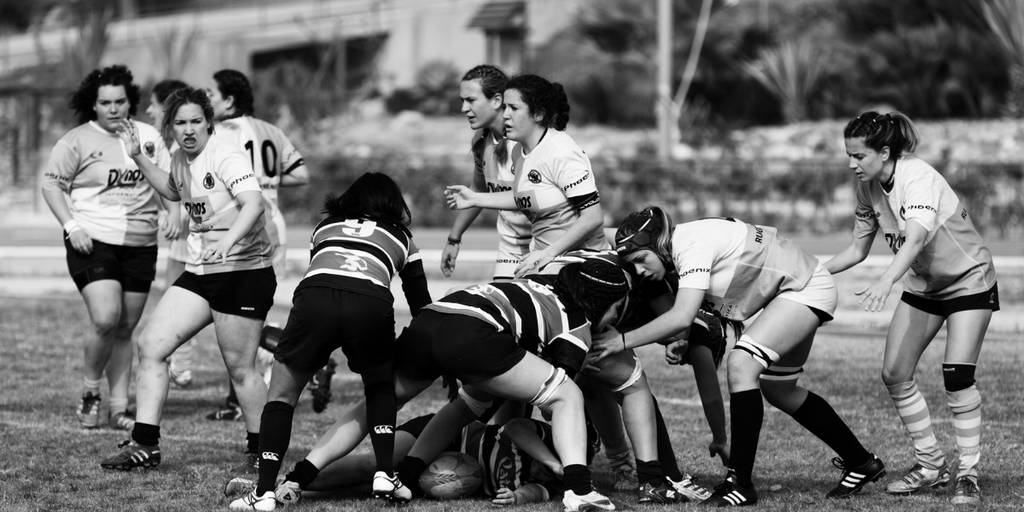
Women’s sports continue to gain visibility and commercial momentum in 2026, and one of the clearest examples is unfolding this week in the United States. Kansas City is set to host a high-profile international women’s rugby double-header at CPKC Stadium, where the United States Eagles will face Australia’s Wallaroos, alongside a New Zealand versus Canada matchup in the Pacific Four Series. The event reflects growing investment, fan demand, and media attention surrounding women’s professional sports.
The significance of the venue itself is notable. CPKC Stadium, home of the Kansas City Current of the National Women’s Soccer League, has become a symbol of how dedicated facilities can elevate women’s athletics. Purpose-built stadiums and high-quality game-day experiences have long been common in men’s sports, but they are increasingly becoming part of the women’s sports landscape as well. By hosting international rugby in a venue already associated with women’s soccer success, organizers are signaling that women’s sports deserve premier stages and professional infrastructure.
Angie Long, co-owner of the Kansas City Current and a former collegiate rugby player, has been among the leaders pushing that vision forward. She has emphasized that the challenge for women’s sports has not been the quality of competition, but how it has historically been presented. Better venues, stronger broadcasting support, and consistent promotion can significantly expand audiences. Her perspective reflects a broader shift in sports business strategy, where women’s leagues are increasingly viewed as growth opportunities rather than niche products.
That shift matters beyond athletics. Women’s sports growth intersects with leadership, representation, and economic opportunity. Ownership groups, executives, coaches, broadcasters, and athletes are creating new career pathways for women across industries. As more women hold decision-making roles in sports organizations, they help shape policies around pay equity, scheduling, fan engagement, and community outreach.
The momentum is visible in audience behavior as well. Over the last several years, women’s basketball, tennis, soccer, and other sports have posted stronger attendance and television numbers. Increased exposure has helped introduce new stars to broader audiences, while younger fans now grow up seeing women compete at elite levels in mainstream settings. That visibility can influence confidence, participation, and ambition for girls considering their own futures in athletics or leadership.
Kansas City has become a case study in how local investment can create national attention. The city’s support for women’s soccer has already helped raise expectations for what women’s teams can achieve commercially. Now, bringing international rugby to the same stage expands that model. If attendance and engagement remain strong, more U.S. cities may pursue similar opportunities in sports such as volleyball, cricket, rugby, and baseball.
For readers focused on lifestyle and empowerment, this trend offers practical takeaways. Women’s sports are no longer only about final scores. They increasingly shape fashion, wellness, entrepreneurship, and culture. Athletes often influence fitness trends, brand partnerships, and conversations about mental health and resilience. Many fans connect with players not just through competition, but through stories of discipline, recovery, family life, and community leadership.
The business case is also becoming harder to ignore. Major sponsors increasingly want to align with women’s sports because audiences are engaged, values-driven, and growing. Brands that once overlooked women’s leagues now see opportunities in apparel, wellness products, travel, financial services, and media partnerships. As investment rises, athletes can gain stronger earning potential and better career longevity.
Another reason this moment matters is timing. With global sporting calendars expanding and younger audiences consuming sports through streaming, social media, and short-form highlights, women’s competitions are reaching fans in more accessible ways than ever before. Traditional barriers such as limited TV windows or poor scheduling have begun to weaken.
Still, challenges remain. Pay disparities, uneven media coverage, and limited development pipelines continue in many sports. Sustained progress will require long-term investment rather than one-off promotional moments. Consistency in scheduling, storytelling, and sponsorship is often what transforms interest into durable success.
Even so, this week’s Kansas City rugby showcase demonstrates how quickly the landscape is changing. A women-focused stadium hosting elite international competition would have seemed unusual not long ago. In 2026, it increasingly feels like a preview of the future.
The key takeaway is clear: women’s sports are entering a stronger commercial and cultural era in the United States. As fans fill seats, broadcasters expand coverage, and leaders invest in infrastructure, the result is more than entertainment. It is a growing platform for visibility, ambition, and opportunity for women everywhere.
Women’s Insider Contributor
Women's Insider Contributor
This article features <a href="https://womensinsider.com/terms-and-conditions/" target="_blank">branded content</a> from a third party. Opinions in this article do not reflect the opinions and beliefs of Women's Insider.
This article features partner, contributor, or branded content from a third party. Members of the Women’s Insider editorial staff were not involved in the creation of this content. All views and opinions are those of the contributor alone.
Related Posts

Love Without Borders: Melissa Eadeh Is Connecting Successful Singles Worldwide

JPS Law Offices Protects What Matters Most

The Woman To Woman Podcast: What Happens When Two Best Friends Stop Playing It Safe?

Academy Of Clinical Hypnotherapy Raises The Bar

Photo Club Makes Art Collecting Finally Accessible