
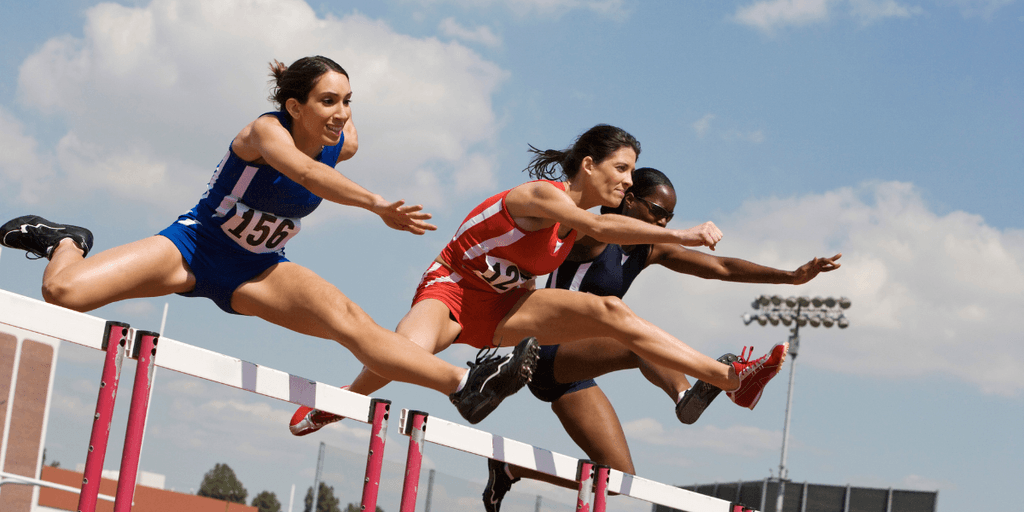
The 2026 NCAA Division I Outdoor Track and Field Championships concluded this weekend at Hayward Field in Eugene, Oregon, bringing together many of the nation’s most accomplished collegiate athletes. The annual championship is widely regarded as one of the most prestigious events in U.S. college sports, serving as a launching pad for future Olympians, professional athletes, coaches, and sports leaders.
Held from June 10 through June 13, the championships featured competition across 42 events, including 21 women’s events and 21 men’s events. The event showcased extraordinary performances from student-athletes representing universities across the country and highlighted the growing strength and visibility of women’s athletics in the United States.
For many competitors, the NCAA Championships represent the culmination of years of dedication, training, and academic balance. Athletes arrive at the national finals after advancing through highly competitive regional qualifying rounds, making participation itself a significant achievement.
This year’s women’s competition attracted particular attention due to the depth of talent on display. From sprinting and distance running to jumping, throwing, and relay events, athletes demonstrated remarkable consistency and resilience throughout the four-day championship. Several competitors entered the meet with national-leading marks, while others emerged as breakthrough performers on one of collegiate sports’ biggest stages.
The championships also underscored the continued growth of women’s track and field programs across the country. Universities have invested heavily in coaching, facilities, sports science, and athlete development over the past decade, resulting in increasingly competitive fields and stronger performances at the collegiate level.
One of the most notable aspects of the NCAA Outdoor Championships is its role in shaping the future of American athletics. Many athletes who excel at the collegiate championships eventually compete at the national and international levels. Previous NCAA standouts have gone on to represent the United States at World Athletics Championships and Olympic Games, making the event a key indicator of future success in the sport.
The women’s competition demonstrated the breadth of opportunities available to student-athletes today. Participants balanced demanding academic schedules while competing at an elite level, reflecting the evolving landscape of collegiate athletics where educational achievement and athletic excellence go hand in hand.
Beyond the competition itself, the championships highlighted the importance of female representation in sports. Women’s athletics continue to experience increased media coverage, growing fan engagement, and expanding opportunities for leadership both on and off the field. Coaches, administrators, trainers, and former athletes have played a vital role in creating pathways for young women to pursue competitive sports at the highest levels.
The championship atmosphere in Eugene further emphasized the popularity of track and field among fans. Hayward Field, often referred to as one of the premier track and field venues in the world, provided an ideal setting for athletes to perform under pressure. Spectators witnessed dramatic finishes, personal bests, and memorable moments that reflected the spirit of collegiate competition.
Experts note that collegiate sports can have lasting benefits beyond athletic achievement. Participation often helps athletes develop leadership skills, discipline, time management, teamwork, and confidence. These qualities frequently translate into successful careers in business, education, healthcare, technology, and other professional fields after graduation.
For young women and girls interested in sports, the NCAA Championships offer a powerful example of what dedication and perseverance can achieve. Seeing female athletes compete at an elite level helps inspire future generations to pursue their goals, whether in athletics, academics, or other areas of life.
The event also serves as a reminder of the broader progress made in women’s sports. Increased opportunities, improved resources, and growing public interest have helped elevate female athletes and bring greater recognition to their accomplishments. While challenges remain, the success of major collegiate championships demonstrates how far women’s athletics have advanced and how much potential remains for future growth.
As the 2026 NCAA Outdoor Track and Field Championships come to a close, the achievements of this year’s competitors will be remembered not only for their performances on the track and field but also for their contributions to the continued advancement of women in sports. Their accomplishments represent the power of commitment, resilience, and excellence, qualities that continue to inspire audiences across the United States.
With another successful championship in the books, many of the event’s standout athletes will now look toward national competitions, international opportunities, and future professional careers. For fans, coaches, and aspiring athletes alike, the championships provided a compelling reminder of the talent and determination that define women’s collegiate athletics today.
Women’s Insider Contributor
Womens Insider Staff
Empowering Voices, Inspiring Lives
This article features partner, contributor, or branded content from a third party. Members of the Women’s Insider editorial staff were not involved in the creation of this content. All views and opinions are those of the contributor alone.
Related Posts
Dr. Nicole Schtupak and The Phoenix Lens Method
From the OR to Telehealth: Ginny Ondik's Bayan Health

Dr. Jessica Saulsberry Supports Balanced Leadership Development

You Don’t Have to Make an Impact Before You Tell Your Story

What Women Are Shopping for This Fall as New York Fashion Week Shapes the Season
