As breathwork gains scientific and therapeutic interest, the practice is evolving toward deeper education, professional standards, and responsible care.
A person walks into a breathwork session expecting to learn how to breathe differently. An hour later, the experience may have become something far more complex. Emotions can surface. Physical sensations can intensify. Memories may emerge. For some participants, the experience can feel unexpectedly profound.
That complexity is helping push breathwork into a new chapter.
Once associated primarily with alternative wellness circles, breathwork is increasingly attracting attention from researchers, therapists, coaches, and people searching for new ways to understand the relationship between the body and emotional wellbeing. At the same time, the growing interest is raising a more sophisticated question about the practice. What does it take to facilitate breathwork responsibly when an experience can involve far more than breathing?
From Wellness Practice To Serious Field Of Study
Breathing exercises themselves are hardly new. Different cultures and contemplative traditions have worked intentionally with the breath for centuries. What is changing is the scale of modern interest and the scientific attention surrounding specific breathing practices.
One approach attracting interest is Conscious Connected Breathwork, which typically involves continuous breathing without pauses between the inhale and exhale. In scientific research, related methods may fall within the broader category of high ventilation breathwork.
These practices can produce measurable physiological changes, including alterations in carbon dioxide levels and other processes associated with respiration. Researchers are also investigating how intensive breathing practices may affect brain activity, emotional processing, and subjective states of consciousness.
The emerging science does not mean every claim made about breathwork has been established. Research is still developing, and different breathing methods should not automatically be treated as interchangeable.
Still, the growing body of investigation is changing the conversation.
Instead of asking only whether breathwork feels beneficial, researchers and practitioners are increasingly examining what happens physiologically, why people can have intense experiences, and how those experiences should be supported.
That distinction matters because popularity can spread much faster than professional knowledge.
Why The Body Is Becoming Part Of The Conversation
Traditional psychotherapy is often described as relying heavily on cognitive processing. People talk about experiences, identify patterns, reconsider beliefs, and develop new ways of responding.
Somatic approaches add another dimension by paying attention to what is happening in the body.
Breathwork can fit into this broader interest because changing breathing patterns can directly alter physiological states. That makes the practice particularly interesting to professionals exploring ways of working with nervous system responses alongside cognitive approaches.
Licensed therapist and Unity Breathwork instructor Ida-Marie has incorporated Conscious Connected Breathwork into her clinical work and has observed some long term clients experience progress in areas where previous approaches had felt limited.
Experiences like these help explain why breathwork has attracted interest among some therapists and other practitioners. They do not establish breathwork as a replacement for psychotherapy or medical treatment. Rather, they point toward an evolving area of complementary practice that researchers and professionals are continuing to examine.
The distinction is important. The future of breathwork may depend as much on careful boundaries as enthusiasm.
The Facilitator Is Becoming Part Of The Practice
Social media often presents breathwork through its most dramatic moments. Videos may show participants crying, shaking, laughing, or moving through visible emotional experiences.
What the camera rarely captures is everything that should happen around those moments.
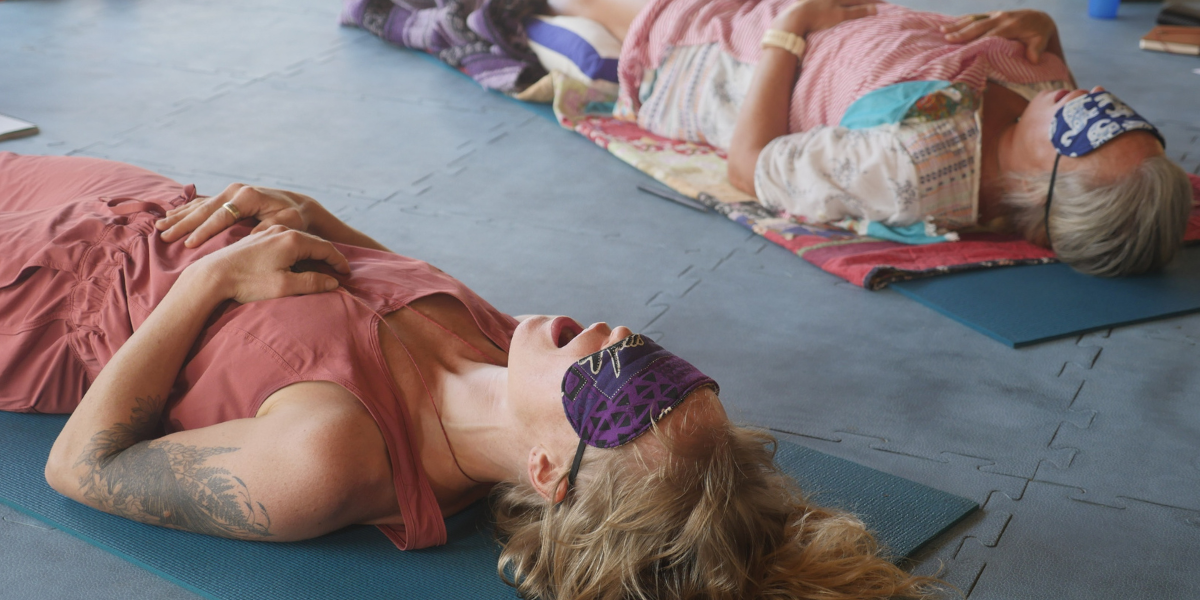
Before an intensive session, a responsible facilitator may need to understand a participant's health history and identify potential contraindications. Recognize signs of distress, understand when additional support may be needed, and know when an experience should be slowed down or stopped. Afterward, participants may need time and appropriate support to process what occurred.
This means professional breathwork education increasingly involves more than learning breathing patterns.
Training can include trauma informed care, nervous system regulation, ethical boundaries, informed consent, health screening, facilitation skills, and post session integration.
Megan Ashton encountered that complexity firsthand after nearly a decade of studying and teaching within the breathwork field and training alongside multiple breathwork schools.
"People assume that because breathwork is 'just breathing,' it can't really go wrong," Ashton said. "But if you're helping someone move through a trauma response,you need to understand what may be happening in their nervous system and how to support them as safely and responsibly as possible."
Her experience eventually led to the development of Unity Breathwork Facilitator Training, a 450 hour trauma informed program that combines coursework, live mentorship, and practical experience. Its curriculum includes subjects such as nervous system regulation, screening, ethics, trauma informed facilitation, and participant support.
Programs like this illustrate a broader shift occurring within breathwork. As the practice matures, education is becoming part of the conversation about credibility.
A More Informed Breathwork Culture
That evolution could ultimately change what participants expect before choosing a facilitator.
Instead of asking only what kind of experience a session promises, prospective participants can ask more practical questions. What training has the facilitator completed? Does the facilitator conduct health screening? How is informed consent handled? What happens if someone becomes overwhelmed? What support exists after an intensive session?
Those questions are especially relevant when someone has a history of trauma or significant physical or mental health concerns. Breathwork experiences vary considerably, and intensive practices are not appropriate for everyone.
They also point to an important distinction between accessibility and expertise.
Breathing is universally accessible. Facilitating another person's intense physiological or emotional experience is a professional responsibility.
Ashton describes that responsibility in straightforward terms.
"A facilitator has a responsibility to understand what they're holding," she said. "This can bring people into some of the most vulnerable moments they'll ever experience. That deserves real training in how the nervous system works, not just good intentions."
The Next Chapter Of Breathwork May Be Defined By Education
The most significant development in breathwork may not be another viral technique or dramatic session shared online. It may be the quieter work happening behind the scenes as researchers study the mechanisms involved and educators develop more comprehensive approaches to facilitation.
That evolution could help separate breathwork as a momentary wellness trend from breathwork as a developing professional practice.
For participants, a more mature field means having better questions to ask before entering a session. For therapists and other professionals, it means examining evidence, training, contraindications, and practitioner qualifications before incorporating breathwork into their work or referring someone elsewhere.
And for aspiring facilitators, the changing landscape places greater emphasis on understanding the person behind the breathing technique.
Unity Breathwork's Trauma Informed Facilitator Training is one example of the deeper educational approach emerging within the field, with an emphasis on practical experience, nervous system education, ethics, screening, and trauma informed care.
As scientific interest continues and more people encounter breathwork, its future will likely be shaped not simply by how powerful an experience can become, but by how thoughtfully that experience is understood and facilitated.
Learn more about the Trauma Informed Breathwork Facilitator Training offered by Unity Breathwork. Visit the Unity Breathwork website to explore upcoming retreats and free online breathwork sessions, and stay connected by following @unitybreathwork on Instagram. For media inquiries, please contact megan@unitybreathwork.com.
Women’s Insider Contributor
Emily R. Parker
Emily R. Parker is a lifestyle and business writer with a focus on wellness, career development, and modern leadership. Her articles highlight real-world strategies for women balancing ambition and well-being.
This article features partner, contributor, or branded content from a third party. Members of the Women’s Insider editorial staff were not involved in the creation of this content. All views and opinions are those of the contributor alone.
Related Posts

SomaCell: True Non-Invasive Facial Tightening That Works

Lauren Brown Consulting Helps Founders Identify the Constraints Limiting Business Growth
Melissa Schulz Turns Parenting Advice Into Personalized Plans That Work for Real Families

Studio MS Indie Jewelry Opens A New Door

Brenda Mohammed Turns Resilience Into A Literary Legacy