Mel Schembri did not love cooking. She loved the people she fed, so she built GetLadle.
Every household has one. The person who quietly carries the question no one else thinks about: what are we eating tonight, and who is coming to the table? For Mel Schembri, that person was always her. Not because she loved standing over a stove, but because she loved the people waiting for the meal.
The Mental Load No App Understood
Mel Schembri never set out to become a founder. A British-born entrepreneur now based in Toronto, she was simply the default food coordinator in her own home. She planned the meals, hosted the gatherings, and kept track of who preferred what. She did all of this across scattered group chats, half-finished spreadsheets, and the fragile storage of memory.
The problem was not the cooking itself. The problem was everything surrounding it. Coordinating with family and friends, remembering requests, managing the pantry, and keeping the plan alive from one week to the next. This is what people call the mental load, and it is invisible until you are the one carrying it.
Mel looked for a tool built for that job. She found recipe apps that saved recipes and generated shopping lists, then stopped. None of them addressed the reality of running an entire food life for other people. So she made a decision that would change everything.
A Non-Technical Founder Who Taught Herself to Build
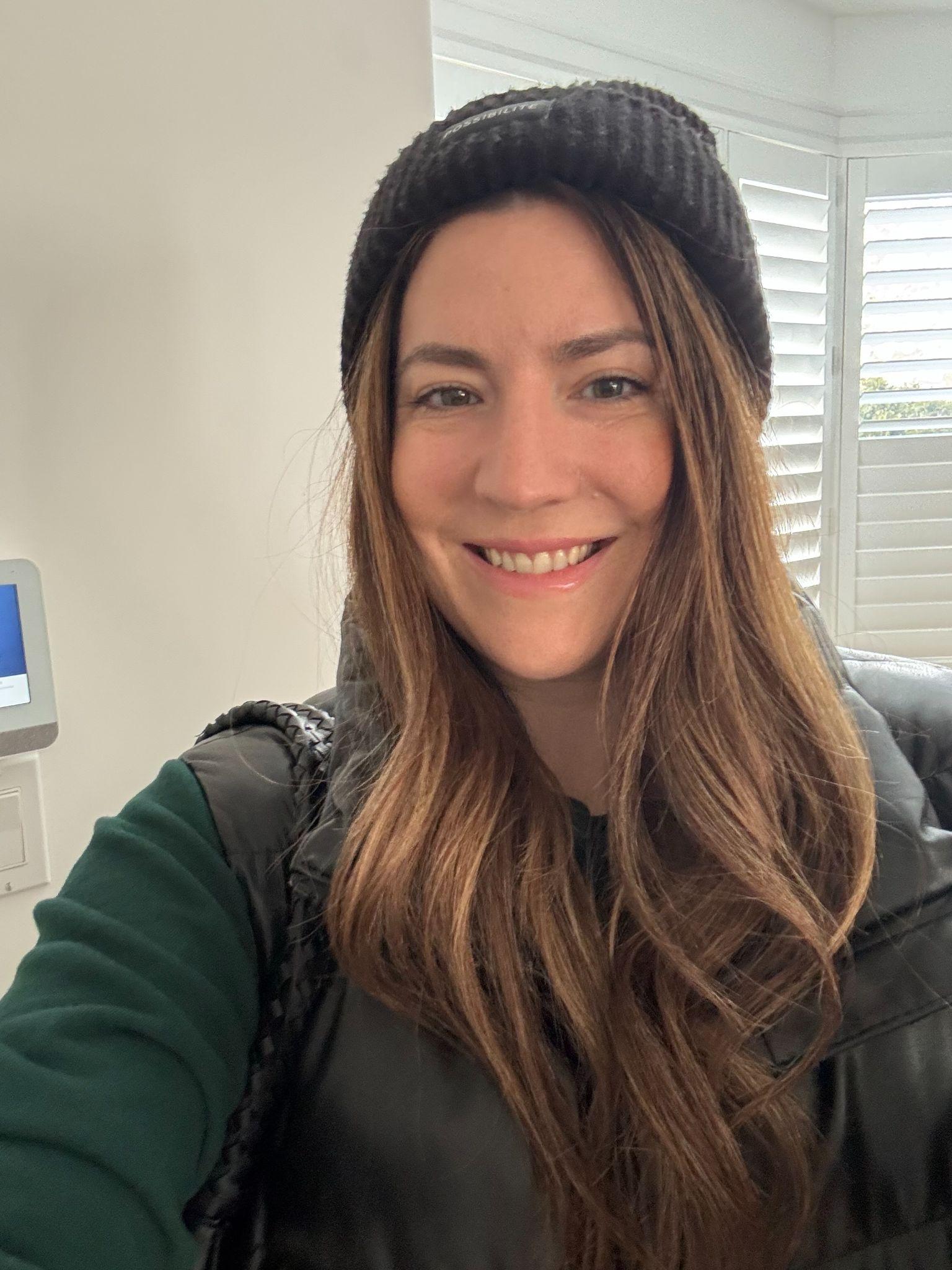
Mel had no background in software. She could not write code, and she did not pretend otherwise. What she had instead was a clear picture of the problem and the stubbornness to solve it.
Using AI-assisted development, she taught herself to build the product she needed. She became a solo founder in the truest sense, translating years of lived frustration into a working platform. This is a rare kind of founder story. Most tools are built by engineers searching for a problem. GetLadle was built by the person living inside the problem every single day.
"I do not love cooking," Mel has said. "I love the people I cook for." That sentence became the heart of the entire product. It reframed cooking not as a solo chore, but as an act of care, and care is fundamentally social.
Where Most Recipe Apps Stop, GetLadle Starts
The insight behind GetLadle is simple to say and surprisingly hard to build. Most recipe apps optimize for one small part of a food life, usually the saving of recipes. They treat the recipe as the finish line. GetLadle treats it as the starting point.
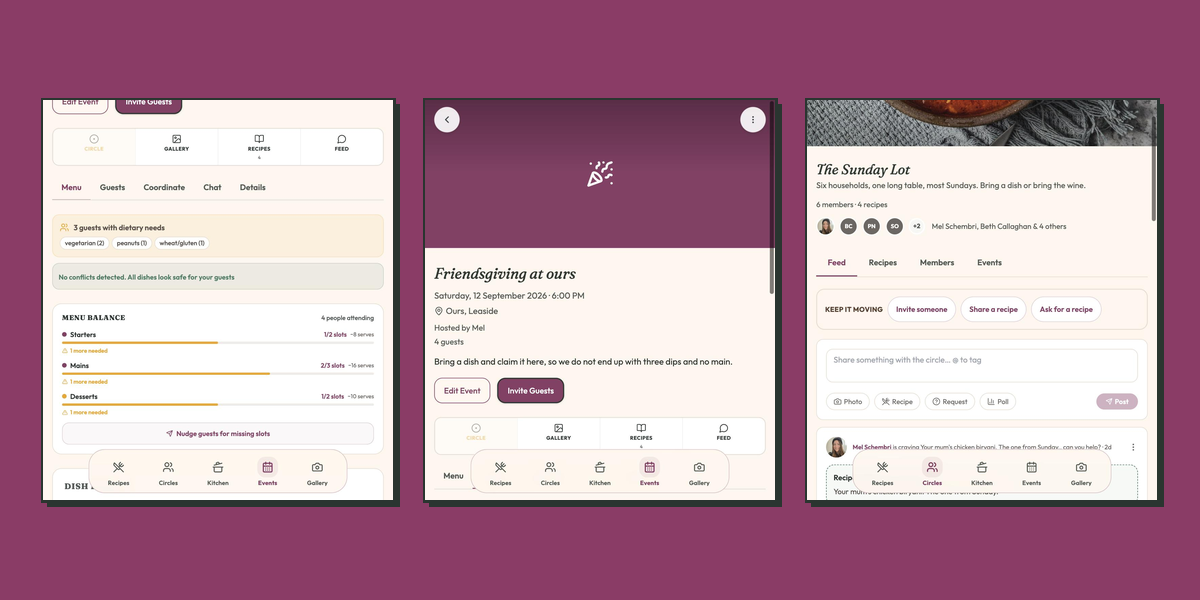
The platform is designed as a coordination system, not a recipe box. At its center are private Circles, spaces where families and friends can share recipes, request dishes, and plan together. Feeding people is a group activity, and for the first time the software reflects that.
Around those Circles sits a complete kitchen system. There is pantry inventory to track what you already have. There is weekly meal planning to answer the nightly question in advance. There are shopping lists that flow directly from the plan, and a step-by-step cook mode that guides you when it is time to actually make the meal. For moments of pure uncertainty, a fridge-scanning feature offers instant meal inspiration based on what is sitting in front of you.
Then there is the part that scales. GetLadle handles event planning that stretches from an intimate four-person dinner party to a two-hundred-guest community potluck. Everything feeds into the same shared plan. Nothing gets lost between the group chat and the grocery run.
Cooking as a Social Act
What makes GetLadle different is not a single feature. It is a philosophy about how food actually works in most people's lives. Daily planning, hosting, sharing, and small acts of care are all treated as equally important, because in real households they are.
Consider how food genuinely moves through a family. A parent requests a favorite dish. A sibling shares a recipe that worked last week. Someone volunteers to bring a side to the gathering. All of that coordination usually happens in the messy margins of texts and memory. GetLadle gathers it into one shared place, so the person carrying the mental load is no longer carrying it alone.
This is the quiet promise of the platform. It does not ask you to love cooking. It simply makes it easier to love the people you cook for, and to feed them without the exhaustion that so often comes with the job.
A Product Shaped by Real Life
There is honesty in the way GetLadle came to exist. It was not designed in a boardroom or reverse-engineered from a market trend. It was built by someone who needed it, tested against the real texture of her own weeks, and refined until it matched the job she had been doing for years.
That authenticity shows up in the details. The Circles feel like the way families already communicate. The kitchen system mirrors the actual sequence of feeding people, from planning to shopping to cooking. The event tools understand that hosting is joyful and stressful in equal measure. Every piece answers a question Mel had already asked herself hundreds of times.
For anyone who has ever felt like the unseen manager of their household's food life, GetLadle offers something rare: recognition. Here, at last, is a tool that understands the whole job, not just the pretty part where a recipe gets saved.
Find Your Place at the Table
If you are the person who feeds people, GetLadle was built for you. It gathers your recipes, your planning, your shopping, and your gatherings into one shared space, so the mental load finally has somewhere to live besides your memory.
Start a Circle with the people you cook for. Plan your week without the guesswork. Host your next dinner, whether it is four guests or two hundred, and let the whole plan stay in one place. GetLadle is live now, and it is ready when you are.
Visit GetLadle to explore private social cooking built for real life, and discover what it feels like to stop carrying the mental load alone. Connect with GetLadle, Instagram, Facebook, and TikTok.
Women’s Insider Contributor
Emily R. Parker
Emily R. Parker is a lifestyle and business writer with a focus on wellness, career development, and modern leadership. Her articles highlight real-world strategies for women balancing ambition and well-being.
This article features partner, contributor, or branded content from a third party. Members of the Women’s Insider editorial staff were not involved in the creation of this content. All views and opinions are those of the contributor alone.
Related Posts
Photo Club Makes Art Collecting Finally Accessible
From Desert Living to Desert Sunday Co.: How Heather Paige Turned Her Love of Fashion Into a Boutique
The Swiss Colombo Method for Women Over 45

Why Luna Skincare Is Bringing Ingredient-Focused Simplicity Back to Skincare
Margarita Monet: Never Surrender Your Mind