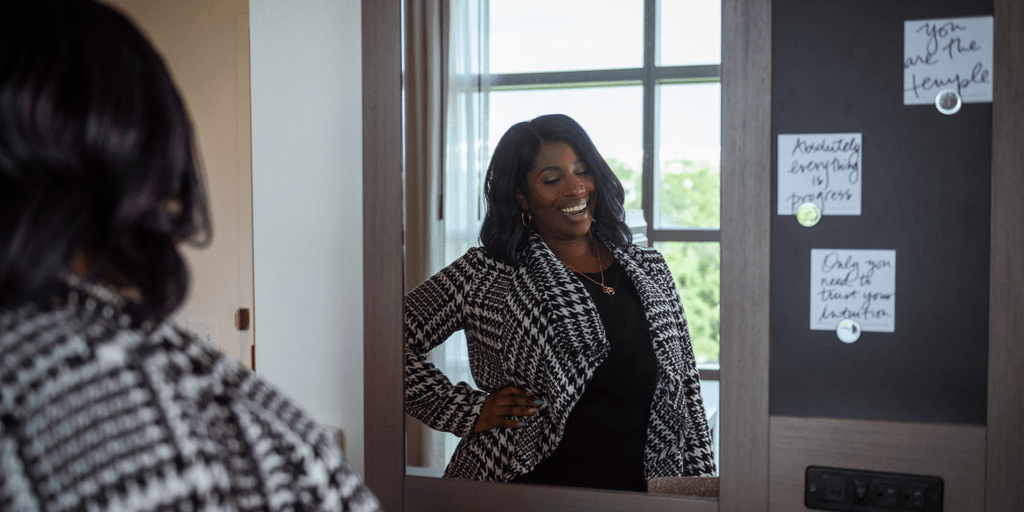
Capacity Compass helps high-achieving girls and women understand changing performance without shame and respond with greater awareness.
The question often arrives quietly, after a missed deadline, a half finished assignment, or a morning when the same woman who carried a team last week cannot get her thoughts to line up today: “Why could I do it last week...and not this week?” For Melissa Brisbane, M.A. in Education and Human Development, LICSW, that question is not evidence of laziness, weakness, or lost ambition. It is a doorway. Through Wisdom Integrative Wellness and her emerging Capacity Compass methodology, Melissa Brisbane invites high-achieving and neurodivergent girls and women to examine what changed before they decide what their changing output means.
Melissa Brisbane’s Capacity Compass Starts With a Distinction
Melissa Brisbane built Capacity Compass from more than two decades of experience across clinical, educational, leadership, and wellness settings. With advanced training in social work, education, psychology, and special education, she has spent years observing how capable people respond when their environments, emotions, energy, and executive function demands change.
Again and again, Brisbane saw students, educators, professionals, and adults mistake uneven performance for a personal failing. Yet their knowledge, intelligence, and commitment had not disappeared. What changed was their access to the focus, regulation, working memory, energy, and emotional bandwidth needed to perform.
Her central message defines the work of Wisdom Integrative Wellness: “Capability tells us what you can do. Capacity tells us what your system can access and sustain under the conditions you are actually in.”
Capacity Compass challenges the idea that performing well once means a person should always produce the same result. Instead, it asks a more useful question: What conditions made that performance possible, and are those conditions still present?
Why High Achievers Often Misread Capacity
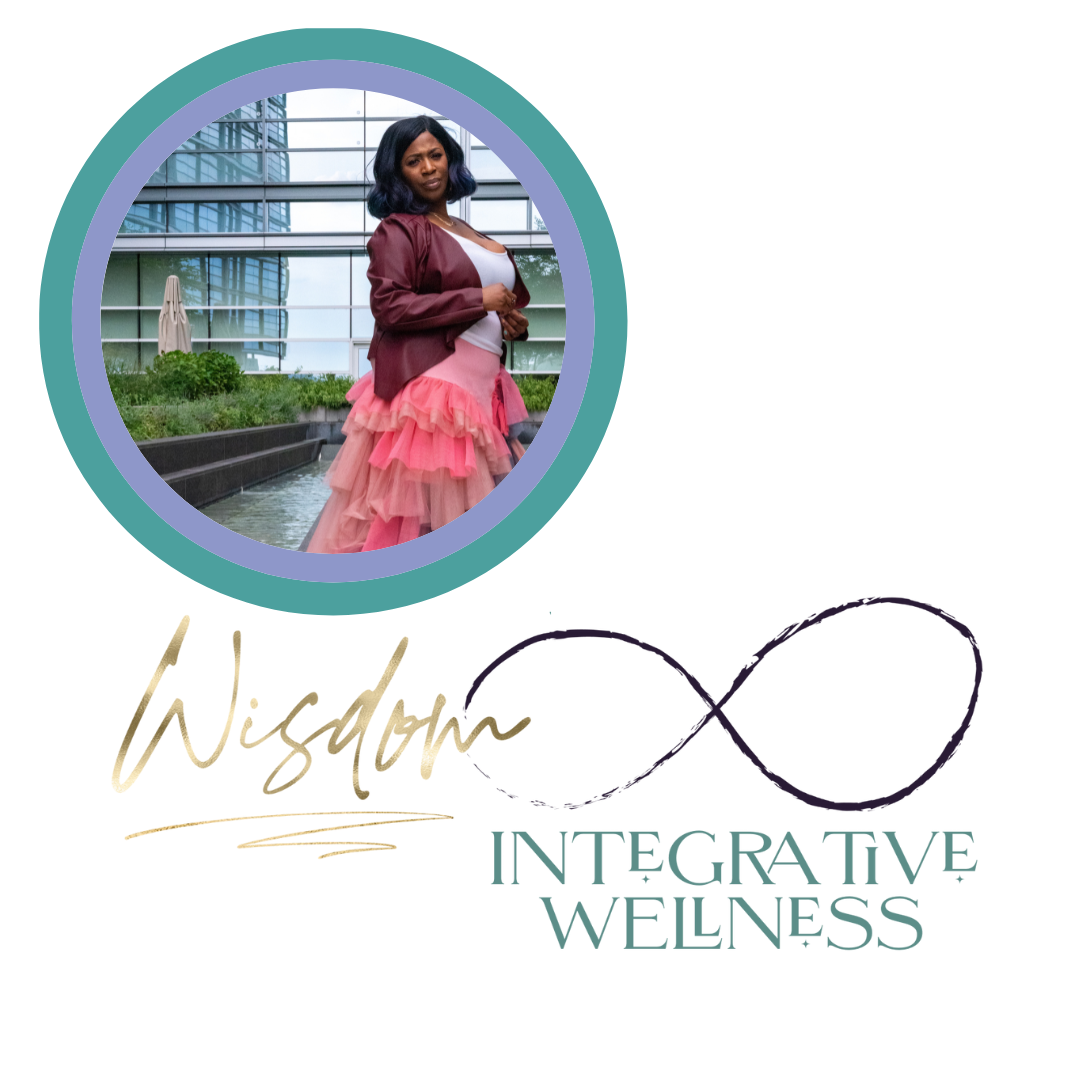
For high-achieving girls, the early school year can expose the gap between strong skills and available capacity. A student may begin organized and motivated, then feel scattered as assignments, activities, friendships, sleep changes, and social pressures compete for the same internal resources. The skill may still be there, but access to it may have changed.
Ambitious women can experience a similar pattern as year-end goals intensify. Work demands, family responsibilities, stress, decision fatigue, and physical changes can affect focus and follow-through. Melissa Brisbane encourages people to view these shifts as information rather than personal failure. “A change in output is information. Before deciding what it means about you, ask what changed.”
This perspective can be especially relevant for neurodivergent girls and women. Melissa emphasizes that focus, energy, regulation, and follow-through may vary with sleep, stress, workload, sensory conditions, emotional demands, physical state, hormonal shifts, and available support.
That distinction sets Capacity Compass apart from conventional productivity approaches. Instead of immediately prescribing more discipline or tighter planning, the framework asks whether a person can currently access the physical, neurological, emotional, and environmental resources a task requires. Capacity Compass is an educational and coaching-oriented framework designed to support awareness and practical self-management.
The RADAR Protocol For Sustainable Performance
Capacity Compass includes the RADAR Protocol: Read, Assess, Design, Act, Reassess. The sequence is simple by design. First, read the current state. What is happening in the body, schedule, environment, emotions, and available support? Next, assess the demand. What does the task actually require: sustained attention, emotional steadiness, social energy, memory, sensory tolerance, time estimation, or initiation? Then design a response that fits the current capacity. That might mean changing the sequence, reducing friction, adding support, adjusting the environment, choosing a different time, or building in recovery. After acting, reassess. Did the strategy match the actual conditions?
The method pushes against the reflex to demand more effort the moment output drops. “The goal is not to lower expectations. The goal is to notice the mismatch early enough to respond differently,” Melissa explains. That distinction is designed to support ambition while making the way people pursue it more sustainable. A high-achieving girl does not need to be told that she is less capable because her system is overloaded. A founder does not need to interpret fatigue as failure. A professional woman does not need to confuse changing access with changing identity.
Melissa often uses a practical image: “You would never expect a car to complete a long trip without checking the fuel, the warning lights, and the conditions. Yet high-achieving women are taught to expect exactly that from their bodies.” The metaphor lands because it exposes how harsh many achievement norms have become. People are taught to monitor calendars, grades, metrics, and obligations, while ignoring the signals that determine whether those plans are usable.
Wisdom Integrative Wellness brings a nervous system first perspective to this conversation. Its philosophy emphasizes body based information, strategic rest, cyclical variability, and sustainable performance rather than constant self override. Melissa’s training through the Project Zero Summer Institute at Harvard Graduate School of Education, the New & Aspiring Leaders Fall Cohort, Harvard Graduate School of Education, and the Integrative Lifestyle and Health Practitioner Program through the Andrew Weil Center for Integrative Medicine at the University of Arizona adds further depth. She understands learning, development, leadership, health behavior, systems, and human variability as connected pieces of the same performance puzzle.
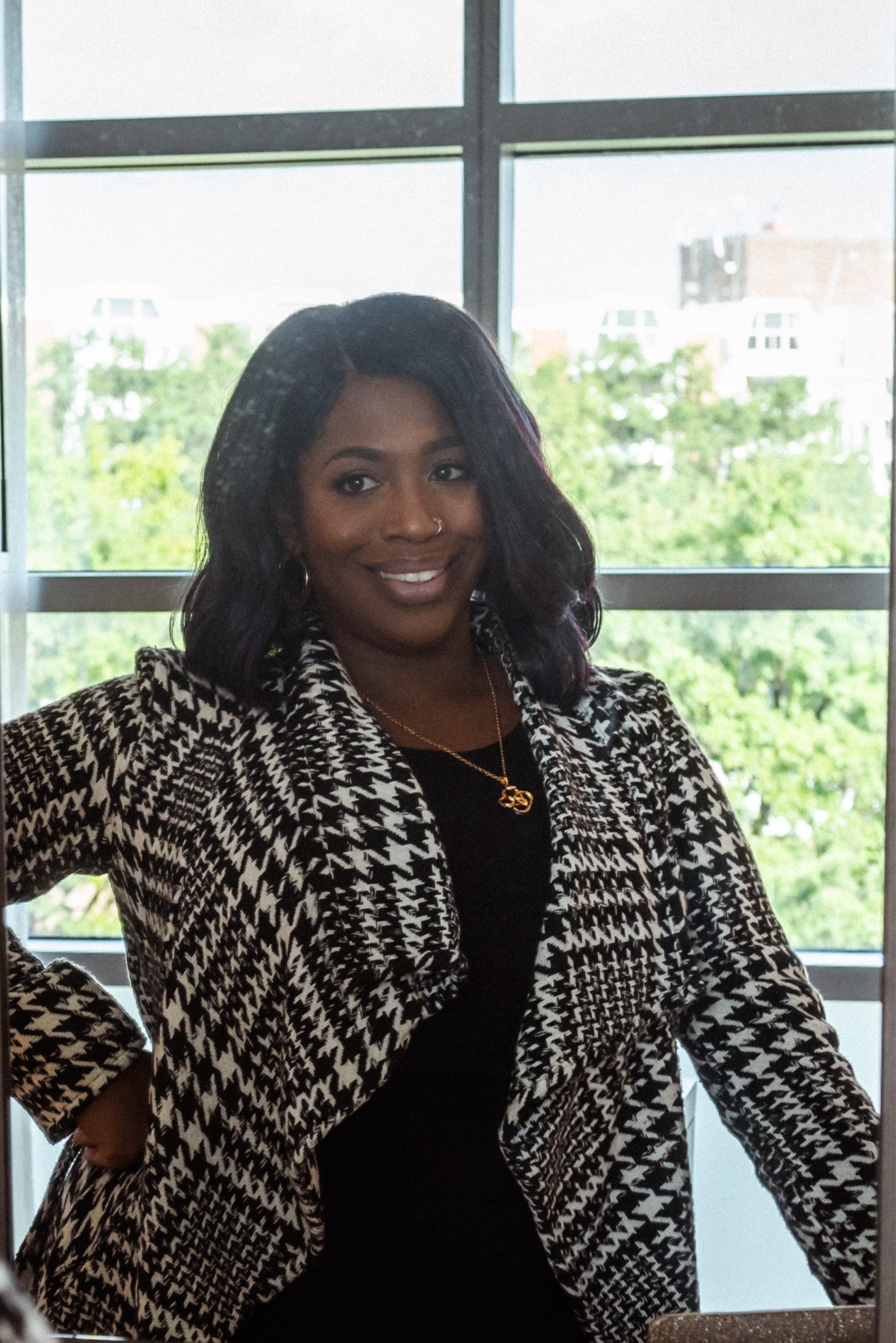
Wisdom Integrative Wellness And A New Performance Map
The launch of Capacity Compass offers families and professionals a framework for recognizing changes in available capacity before those changes are automatically interpreted as failure. For families, the first signs of school year strain can become a valuable early signal rather than a crisis discovered at midterms. For women in business and leadership, periods of increased pressure can become opportunities to map resources before pushing harder.
Melissa’s introductory workshop, Map It Before You Push Through It, introduces participants to the difference between capability and capacity, the Capacity Check-In, and the RADAR Protocol.
The broader point is not to reduce standards or retreat from meaningful goals. It is to stop treating human capacity as fixed. Capacity Compass gives language to the experience so many high-achieving girls and women have lived but struggled to explain. They can be brilliant and overloaded. Skilled and temporarily under-resourced. Committed and dysregulated. Capable and not presently able to access the level of output they expect from themselves.
“Inconsistency can be information,” Melissa says. In a culture quick to label inconsistency as failure, that sentence offers relief and responsibility in equal measure. Relief, because variable performance does not automatically mean variable intelligence, ambition, commitment, or worth. Responsibility, because the next step is not denial. It is observation. It is mapping. It is designing a response based on the conditions that exist, not the conditions one wishes existed.
Map Capacity Before Pushing Harder
For readers who recognize the question “Why could I do it last week...and not this week?” Wisdom Integrative Wellness offers a more compassionate and practical starting point. Explore Melissa Brisbane’s Capacity Compass work, learn how RADAR helps translate changing conditions into clearer choices, and visit the Map It Before You Push Through It workshop replay page to explore an approach to high standards built around better information, stronger self trust, and greater awareness of how capacity can change.
Connect with Wisdom Integrative Wellness, Melissa Brisbane on LinkedIn, the Map It Before You Push Through It workshop, Instagram, and YouTube.
Women’s Insider Contributor
Emily R. Parker
Emily R. Parker is a lifestyle and business writer with a focus on wellness, career development, and modern leadership. Her articles highlight real-world strategies for women balancing ambition and well-being.
This article features partner, contributor, or branded content from a third party. Members of the Women’s Insider editorial staff were not involved in the creation of this content. All views and opinions are those of the contributor alone.
Related Posts

Clear Mind Utah Reframes Chronic Stress

Strawberry Flowers: How Katrina Frazier Turned a Life Changing Vision Into a Romantic Fashion House
Women Are Cyclical. Why Is Their Nutrition Still Static?
Rosalyn Casas Builds Serenity After the Storm
The Voice Effect: How Singing Rewires Our Lives