The U.S. beauty and fashion retail industry is showing renewed momentum in 2026, with major brands and retailers announcing aggressive expansion plans, new product launches, and broader investments in physical stores despite ongoing economic uncertainty. The developments highlighted on May 14 reflect how beauty, wellness, and lifestyle spending continue to remain priorities for many American consumers.
Retail analysts say the growth is particularly significant for women-focused sectors such as skincare, cosmetics, fragrance, wellness products, and fashion accessories. Industry leaders are increasingly blending digital shopping experiences with in-store engagement to attract shoppers seeking convenience, personalization, and experiential retail.
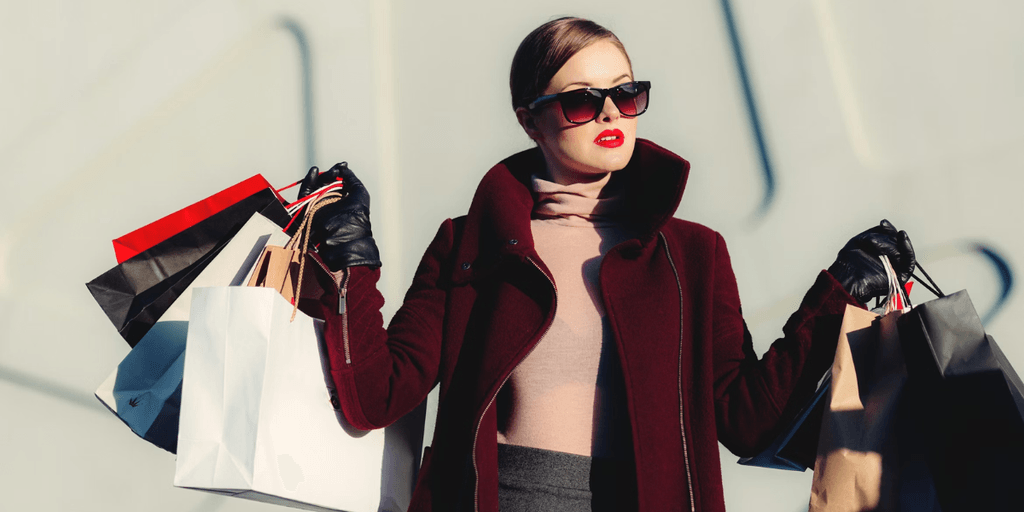
One of the biggest retail trends gaining attention this month is the rapid increase in planned store openings across the United States. More than 900 stores are expected to open nationwide in 2026, including expansions from major retailers and specialty beauty and fashion chains.
Beauty-focused retailers are among the companies leading that expansion. Several fragrance, skincare, and wellness brands are increasing their physical retail presence in the U.S. market. Companies are prioritizing direct engagement with consumers through boutique locations, in-store experiences, and pop-up activations designed to strengthen brand loyalty.
Analysts believe the strategy reflects changing consumer expectations. While online shopping remains important, many shoppers still prefer to test beauty products in person, especially skincare, fragrance, and cosmetics. Retailers are responding by redesigning stores to feel more interactive and wellness-oriented.
The beauty industry’s financial performance has also contributed to the wave of expansion. U.S. beauty sales continued to grow steadily during the first quarter of 2026, with prestige beauty sales reaching approximately $8.1 billion. Mass-market beauty sales also increased during the same period, signaling strong demand across multiple income groups.
Skincare and fragrance continue to outperform several other retail categories, particularly among younger consumers and professional women seeking products tied to wellness, self-care, and personal expression. Industry experts say consumers increasingly view beauty purchases not only as cosmetic investments but also as part of broader lifestyle and confidence-building routines.
At the same time, beauty trends themselves are evolving rapidly in 2026. Consumers are moving toward more expressive makeup styles, colorful cosmetic products, and hybrid beauty items that combine skincare and makeup benefits. The shift reflects growing interest in individuality and creative self-expression rather than uniform beauty standards.
Several companies are also adapting their leadership and branding strategies to remain competitive in the changing market. Beauty industry coverage published this week noted executive leadership changes and new digital expansion efforts among major brands seeking stronger connections with younger audiences. Retailers are increasingly using social commerce, influencer collaborations, and app-based shopping experiences to complement their physical stores.
Fashion and beauty businesses are also embracing technology and artificial intelligence to streamline customer service, personalize recommendations, and improve inventory management. Many fashion and luxury companies now consider AI integration a core business necessity rather than an experimental tool.
For women consumers, the expanding market offers more choices across beauty, wellness, and fashion categories. Experts say brands are increasingly focusing on inclusivity, flexible pricing, and products designed for different age groups, lifestyles, and skin types. This broader approach has helped brands reach audiences beyond traditional luxury shoppers.
Industry observers also note that beauty and wellness remain resilient even when consumers become more selective about spending. Rather than abandoning beauty purchases altogether, shoppers are prioritizing products they see as high-value, multifunctional, or emotionally uplifting.
That consumer behavior is shaping many of the biggest retail strategies unfolding this year. From premium skincare launches to expanded store footprints and wellness-inspired shopping experiences, companies are investing heavily in categories that continue to resonate with women balancing career, lifestyle, and personal care priorities.
The ongoing expansion of beauty and fashion retail in 2026 signals confidence in the sector’s long-term growth potential. While broader retail markets still face pressure from inflation, changing shopping habits, and competition from e-commerce platforms, beauty and wellness brands appear to be adapting more successfully than many other industries.
For consumers, the trend means greater accessibility to new products, improved shopping experiences, and wider availability of brands across the country. For the industry itself, it marks a pivotal year in which beauty, wellness, and fashion continue evolving into interconnected lifestyle categories with lasting influence on American retail culture.
Women’s Insider Contributor
Emily R. Parker
Emily R. Parker is a lifestyle and business writer with a focus on wellness, career development, and modern leadership. Her articles highlight real-world strategies for women balancing ambition and well-being.
This article features partner, contributor, or branded content from a third party. Members of the Women’s Insider editorial staff were not involved in the creation of this content. All views and opinions are those of the contributor alone.