




Fit by Food helps women understand the deeper patterns behind overeating and build a healthier relationship with food.
Many women spend years trying to improve their eating habits. They read nutrition articles, save healthy recipes, follow wellness influencers, and learn exactly what they should be eating.
Yet despite having more information than ever before, many continue to find themselves overeating, eating when they are not physically hungry, or returning to the same patterns they promised themselves they would change.
This experience has led many educators and health professionals to explore a broader question: what if overeating is not simply a matter of nutrition knowledge, but also involves habits, emotional patterns, self-awareness, daily routines, and the way individuals relate to their bodies?
Fit by Food was created to help women explore these questions through educational resources that combine nutrition, behavior change, self-reflection, and personal awareness.
Looking Beyond Food Choices
Women today have access to more nutrition information than any previous generation.
Healthy recipes, meal plans, podcasts, books, and expert advice are available within seconds. Yet despite this abundance of information, many women still find themselves struggling with overeating, emotional eating, or feeling out of control around food.
This disconnect has prompted a broader conversation about eating behavior.
While nutrition remains an important piece of the puzzle, many educators and health professionals now recognize that eating habits are influenced by far more than food choices alone. Stress, routines, emotional patterns, body awareness, personal beliefs, and learned coping mechanisms can all play a role in shaping a person’s relationship with food.
For Alva Roos, founder of Fit by Food, this realization became a turning point in her own journey.
“Food was never my biggest problem. My relationship with food was.”
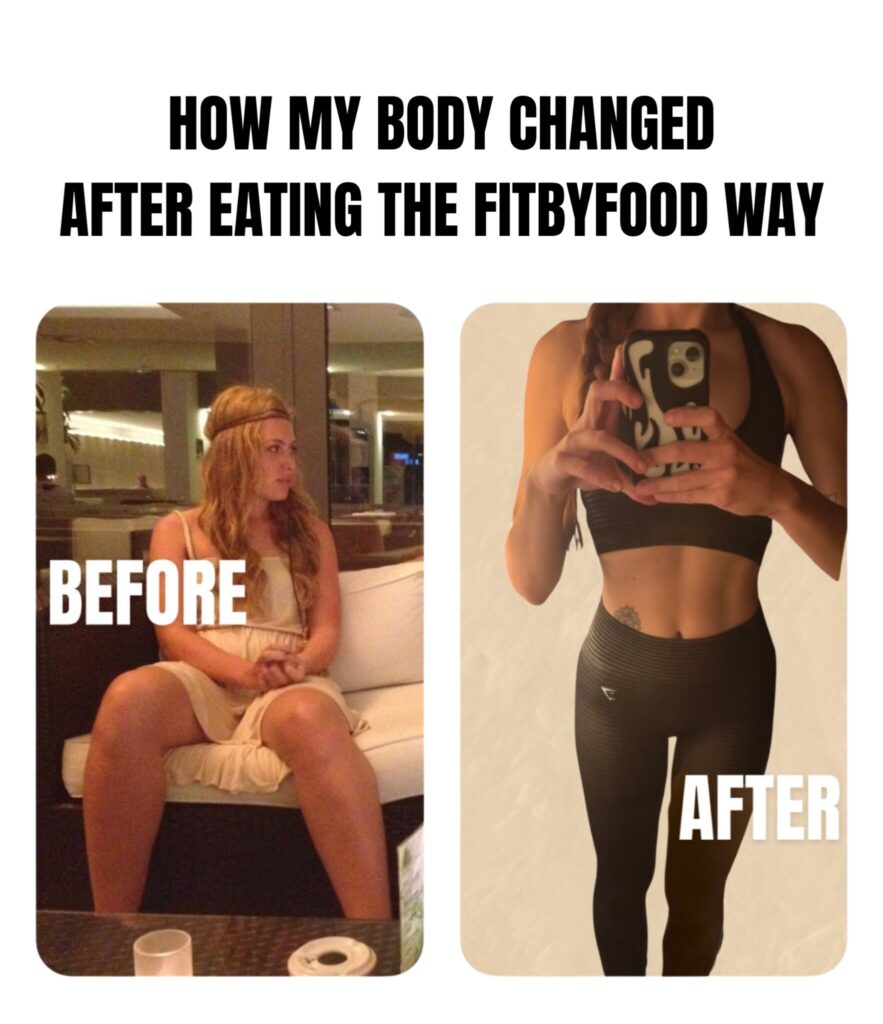
Over time, this shift in perspective helped Roos lose more than 20 kilograms while developing a healthier and more sustainable relationship with food.
That experience eventually led to the creation of Fit by Food. What began as a personal search for answers gradually evolved into an educational platform focused on helping other women better understand the patterns behind their eating habits.
Understanding Common Eating Patterns
One of the reasons overeating can be difficult to address is that it rarely has a single cause.
For some women it emerges during periods of stress or emotional overwhelm. For others it develops through years of dieting, restriction, or learned habits around food. In many cases, several factors interact at once.
Understanding these patterns has become an important area of interest for educators and health professionals seeking to better understand eating behavior.
An Educational Approach To Nutrition
While many programs focus primarily on calorie control, Fit by Food takes a different educational approach.
One of the ideas that makes the platform different is its emphasis on abundance rather than restriction. Instead of encouraging women to eat less and rely on constant willpower, Fit by Food explores how nutrient-dense, high-volume foods can help support satiety, energy levels, and long-term adherence.
The approach is based on the idea that food can influence hunger, cravings, energy levels, digestion, and overall wellbeing, making it easier to create change without relying exclusively on discipline.
The platform also explores how behavior, nervous system regulation, self-awareness, and daily habits interact with nutrition, recognizing that lasting change is often shaped by the relationship between mind, body, and environment.
Resources Designed For Self-Reflection
Rather than offering a single solution, Fit by Food provides an educational ecosystem designed to help women better understand their relationship with food from multiple angles.
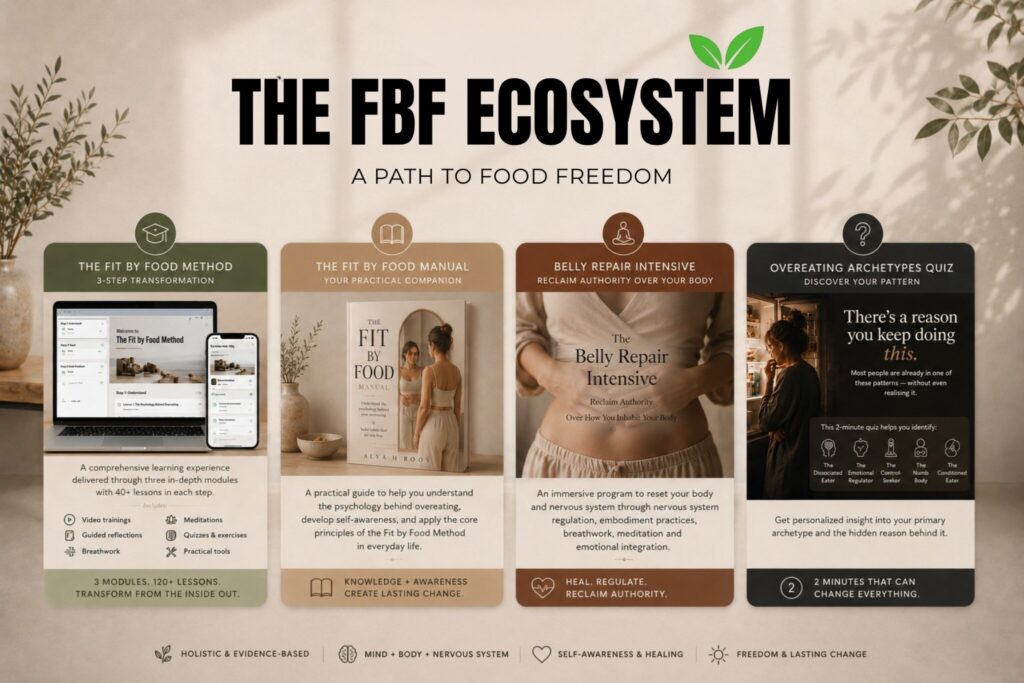
The ecosystem includes the Overeating Archetypes Quiz, the Fit by Food Method, the Fit by Food Manual, and the Belly Repair Intensive.
Together, these resources explore nutrition, behavior change, emotional eating, nervous system regulation, body awareness, and self-reflection while supporting women in creating lasting change from a place of understanding rather than willpower alone.
Each resource offers a unique entry point into that process, ranging from self-assessment and education to guided practices and deeper exploration of eating behaviors.
Continuing The Conversation Around Food And Awareness
As understanding of eating behavior continues to evolve, many educators and health professionals are exploring broader approaches to health and wellbeing.
Increasing attention is being given to factors such as behavior change, emotional awareness, nervous system regulation, and the role daily habits play in long-term outcomes.
This shift reflects a growing recognition that lasting change often involves more than knowledge alone. Understanding how people think, feel, and respond to their environments may be just as important as understanding nutrition itself.
Through its educational resources, Fit by Food aims to contribute to this broader conversation and encourage greater awareness around the many factors that shape a person’s relationship with food.
Learn More About Fit By Food
Individuals interested in exploring Fit by Food’s educational resources can visit FitByFood to learn more about the platform and its approach to nutrition education. Readers can also take the Overeating Archetypes Quiz, explore educational modules, and learn more about the Belly Repair Intensive program.
Additional educational content, updates, and wellness resources are available through Fit by Food’s Facebook community and YouTube channel. For questions or general inquiries, contact [email protected].
