




Core Aesthetics is bringing a consultation first philosophy to cosmetic care, placing assessment and informed decision making at the centre of every patient conversation.
The first question at Core Aesthetics is not about treatment.
It is not about trends, timelines, or what procedure someone may have seen online. Instead, the conversation begins somewhere far more important: is treatment appropriate at all?
That question sits at the heart of Core Aesthetics, a single practitioner clinic in Oakleigh led by Corey Anderson RN. In an environment where cosmetic care is often discussed through the lens of results and rapid decision making, Anderson has built his clinic around a different principle. Assessment comes first. Every other decision follows from there.
For patients, that distinction can change the entire consultation experience.
A Different Starting Point
Many people seeking cosmetic consultations arrive with a specific concern. They may have spent weeks researching online, comparing information, or considering possible options. By the time they book an appointment, they often expect the discussion to focus on what can be done.
At Core Aesthetics, the consultation starts with understanding why.
Anderson personally conducts every consultation, allowing him to assess each situation in its full context. Facial structure, skin quality, movement, medical history, previous treatments, medications, allergies, expectations, timing, and consent readiness all form part of the discussion.
The objective is not to work backwards from a treatment. It is to determine whether treatment should be considered at all.
“A good consultation is not measured by whether treatment happens,” says Anderson. “It is measured by whether the decision is appropriate.”
Why Slowing Down Matters
One of the defining characteristics of Core Aesthetics is its willingness to slow the process down.
That may sound simple, but it reflects a broader philosophy about patient care. Anderson believes responsible cosmetic practice requires time for discussion, reflection, and informed consent. Not every concern requires an immediate decision, and not every consultation leads to treatment.
In some cases, the most appropriate recommendation may be future planning. In others, it may involve waiting, reassessment, referral to another healthcare professional, or deciding not to proceed.
“Sometimes the most responsible recommendation is to wait, reassess or not treat,” Anderson says. “That is not hesitation. That is clinical judgement.”
This emphasis on restraint is intentional. It reflects a belief that good healthcare is not defined by how quickly decisions are made but by how carefully they are considered.
The Importance Of Knowing Your Practitioner
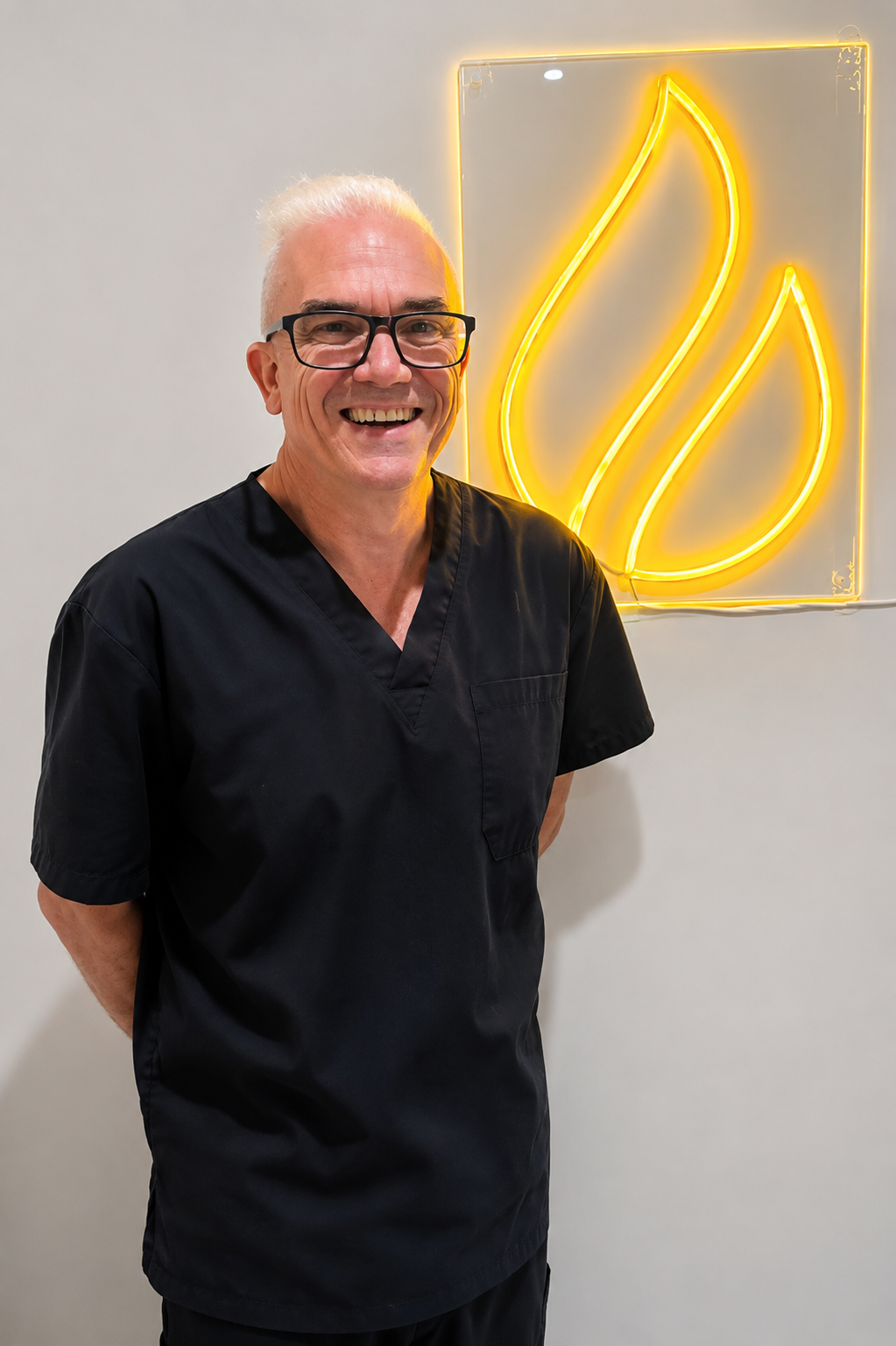
Beyond consultation and assessment, Core Aesthetics also encourages patients to take an active role in evaluating the professionals they choose to consult.
Anderson has maintained Ahpra nursing registration since January 1996 under registration number NMW0001047575. He encourages prospective patients to verify practitioner registration through the Ahpra public register before booking with any cosmetic healthcare provider.
The recommendation is part of a broader commitment to transparency and patient education.
In an era where information is abundant but often difficult to evaluate, understanding a practitioner’s qualifications and registration status can help individuals make more informed healthcare decisions.
For Anderson, patient due diligence is not an optional extra. It is an important part of the decision making process.
Continuity In An Increasingly Complex Landscape
Another factor that distinguishes Core Aesthetics is its single practitioner model.
Patients work directly with Anderson throughout their consultation experience rather than moving between multiple providers. This continuity allows conversations to develop over time and ensures recommendations are based on a comprehensive understanding of each individual’s circumstances.
The model also supports one of the clinic’s core beliefs: people deserve clear information before making decisions about their care.
“I want patients to leave a consultation feeling clearer, better informed and less rushed, whether they proceed with treatment or not,” Anderson explains.
That clarity often becomes more valuable than any immediate outcome. It gives patients the opportunity to understand their options, ask questions, and make decisions at a pace that feels appropriate for them.
Consultation As A Safeguard
At the centre of Core Aesthetics is a belief that consultation is more than an introduction to treatment. It is a safeguard.
Through his C.O.R.E. Method, Consult, Organise, Refine and Evaluate, Anderson has created a framework designed to encourage thoughtful decision making rather than automatic progression toward treatment. The process focuses on understanding concerns, organising relevant information, refining plans where appropriate, and evaluating decisions over time.
The philosophy reflects a simple but increasingly relevant idea: the ability to recommend waiting, referral, or no treatment can be just as important as the ability to recommend treatment.
For patients seeking cosmetic consultations, that perspective offers something increasingly valuable. Time to think. Space to ask questions. And guidance grounded in assessment rather than assumption.
Where Informed Decisions Come First
Core Aesthetics was built for people who want more than a quick answer. It is for those who value careful assessment, informed consent, transparent communication, and continuity with one practitioner throughout the process.
By placing consultation before any treatment decision, Corey Anderson RN has created a clinic centred on clarity rather than urgency. For many patients, that may be the most important service of all.
To learn more, visit https://coreaesthetics.com.au or explore the clinic’s approach through Instagram, Facebook, and its inclusivity resources.
