Women’s health and wellness initiatives gained renewed national attention on May 24, 2026, as healthcare providers, employers, and wellness organizations across the United States announced expanded programs focused on preventative care, mental wellness, and long-term healthy living. The growing emphasis on women-centered healthcare reflects increasing consumer demand for accessible wellness resources that support both physical and emotional well-being.
Healthcare analysts report that women are becoming more proactive about preventative health strategies, including routine screenings, stress management, nutrition planning, and fitness programs. Hospitals, wellness companies, and digital health platforms are responding by offering more personalized services aimed at helping women manage increasingly busy professional and personal lives.
Several major healthcare systems introduced expanded wellness campaigns this week that focus on education, early prevention, and healthy lifestyle habits. Many of these initiatives include virtual consultations, nutrition guidance, fitness support, and wellness tracking tools designed to improve long-term health outcomes.
Industry experts say mental wellness continues to be one of the fastest-growing priorities among women consumers. Wellness organizations reported higher engagement with mindfulness programs, therapy resources, stress reduction workshops, and sleep improvement content throughout early 2026. Health professionals attribute this trend to increased awareness about the connection between emotional wellness and overall physical health.
Workplace wellness programs also played a major role in today’s developments. Employers across multiple industries are expanding benefits related to mental health support, flexible scheduling, and wellness education. Human resource specialists say companies increasingly recognize that employee well-being contributes to productivity, retention, and workplace satisfaction.
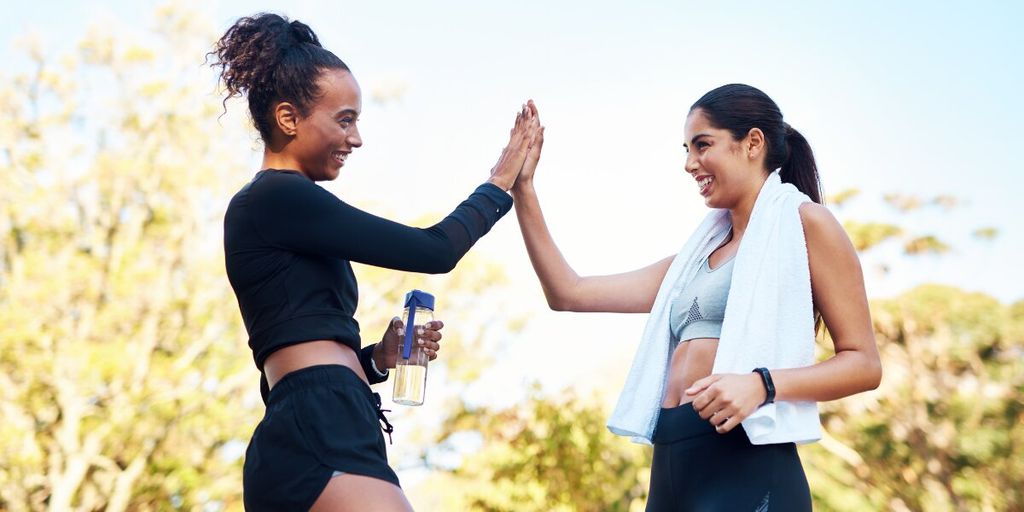
Fitness and nutrition companies are also adapting to evolving consumer preferences. Rather than promoting short-term trends, many wellness brands are emphasizing sustainable routines and balanced lifestyles. Experts speaking at recent health conferences encouraged women to focus on realistic exercise habits, healthy eating patterns, and consistent self-care practices rather than extreme wellness approaches.
Digital health platforms continue seeing significant growth as more women seek convenient access to trusted wellness information. Mobile apps and online communities now offer services ranging from guided workouts and meditation sessions to healthy meal planning and habit tracking. Analysts say digital accessibility has made wellness support more practical for women balancing careers, parenting responsibilities, and personal goals.
Preventative healthcare education has become another major focus within women-centered wellness campaigns. Medical professionals are encouraging women to prioritize routine checkups, cardiovascular health awareness, and healthy aging practices. Public health advocates note that early education and preventative care can contribute to improved long-term wellness outcomes and stronger quality of life.
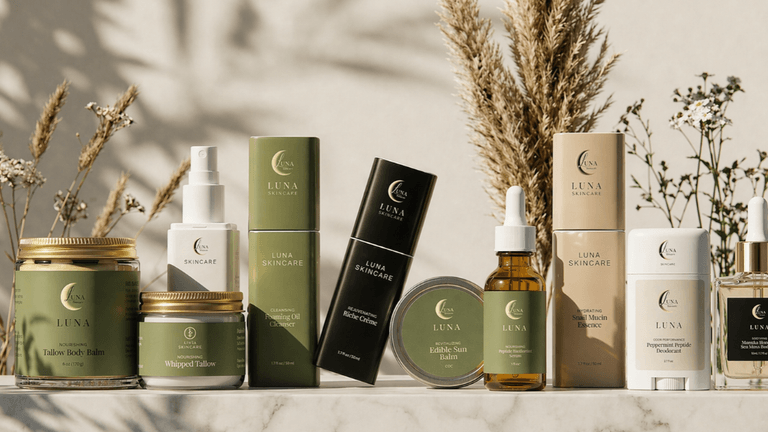
Beauty and skincare companies are increasingly aligning with the broader wellness movement as well. Many brands introduced campaigns this month centered on skin health, hydration, sun protection, and simplified self-care routines. Industry analysts say consumers are showing greater interest in products connected to overall well-being rather than purely cosmetic marketing.
Relationship wellness and emotional balance were also prominent topics across women-focused media platforms this week. Licensed counselors and wellness experts published guidance on communication, emotional resilience, and maintaining supportive personal relationships. Readers continue seeking practical advice that supports healthier daily routines and emotional stability.
Meanwhile, women entrepreneurs in the health and wellness space are gaining increased recognition for developing innovative products and services. Female-founded businesses specializing in wellness technology, fitness coaching, nutritional products, and self-care education have attracted growing consumer interest throughout 2026. Business analysts say women entrepreneurs are helping reshape the wellness industry through more community-focused and accessible approaches.
Fashion brands have also responded to the broader wellness movement by expanding activewear and comfort-focused collections. Retail experts report that consumers continue prioritizing versatility, comfort, and functionality in clothing purchases, particularly as hybrid work environments remain common across many industries.
Healthcare professionals participating in recent national wellness forums emphasized that long-term health improvements often begin with small, manageable habits. Experts encouraged consumers to prioritize sleep quality, hydration, physical activity, and stress reduction while avoiding unrealistic expectations promoted through social media trends.
The growing popularity of women-focused wellness content highlights a broader cultural shift toward balance, sustainability, and self-improvement. Readers increasingly value educational articles and expert-backed guidance that help them make informed decisions about health, career development, relationships, and lifestyle choices.
As wellness industries continue evolving throughout 2026, analysts expect women-centered healthcare and lifestyle programs to remain an important area of growth. Companies and organizations that prioritize authenticity, accessibility, and evidence-based information are likely to continue building strong connections with audiences seeking trustworthy wellness support.
For many women across the United States, the latest developments reflect an encouraging shift toward more comprehensive and supportive approaches to health and personal well-being. From mental wellness resources and preventative care programs to balanced fitness strategies and self-care education, today’s wellness initiatives continue helping women navigate modern life with greater confidence and awareness.
Women’s Insider Contributor
Natalie J. Brooks
Natalie J. Brooks covers small business, branding, and digital culture. She brings a practical, accessible voice to topics that matter most to today’s women.
This article features partner, contributor, or branded content from a third party. Members of the Women’s Insider editorial staff were not involved in the creation of this content. All views and opinions are those of the contributor alone.
Related Posts
The Woman To Woman Podcast: What Happens When Two Best Friends Stop Playing It Safe?
Academy Of Clinical Hypnotherapy Raises The Bar
Photo Club Makes Art Collecting Finally Accessible
From Desert Living to Desert Sunday Co.: How Heather Paige Turned Her Love of Fashion Into a Boutique
The Swiss Colombo Method for Women Over 45