Women’s health and wellness took center stage this week following the launch of a major international initiative designed to address longstanding gaps in research, education, and support for female athletes. The development is drawing attention far beyond the sports world, highlighting broader conversations about women’s health, access to information, and the importance of evidence-based resources tailored specifically to women.
On June 1, FIFA announced the launch of its Female Health and Performance Project, a comprehensive educational platform aimed at improving understanding of female physiology, health, well-being, and performance. The initiative includes 30 educational modules covering 13 key topics, ranging from nutrition, sleep, recovery, and injury prevention to pregnancy, postpartum health, fertility, and menopause.
The project was developed in response to a significant research gap that has existed for decades. According to FIFA, only a small percentage of sports science studies have focused exclusively on women, resulting in many female athletes being trained using methods originally developed based on research involving men. Experts involved in the initiative say that expanding female-specific knowledge can help improve health outcomes, athletic performance, and overall well-being.
The new educational platform is designed for a broad audience that includes athletes, coaches, parents, medical professionals, and sports organizations. Organizers say the goal is not only to improve performance in sports but also to encourage open conversations around women’s health topics that have historically received limited public attention.
The initiative arrives during a period of growing awareness about the importance of personalized health information for women. Across healthcare, fitness, and wellness industries, experts have increasingly emphasized that women often experience unique physiological changes and health considerations throughout different stages of life. As a result, demand has increased for resources that address these needs through evidence-based education and research.
One of the most notable aspects of the project is its inclusion of topics that are frequently underrepresented in mainstream discussions. Menstrual health, pregnancy, postpartum recovery, pelvic health, fertility, and menopause are among the subjects covered through educational modules intended to provide practical and scientifically grounded information.
Health advocates have long argued that improving awareness of these topics can help women make more informed decisions about their well-being while reducing stigma surrounding natural biological processes. Greater access to accurate information may also help individuals recognize when professional medical guidance is needed and encourage more productive conversations with healthcare providers.
The launch also reflects a broader trend toward women-centered wellness initiatives. In recent years, organizations across various sectors have invested in research, education programs, and awareness campaigns focused on addressing disparities in women’s health knowledge. These efforts aim to ensure that women have access to information that reflects their specific experiences and needs.
For many women, the growing availability of specialized health resources represents a positive shift. Historically, discussions around female health concerns were often limited or overlooked, leaving many individuals without sufficient information to navigate important life stages and health decisions. Educational initiatives such as this one seek to bridge those gaps by making expert-backed knowledge more accessible.
The emphasis on wellness extends beyond physical health. Researchers increasingly recognize the connection between physical well-being, mental health, confidence, and quality of life. Better understanding of sleep, recovery, nutrition, and overall health management can contribute to stronger outcomes in both professional and personal settings.
Women’s wellness continues to be an important topic as workplaces, schools, sports organizations, and healthcare providers explore new ways to support long-term health. The expansion of educational programs dedicated to female-specific health needs demonstrates growing recognition that women benefit from resources developed with their experiences in mind.
As conversations about health equity and personalized wellness continue to evolve, initiatives like FIFA’s Female Health and Performance Project may help encourage greater awareness and understanding among women worldwide. By providing accessible, research-based information on topics that affect millions of women, the program represents another step toward improving health education and empowering individuals to make informed decisions about their well-being.
For readers interested in wellness, self-development, and long-term health, the initiative serves as a reminder of the importance of seeking credible information and staying informed about emerging research focused on women’s unique health needs. As more organizations invest in female-centered health education, women may gain greater access to the knowledge and support needed to thrive at every stage of life.
Women’s Insider Contributor
Lauren E. Whitman
Lauren E. Whitman covers women in business, lifestyle trends, and personal growth. Her work focuses on practical insights that help readers navigate modern careers and everyday life.
This article features partner, contributor, or branded content from a third party. Members of the Women’s Insider editorial staff were not involved in the creation of this content. All views and opinions are those of the contributor alone.
Related Posts
Jamison Kaufman Rediscovers The Art Of Storytelling Through Color, Light, And Everyday Beauty
Marc Denys And Pearl Project Music® Turn Women Empowerment Into A Soundtrack Of Courage And Unity
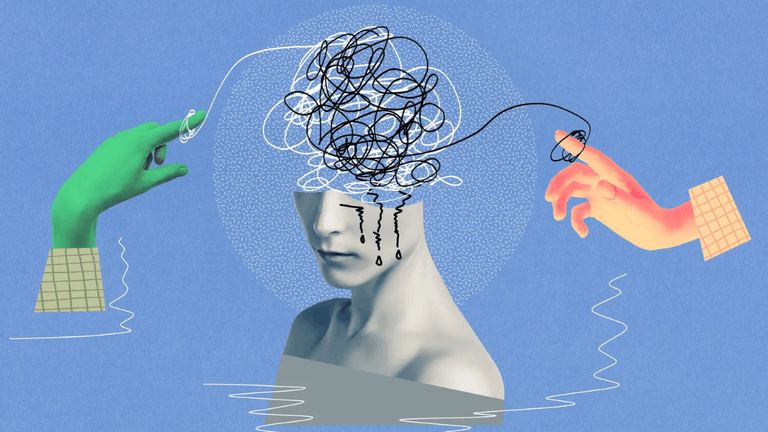
Why Women’s Health Should Include Sleep, Stress, Mobility, and Mental Well-Being, Not Just Routine Checkups
Dawn Michelle Castrataro Redefines Impact Through Authenticity
AskSAMIE Makes Accessibility Guidance Easy To Find