



A classroom can appear complete on paper while still failing the students inside it.
For many students with disabilities, that gap between policy and lived experience continues to shape their educational journey.
For Yasmin Atwal, an 19-year-old disability rights advocate, TEDx speaker, and author, that disconnect became increasingly difficult to ignore through years of engagement with disability communities in Canada. Students who are blind, deaf, neurodivergent, or living with developmental disabilities are present in schools, yet accessibility and meaningful inclusion are not always consistently implemented in practice.
That observation became the foundation of her work in disability-inclusive education.
Building A Practical Approach To Inclusion
Atwal founded the National Accessible Schools Initiative to address the gap between inclusive education policy and classroom implementation. The initiative focuses on translating accessibility principles into practical tools that schools can apply in real-world environments.
Her approach is informed by accessibility standards, human rights frameworks, and inclusive education research, alongside consultations with educators, students with disabilities, school administrators, and accessibility professionals.
From this foundation, she developed a Disability Inclusion Toolkit designed to support schools in improving accessibility practices. The toolkit outlines approaches for physical accessibility, inclusive classroom strategies, disability awareness education, and student participation initiatives that encourage engagement across school communities.
Rather than remaining at the level of policy language, the resource emphasizes implementation and adaptability within different school contexts.
Recognition and Awards
Atwal’s impact has also been formally recognized through the Top Youth Human Rights Leader in Canada of 2026 award, presented by Evergreen Awards. The recognition honors her leadership in disability rights advocacy, inclusive education reform, and youth-led human rights initiatives across Canada and internationally. It reflects her measurable contributions to improving accessibility in education, the development of practical inclusion tools such as the National Disability Inclusion Toolkit, and her sustained engagement with disability communities. She was also awarded the Rick Hansen Foundation Difference Maker of the Year Award for 2026 and Top 20 under 20 for Global Impact.
Addressing The Gap Between Policy And Practice
A recurring challenge in inclusive education is the gap between established policy and consistent execution. While many education systems have accessibility guidelines in place, implementation can vary significantly across schools and regions.
Atwal’s work focuses on strengthening the practical application of inclusion by encouraging structured approaches to accessibility and ongoing evaluation of school environments.
Her framework positions accessibility as an operational responsibility within education systems rather than a supplementary initiative.
To further support implementation, Atwal also developed and launched a youth-led online certificate course titled “Accessibility, Disability Rights & Legal Literacy in Education.” The course focuses on disability inclusion, accessible education, and legal literacy through evidence-based educational content and implementation tools.
Built around the 81-page National Disability Inclusion Toolkit, the course provides practical training modules for educators, school leaders, mentors, students, and policymakers. Topics include accessibility law, inclusive classroom practices, accommodation strategies, and student leadership in accessibility advocacy.
Engagement Beyond The Classroom
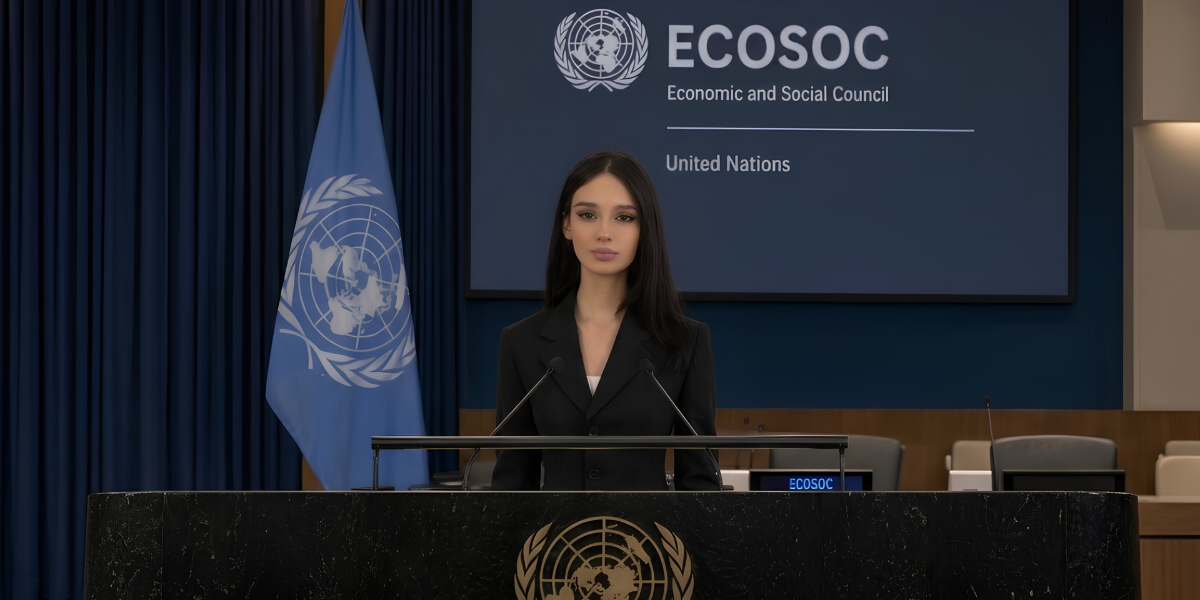
Atwal has also contributed to broader discussions on disability rights and inclusive education through speaking engagements in youth and education-focused forums. These platforms have included conversations around accessibility, education reform, and human rights frameworks related to disability inclusion.
Her participation reflects a growing emphasis on youth perspectives in shaping discussions on education equity and accessibility.
Community-Based Accessibility Efforts
Alongside her education-focused advocacy, Atwal has participated in community initiatives supporting accessibility in non-academic environments, including programs connected to adaptive arts and rehabilitation services for individuals with disabilities.
She is also the co-founder of Women STEM Mentorship, an organization launched in 2023 that focuses on supporting women and girls of all abilities, including those with visible and invisible disabilities or neurodivergence, in pursuing careers in science, technology, engineering, and medicine.
Through e-mentoring, career development initiatives, and industry partnerships, the organization works to bridge the gender gap in STEM by providing young women with mentorship, guidance, and educational opportunities needed to navigate traditionally male-dominated industries.
Women STEM Mentorship is committed to creating inclusive mentorship opportunities, encouraging disability representation in STEM leadership, promoting equitable access to education and networking, building safe and respectful learning environments, and incorporating disability inclusion into mentorship training and programming.
A key component of the initiative is its mentor preparation framework. All mentors participating in the program are trained in disability inclusion through a course created by Yasmin Atwal, ensuring accessibility awareness remains integrated throughout mentorship and leadership development initiatives.
More information about the organization is available at womenstemmentorship.ca and www.rightswithoutbarriers.com.
A Systems-Oriented Perspective On Inclusion
At the center of Atwal’s work is a systems-based approach to inclusion. Rather than treating accessibility as a separate component of education, her framework emphasizes integrating it into the structure and design of learning environments.
This perspective highlights how inclusive education practices can support broader improvements in engagement, classroom accessibility, and participation for all students.
What distinguishes Atwal’s advocacy is its focus on implementation. Her work moves beyond awareness campaigns and instead emphasizes practical tools, educator training, and long-term accessibility strategies that institutions can apply in everyday educational settings.
Looking Ahead
The National Accessible Schools Initiative continues to evolve within broader conversations on disability inclusion in education systems. Its focus remains on providing practical tools that schools can adapt to their own environments to support more consistent accessibility practices.
Atwal’s work reflects a wider movement among young advocates calling for more structured and actionable approaches to disability-inclusive education.
As conversations around accessibility continue to expand globally, initiatives like hers contribute to a growing recognition that inclusion is most effective when it is built into systems, leadership, and everyday educational practice from the start.
