



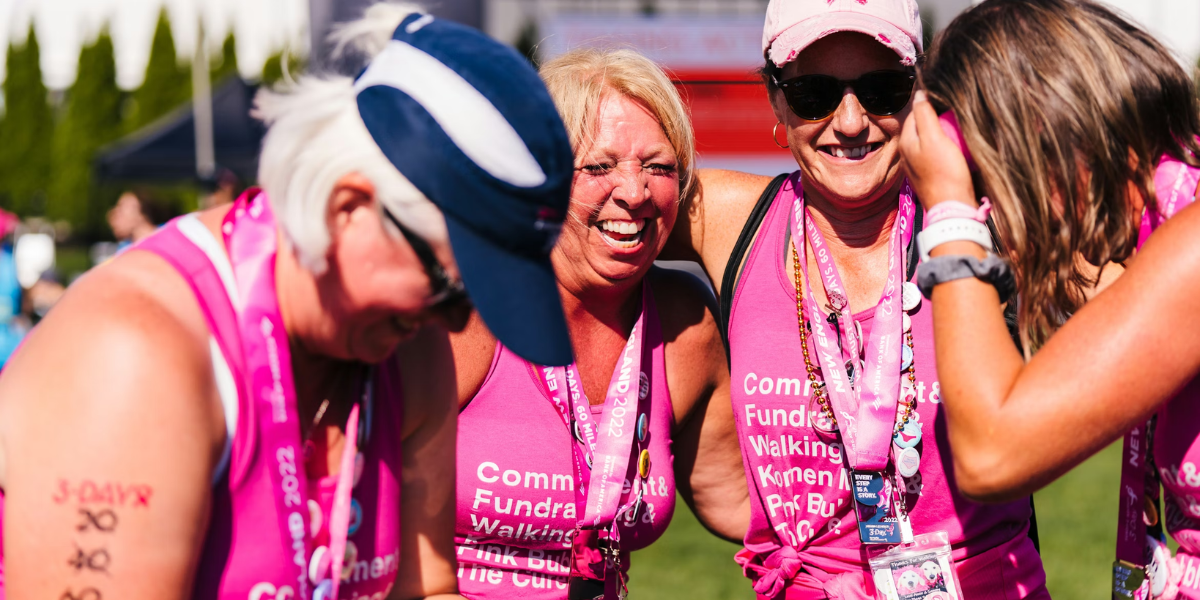
Communities, healthcare organizations, and wellness advocates across the United States are marking National Women’s Health Week 2026 with events and campaigns focused on preventive care, mental wellness, fitness, and healthy lifestyle education. Observed annually in May, the initiative encourages women to prioritize physical and emotional well-being through regular health screenings, balanced routines, and community support programs.
This year’s observance comes as healthcare professionals continue emphasizing the importance of preventive care following several years of changing healthcare habits nationwide. The campaign aims to help women make informed decisions about their wellness by encouraging medical checkups, physical activity, stress management, and healthy nutrition.
Healthcare experts say one of the most significant themes during this year’s awareness week is the growing conversation around mental wellness and burnout prevention. Many wellness organizations are focusing on practical approaches to stress management, including sleep quality, mindfulness, physical activity, and healthier work-life balance practices.
Mental health specialists note that women often balance multiple responsibilities involving work, caregiving, education, and household management, making sustainable wellness habits increasingly important. Public health campaigns this week have encouraged women to seek support when needed and to prioritize emotional well-being alongside physical health.
Fitness and movement have also become central parts of this year’s wellness programming. Community centers, fitness organizations, and local health groups across several states have hosted walking events, yoga sessions, wellness workshops, and health screenings aimed at encouraging long-term healthy habits rather than short-term fitness trends.
According to wellness experts, moderate daily movement remains one of the most effective ways to support cardiovascular health, mobility, and emotional wellness. Many trainers and healthcare providers participating in National Women’s Health Week events have promoted flexible fitness routines that fit into busy schedules, including low-impact exercise, strength training, and walking programs.
Nutrition education has also played a major role in this year’s initiatives. Registered dietitians and healthcare organizations continue emphasizing balanced eating habits centered on hydration, nutrient-rich foods, and realistic meal planning. Rather than restrictive approaches, wellness experts increasingly encourage sustainable routines that support long-term energy and overall health.
Another major topic receiving attention this week is preventive healthcare screening. Medical professionals continue encouraging women to stay current with annual physical exams, screenings, and wellness visits. According to healthcare providers, preventive care can help identify health concerns early and support better long-term outcomes.
Women’s wellness discussions in 2026 are also becoming more inclusive and community-centered. Organizations hosting awareness events are increasingly highlighting the importance of accessible healthcare resources, supportive social networks, and education programs for women from different backgrounds and age groups.
In addition to physical health initiatives, beauty and self-care brands are using National Women’s Health Week to promote wellness-centered messaging focused on confidence, self-care, and emotional balance. Industry analysts note that many consumers are shifting away from unrealistic beauty standards and moving toward wellness practices that support both physical and mental well-being.
Skincare professionals and wellness advocates say consumers are increasingly interested in simple routines focused on skin health, hydration, and sun protection rather than trend-driven products. Dermatologists continue recommending daily sunscreen use, proper hydration, and gentle skincare as important components of long-term wellness habits.
Career wellness has become another growing area of discussion during this year’s events. Leadership coaches and workplace wellness experts say professional success is increasingly linked to healthy boundaries, stress management, and supportive work environments. Conferences and online workshops held during the week have addressed topics including burnout prevention, career confidence, and resilience in demanding industries.
Relationship wellness is also receiving attention through educational programs focused on communication, emotional support, and healthy social connections. Wellness experts say strong personal relationships and community involvement can positively influence emotional well-being and reduce feelings of isolation.
Public interest in women-focused wellness content continues growing as more organizations expand educational resources through digital platforms, podcasts, community workshops, and wellness campaigns. Industry analysts believe the trend reflects a broader shift toward preventive health and balanced living across multiple age groups.
For many participants, National Women’s Health Week represents more than a short-term awareness campaign. Healthcare professionals say the goal is to encourage realistic, long-term habits that support physical, emotional, and professional well-being throughout every stage of life.
As communities continue hosting wellness events and educational initiatives throughout May, this year’s observance highlights an increasingly important message in modern healthcare: prioritizing health, balance, and self-care is an essential part of long-term personal and professional success for women across the United States.
