



The beauty and wellness industries in the United States continue evolving in 2026 as consumers increasingly prioritize products and routines focused on long-term skin health, self-care, and overall well-being. On May 13, 2026, industry experts, wellness advocates, and beauty brands highlighted several emerging trends that reflect changing consumer preferences toward healthier, more sustainable approaches to beauty and personal care.
One of the strongest themes shaping the beauty sector this year is the growing connection between wellness and skincare. Industry analysts say consumers are moving beyond cosmetic-focused routines and are instead looking for products that support hydration, skin protection, and long-term health.
Experts note that minimalist beauty routines are becoming more popular as consumers seek practical, time-efficient solutions. Dermatologists and skincare professionals have increasingly encouraged simplified skincare regimens centered on cleansing, moisturizing, sun protection, and consistency rather than excessive product use.
Wellness-focused beauty conversations are also gaining visibility during National Women’s Health Week, observed from May 10 through May 16 in the United States. The annual observance encourages women to prioritize preventive care, mental wellness, healthy lifestyle habits, and self-care practices.
Beauty professionals say this broader focus on wellness is influencing how consumers view skincare, makeup, and personal care products. Many shoppers are increasingly interested in transparency, ingredient quality, and products that align with healthy lifestyle goals.
Another major trend in 2026 is the continued growth of inclusive beauty campaigns. Several major brands have expanded shade ranges, adaptive packaging, and marketing campaigns designed to better represent women of different backgrounds, ages, and skin types. Industry observers say inclusivity has become a central expectation among consumers rather than a temporary marketing strategy.
Fashion and beauty media platforms are also placing greater emphasis on authenticity and realistic beauty standards. Editors and creators across lifestyle publications have increasingly highlighted skincare education, healthy aging, and confidence-building content instead of focusing solely on trend-driven aesthetics.
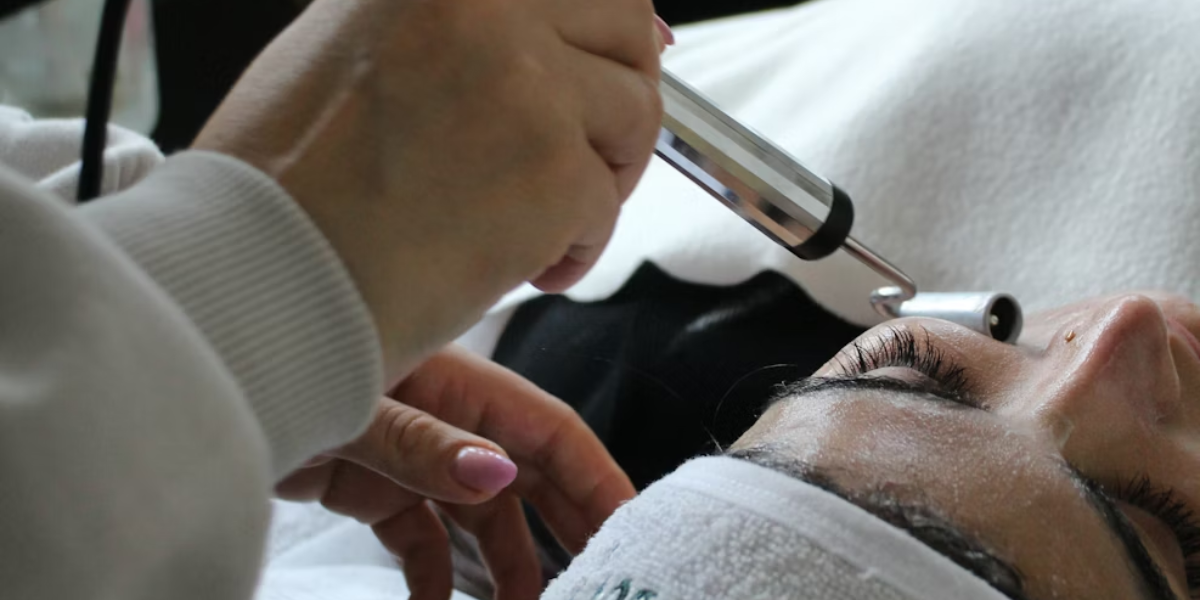
Meanwhile, the influence of wellness technology is continuing to grow throughout the beauty sector. Smart skincare devices, personalized consultations, and AI-assisted beauty tools are becoming more common as brands seek to provide customized experiences for consumers. Experts say technology is helping consumers better understand skincare routines and product compatibility.
Beauty retailers are also adapting to changing shopping habits. Consumers are increasingly researching ingredients, reading professional recommendations, and seeking educational content before purchasing skincare and beauty products. Analysts say this trend has encouraged brands to focus more heavily on consumer trust and product education.
Mental wellness has also become more closely connected to beauty and lifestyle conversations this year. Wellness experts frequently emphasize that stress management, sleep quality, hydration, and nutrition can influence skin health and overall appearance. Many wellness campaigns now encourage holistic approaches that combine skincare with broader healthy living practices.
Several lifestyle and wellness events taking place across the country this year have reflected these changing priorities. Women’s health and wellness conferences scheduled throughout 2026 are expected to feature discussions about self-care, personalized wellness, and preventive health strategies. Organizers say these events aim to connect healthcare professionals, wellness companies, and consumers interested in healthier lifestyles.
Social media and digital content creators also continue shaping beauty trends, though experts note audiences are becoming more selective about the advice they follow online. Dermatologists and licensed skincare professionals have encouraged consumers to verify beauty recommendations and avoid misinformation related to skincare treatments or unverified wellness claims.
Haircare trends are similarly evolving toward scalp health and simplified routines. Many consumers are choosing products designed to improve hair strength, hydration, and long-term maintenance rather than pursuing highly complicated styling regimens. Beauty analysts say this reflects a broader shift toward sustainability and practicality in personal care habits.
The fashion industry is also embracing wellness-inspired beauty aesthetics in 2026. Natural makeup looks, skin-focused beauty routines, and comfort-centered fashion trends remain popular among consumers seeking styles that balance confidence with practicality.
Industry experts believe the beauty sector’s growing focus on wellness, inclusivity, and transparency will continue influencing consumer behavior throughout the year. As more women prioritize healthy routines, informed purchasing decisions, and balanced lifestyles, beauty brands and media platforms are expected to continue adapting their messaging and product offerings to meet those expectations.
Advocates say the current direction of the beauty industry reflects a broader cultural movement centered on self-care, confidence, and realistic approaches to wellness. Rather than promoting short-term trends alone, many brands and wellness professionals are increasingly encouraging sustainable habits that support both physical health and emotional well-being.
