
Most skincare advice is designed for a perfect world, not a real workday. While a 10-step routine looks impressive on social media, it rarely survives the demands of travel, late nights, or shifting budgets.
That is why the smartest approach is not copying someone else’s shelf. It is building a skincare routine for your lifestyle that works with your time, skin needs, and daily habits. The goal is not perfection. The goal is consistency, comfort, and results you can actually maintain.
[IMAGE: https://womensinsider.com/wp-content/uploads/2026/04/image.png]
The Real Problem With Most Skincare Advice
Many skincare guides assume everyone has the same skin, schedule, and priorities. That is where they fail. A college student, a working mother, a frequent traveler, and someone with sensitive skin cannot all follow the same structure and expect the same outcome.
The most effective skincare starts with context. That includes how much time is available in the morning, how often makeup is used, whether the day is spent indoors or in the sun, and how reactive the skin tends to be. A routine should support daily life, not compete with it.
This is where a personalized skincare routine becomes far more useful than a trend driven product list. Instead of chasing every new launch, it helps to ask a better question: what can realistically be done every day without stress or confusion? That shift alone makes skincare more effective.
Start With Skin Needs, Not Product Hype
Before buying anything new, it helps to understand what the skin is actually asking for. Some people need hydration. Others need help with oil control, redness, dullness, breakouts, or barrier repair. When the goal is clear, the routine becomes easier to shape.
Most people need only four essential functions:
- Cleanse the skin
- Maintain hydration
- Protect the barrier
- Defend against sun exposure
That foundation works for almost everyone. Once that is stable, extra products can be added with more intention. This is also the easiest way to create a realistic skincare routine because it removes the pressure to overdo it.
A routine becomes stronger when each step has a job. A cleanser should clean without stripping. A moisturizer should support comfort and balance. A sunscreen should protect daily, not only on beach days. A serum should solve one specific concern, not five vague promises at once.
The Lifestyle First Framework
1. Build Around Time
A weekday morning routine should be short enough to repeat. A rushed schedule does not need five layers before coffee. It needs clarity. Cleanser, moisturizer, sunscreen. That can be enough.
At night, there is often more flexibility. That is the best time for treatment products such as exfoliating acids, retinol, or calming serums. This structure works especially well as a skincare routine for busy women because it places the most essential steps where they are easiest to maintain.
2. Build Around Skin Behavior
Dry skin usually needs creamy cleansers, richer moisturizers, and less frequent exfoliation. Oily or acne prone skin often does better with lighter textures and carefully chosen active ingredients. Sensitive skin usually responds best to fewer products and fragrance free formulas.
3. Build Around Environment
Someone in a hot, humid city may prefer lightweight gel based layers. Someone in a dry climate may need thicker hydration and fewer harsher activities. Travel, air conditioning, workouts, and pollution also change what skin needs from week to week.
This is why a skincare routine for your lifestyle should never be static. It should be stable, but flexible enough to adjust when life changes.
A common professional observation: many people mistake ‘dehydrated’ skin for ‘dry’ skin. One is a lack of water; the other is a lack of oil. Treating the wrong one is why many complex routines fail to show results.
A Practical Comparison: What Kind of Routine Actually Fits?
[IMAGE: https://womensinsider.com/wp-content/uploads/2026/04/image-2.png]
What a Strong Everyday Routine Looks Like
A strong routine does not need to be complicated. It needs to be repeatable.
Morning Routine
- Gentle cleanser, if needed
- Lightweight moisturizer
- Broad-spectrum sunscreen
Evening Routine
- Cleanser
- Targeted treatment, if needed
- Moisturizer
That is the base. From there, small changes can be made based on skin concerns. This is where a simple skincare routine becomes powerful. It keeps the barrier stable and makes it easier to see what is actually working.
For example, someone dealing with dryness may add a hydrating serum at night. Someone with breakouts may use salicylic acid two or three times a week. Someone worried about texture may introduce a retinoid slowly. The key is to add one change at a time.
When a routine becomes overcrowded, skin often becomes irritated. That irritation is then mistaken for poor skin, when it is really poor routine design.
What Most Sources Get Wrong About Skincare
Most sources treat skincare like a product shopping problem. It is not. It is a habit design problem.
That distinction matters. People do not fail at skincare because they lack options. They fail because the routine is too long, too expensive, too confusing, or too disconnected from daily life. In reality, more steps often mean more inconsistency.
Another mistake is ignoring skin barrier health. Strong acids, over-cleansing, and constant product switching can make skin look worse, even when the products sound impressive. Better results usually come from calm, steady care and smart observation.
A simple skincare routine often performs better than a crowded one because it reduces irritation and improves consistency. That is also why daily skincare habits matter more than occasional bursts of effort. Skin responds to what is done regularly, not dramatically.
[IMAGE: https://womensinsider.com/wp-content/uploads/2026/04/image-1.png]
How to Make Your Routine Stick
The best routine is one that feels easy enough to repeat during stressful weeks, travel days, and low-energy evenings. That takes a bit of planning.
Keep products where they are easy to reach. Use fewer steps in the morning. Avoid buying three products with the same purpose. Give new products time before judging them. Pay attention to how the skin feels, not just how a label sounds.
These are the most useful skincare tips for women who want better results without turning skincare into a second job:
- Choose consistency over complexity
- Keep the core routine stable
- Introduce activities slowly
- Do not skip sunscreen
- Adjust with seasons and stress levels
- Stop chasing every trend
If the routine fits everyday life, it is more likely to last. And if it lasts, it is more likely to work. That is the real value of a skincare routine for your lifestyle.
The Bottom Line
Good skincare should support life, not interrupt it. The most effective routine is not the longest one or the most expensive one. It is the one that respects time, skin needs, and real-world habits. When the structure feels manageable, consistency becomes easier. When consistency improves, skin usually follows.
So instead of copying someone else’s shelf, build a skincare routine for your lifestyle with a clear purpose behind every step. Start small. Stay steady. Let the routine evolve with your life. That is how skincare becomes useful, realistic, and worth sticking with.
Women’s Insider Contributor
Lauren E. Whitman
Lauren E. Whitman covers women in business, lifestyle trends, and personal growth. Her work focuses on practical insights that help readers navigate modern careers and everyday life.
This article features partner, contributor, or branded content from a third party. Members of the Women’s Insider editorial staff were not involved in the creation of this content. All views and opinions are those of the contributor alone.
Related Posts

Academy Of Clinical Hypnotherapy Raises The Bar

Photo Club Makes Art Collecting Finally Accessible

From Desert Living to Desert Sunday Co.: How Heather Paige Turned Her Love of Fashion Into a Boutique

The Swiss Colombo Method for Women Over 45
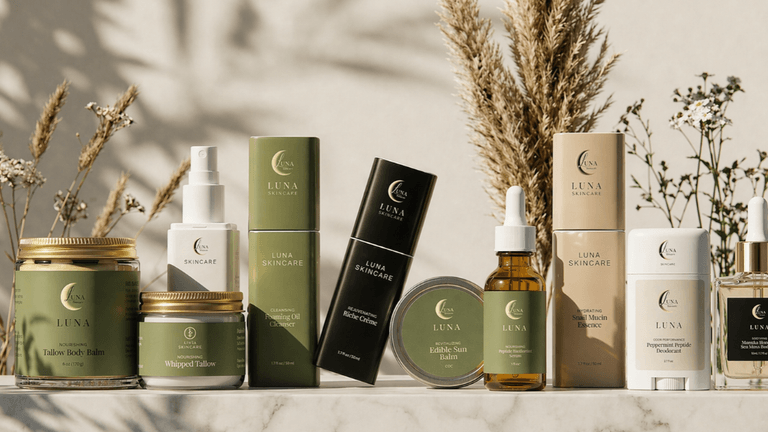
Why Luna Skincare Is Bringing Ingredient-Focused Simplicity Back to Skincare