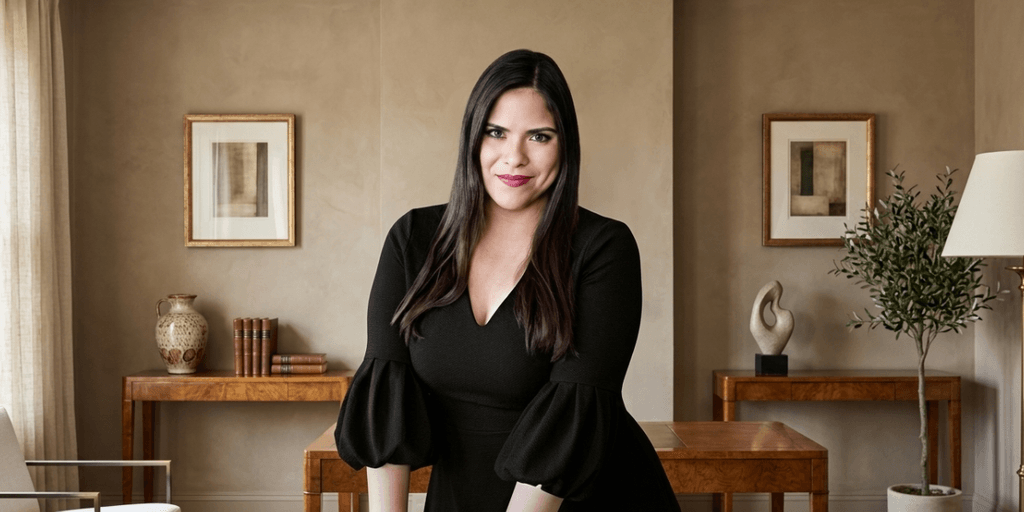
Sensory Interiors is redefining interior design by creating spaces that help neurodivergent people feel calm, supported, and understood.
The moment that changed Lily Riefkohl’s career was not dramatic from the outside. It was a quiet realization. After years in high-end residential design, she saw that beautiful spaces could still fail the people living inside them. A room could be polished, expensive, and visually impressive, yet still leave a child overwhelmed, a parent exhausted, or a clinician working against the environment instead of with it. That insight became the foundation of Sensory Interiors, a South Florida design studio built on a simple but powerful belief: design should feel supportive.
Why Sensory Interiors Matters Now
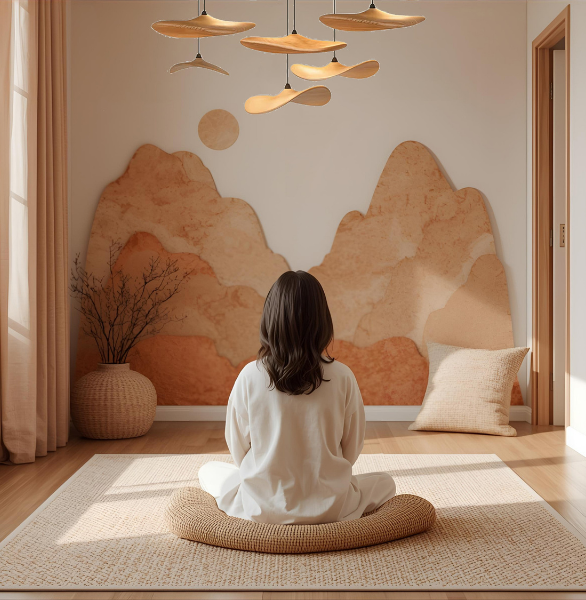
Sensory Interiors stands at the intersection of interior design, design psychology, and sensory processing. Founded by Lily Riefkohl, the studio specializes in sensory-informed interior design for neurodivergent individuals, families, and therapeutic settings. In practice, that means creating homes, clinics, schools, and wellness spaces that reduce overwhelm and support regulation, focus, and comfort.
The need is clear. Many everyday environments are still designed around appearance, efficiency, or convention, not around how the nervous system responds to light, sound, texture, color, and layout. For neurodivergent people, that gap can shape the entire day. A harsh light can become a source of stress. Visual clutter can make focus difficult. Poor acoustics can turn a routine visit into an exhausting experience. Sensory Interiors exists to close that gap with thoughtful, evidence-informed design.
Lily brings unusual depth to that mission. She holds a Bachelor’s degree in Environmental Design, a Master in Architecture, and a Master in Interior Design. Over more than a decade, she has studied how the built environment influences emotion, behavior, and well-being. She also brings personal insight through her own experience with ADHD, which gives her work an added layer of empathy and urgency. This is not designed for trends. It is designed for daily life.
From Luxury Design to Sensory Advocacy
Before launching Sensory Interiors, Lily built her career in residential design. The work sharpened her eye, but it also revealed a limitation in the industry. Too often, design conversations centered on aesthetics first and human experience second. As her career evolved into therapeutic environments, she found the area where her skills could create a deeper impact.
That transition led to one of the studio’s strongest credentials. Lily has designed more than thirty-five ABA therapy clinics across the United States, working alongside Clinical Directors, BCBAs, RBTs, therapists, and caregivers. Those collaborations gave her firsthand knowledge of what happens when a space supports regulation and what happens when it does not.
She puts it plainly: “Spaces should support the people inside them. They should help children thrive, help families feel grounded, help clinicians work more effectively, and help every individual feel understood by the world around them.” That philosophy has become the signature of Sensory Interiors.
What sets the firm apart is not only specialization, but consistency. While many studios may occasionally take on a sensory-friendly project, Sensory Interiors was built around this focus from the start. Every recommendation is filtered through the same question: will this space help the people in it feel more at ease?
The Power of Small Changes
One of the most compelling aspects of sensory-informed interior design is that transformation does not always require a full renovation. In many cases, strategic changes can shift the emotional tone of a space in meaningful ways.
Lily has seen that in both homes and clinics. She describes one therapy center that struggled with overstimulation, limited storage, and safety concerns. The layout could not be changed, so the solution had to come from smarter design decisions within existing constraints. Calmer colors replaced intense visual stimulation. Lighting was upgraded to dimmable LED options. Durable, easy-to-clean materials improved function without sacrificing comfort. Safety was strengthened through better monitoring and protective details. A sensory room was introduced to offer a more supportive retreat.
The result was not simply a nicer-looking clinic. The environment became easier to navigate and more supportive of the work happening inside it. That distinction matters. Sensory Interiors does not treat design as decoration. It treats design as part of the support system.
Families have felt that impact at home as well. One parent, Jennifer C., shared, “Working with Lily was a game-changer for our family. She provided us with a comprehensive plan for our home, guiding us on what to keep, what to eliminate, and what to purchase. The sensory design techniques she implemented have truly helped our child thrive at home.” The family gained a retreat space that offered comfort without isolation, and a bedroom design that improved sleep patterns. For many households, that kind of change does not just improve a room. It changes the rhythm of everyday life.
What Makes Sensory Interiors Different
Sensory Interiors has built its reputation on a rare combination of expertise, empathy, and practical application. The studio does not rely on broad promises or one-size-fits-all formulas. Instead, it creates personalized sensory design consultations shaped around each client’s needs, routines, and goals.
That client-centered approach extends across homes, therapy centers, schools, medical offices, and wellness spaces. Based in South Florida, the firm serves Fort Lauderdale, Miami, Boca Raton, and West Palm Beach, while also offering virtual services nationwide. This reach allows Sensory Interiors to bring specialized guidance to clients who may not have access to sensory-informed design in their local market.
The studio also sees its role as larger than project work alone. Sensory Interiors is actively collaborating with clinics to educate the community about sensory design and is seeking more partnerships to expand that effort. Its annual Community Support Program reflects the same mission. Four times a year, the firm provides a complimentary three-room consultation to a family with limited resources who has a child on the autism spectrum. It is a practical expression of the studio’s values: inclusive design should not be reserved only for those with the biggest budgets.
That combination of service and advocacy gives Sensory Interiors a distinct voice in the design world. It is not only responding to a need. It is helping define a category that more people are beginning to recognize as essential.
Designing for a More Inclusive Future
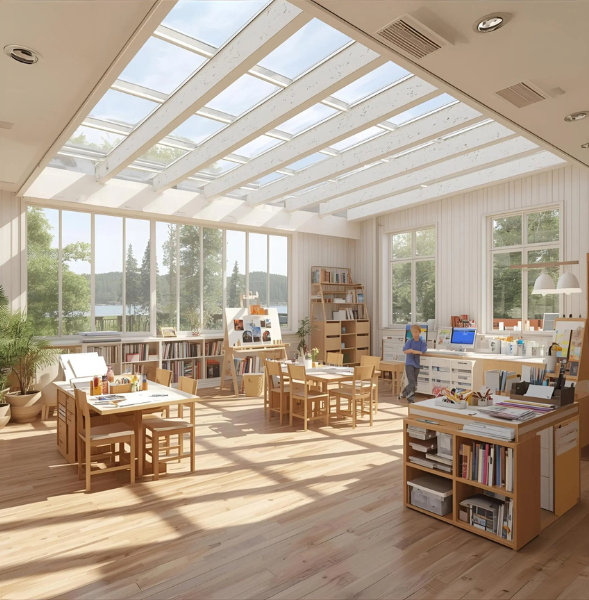
The broader promise of Sensory Interiors is not limited to any one room or building type. It is about changing expectations. If design can reduce stress, support regulation, and improve how people move through daily life, then sensory-informed thinking should not be a niche idea. It should be part of the future of design itself.
That is why Lily’s work resonates beyond her client list. She is making the case that environments deserve to be treated as active participants in well-being. In schools, that can mean classrooms that support focus. In clinics, it can mean spaces that help therapy work better. In homes, it can mean less conflict, more calm, and a stronger sense of safety. For families and professionals alike, those outcomes are not abstract. They are deeply felt.
Sensory Interiors is also a studio with ambition. Among its aspirational honors are the Autism Society’s Autism Acceptance Award, the ASD Innovators Award, the IIDA ICON Award, and ASID Community Impact of the Year. Those goals reflect the scale of the mission. This is a firm that wants to influence not only projects, but the profession.
Explore More About Sensory Interiors
Learn more through the Sensory Interiors website, connect with Lily Riefkohl on LinkedIn, follow Sensory Interiors on LinkedIn, see updates on Instagram, and visit Facebook. If you are shaping a home, clinic, school, or wellness setting and want a space that supports regulation, comfort, and daily ease, Sensory Interiors offers a thoughtful place to begin.
Women’s Insider Contributor
Emily R. Parker
Emily R. Parker is a lifestyle and business writer with a focus on wellness, career development, and modern leadership. Her articles highlight real-world strategies for women balancing ambition and well-being.
This article features partner, contributor, or branded content from a third party. Members of the Women’s Insider editorial staff were not involved in the creation of this content. All views and opinions are those of the contributor alone.
Related Posts

FlowZed Reimagines Silk Outerwear as a Personal Work of Art

Alchemira Brings Skincare Back to One Bottle

Tiffany Nellums Builds Nexera Tax Around Clarity
Tanya Stone: The Woman Founder Helping Executive Leaders Build Change That Lasts

Where Curious Kids Meet 100 Kinds of Animals