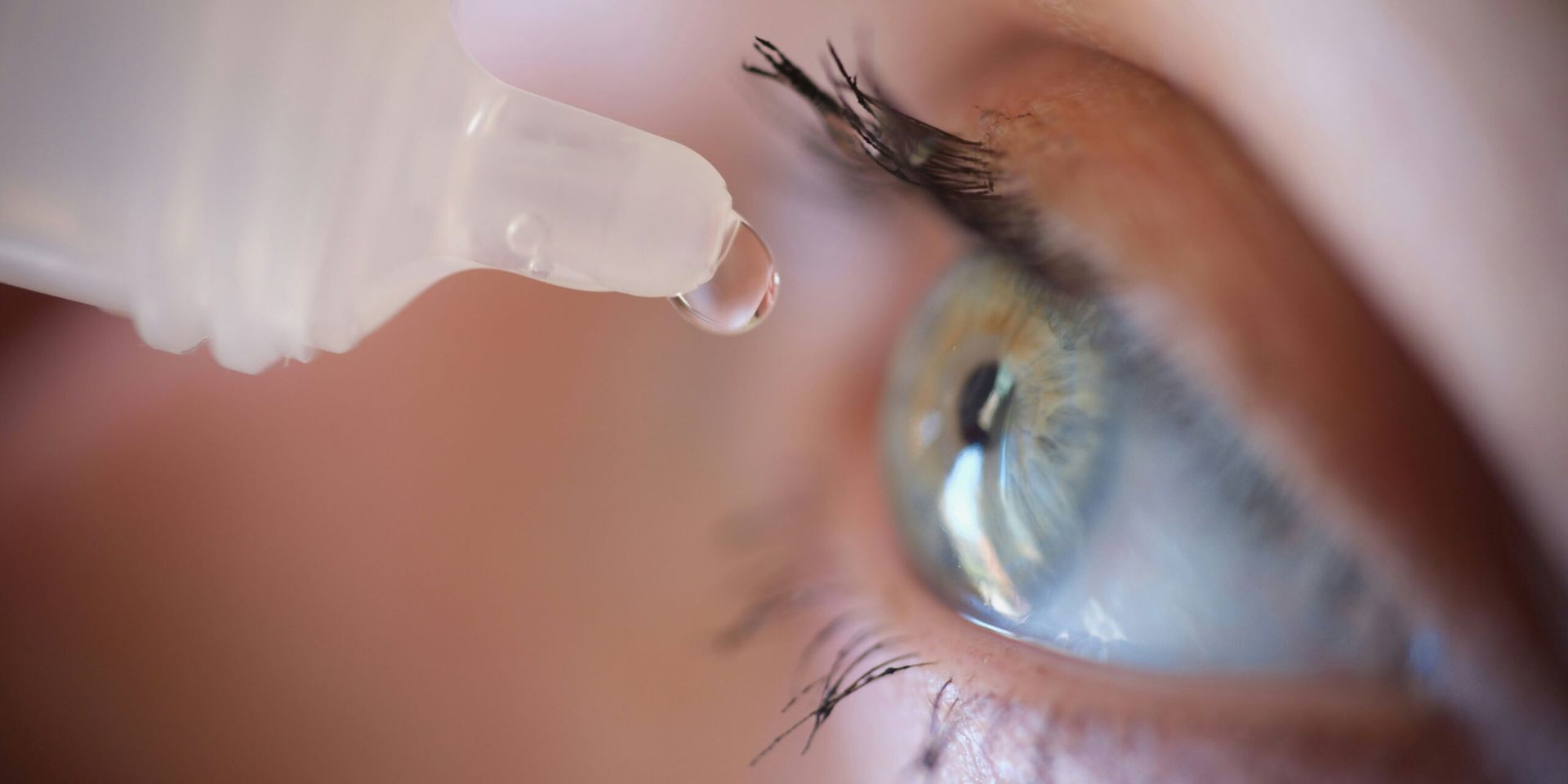
On July 11, 2025, the World Health Organization officially validated Burundi as having eliminated trachoma as a public health problem. This monumental achievement marks Burundi as the 24th country worldwide to reach this milestone, following Mauritania and Papua New Guinea earlier in the year.
Trachoma, caused by the bacterium Chlamydia trachomatis, remains the world’s leading infectious cause of blindness. Endemic in many low-resource settings, it afflicts primarily women and children due to limited access to clean water, sanitation, and hygienic practices. The WHO defines elimination as reducing active infections in children to below 5%, lowering vision-threatening trichiasis in adults to under 0.2%, and establishing a sustained surveillance and treatment infrastructure—criteria Burundi has met.
Burundi’s success stems from a persistent, community-based application of WHO’s SAFE strategy—Surgery for advanced eyelid damage, Antibiotics to halt bacterial infection, Facial cleanliness, and Environmental improvements like sanitation—led by a coordinated effort between national health agencies and global partners. This integrated model has yielded dramatic gains: global risk of trachoma exposure dropped roughly 92% from 2002 to 2022, and trichiasis cases decreased by nearly 80%.
Women, who face nearly twice the risk of trachoma-related blindness compared to men, benefited significantly. In 2022, over 70% of corrective surgeries were performed on women, reflecting equitable healthcare outreach. This underscores the broader positive impact on women’s eye health in underserved rural communities.
Burundi’s validation follows earlier African Region achievements such as in Benin, Mali, Togo, and Mauritania—demonstrating that, with political commitment and sustained investment, trachoma elimination is possible even in resource-limited settings. This progress resonates with the WHO’s updated 2030 roadmap on neglected tropical diseases, targeting trachoma eradication and extending insights into other public health domains .
Looking ahead, the emphasis is on vigilance—maintaining surveillance systems to promptly identify and manage any new trichiasis cases—to safeguard this hard-won elimination status. As WHO Director-General remarked, the conquest of remaining endemic pockets will be the toughest yet, but each national success bolsters global momentum .
Burundi’s trachoma elimination is more than a national achievement—it stands as a testament to what sustained public health interventions can deliver in remote, under-resourced areas. It provides a replicable blueprint for similar programs worldwide, particularly those targeting women’s ocular health. With this validation, the global community moves one step closer to consigning trachoma to history.
Women’s Insider Contributor
Emily R. Parker
Emily R. Parker is a lifestyle and business writer with a focus on wellness, career development, and modern leadership. Her articles highlight real-world strategies for women balancing ambition and well-being.
This article features partner, contributor, or branded content from a third party. Members of the Women’s Insider editorial staff were not involved in the creation of this content. All views and opinions are those of the contributor alone.