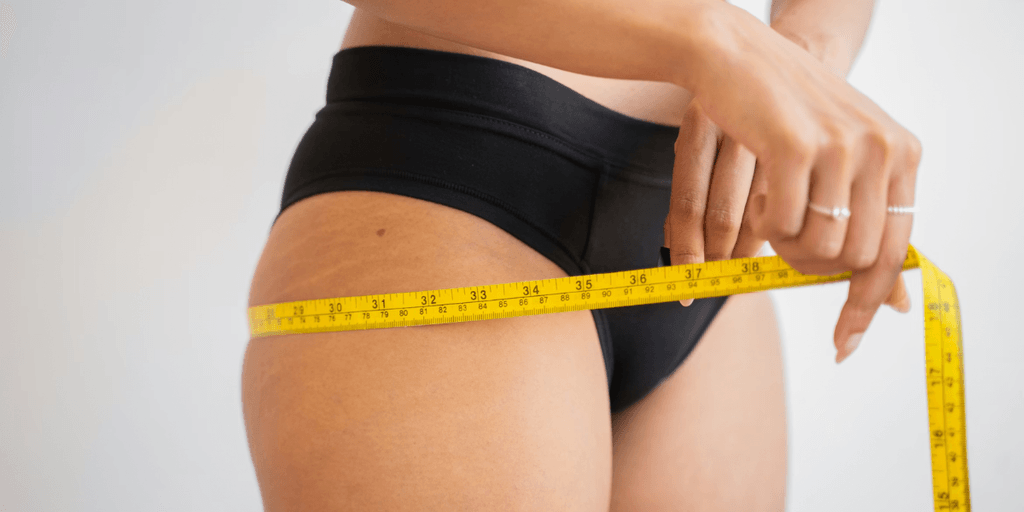
A major health development on April 28, 2026, could have long-term significance for millions of Americans managing obesity and related health concerns. Pharmaceutical companies Boehringer Ingelheim and Zealand Pharma announced encouraging late-stage clinical trial results for their experimental obesity treatment, survodutide, showing substantial weight loss among participants.
According to the companies, participants treated with servitude lost an average of 16.6% of their body weight after 76 weeks, compared with 3.2% in the placebo group. The Phase III trial involved adults who were obese or overweight and did not have Type 2 diabetes.
The results are notable because obesity remains one of the most pressing public health challenges in the United States. Federal health agencies have consistently linked excess weight to higher risks of heart disease, stroke, sleep apnea, joint problems, and some cancers. For many women, obesity can also affect fertility, pregnancy outcomes, hormonal balance, and menopause-related health changes.
Why This Matters to Women
Women often face unique barriers in weight management, including hormonal fluctuations, caregiving stress, unequal time for exercise, and metabolic changes linked to pregnancy or aging. As a result, new evidence-based treatment options can be especially meaningful.
Experts have noted that sustainable weight loss can improve blood pressure, cholesterol levels, mobility, and overall energy. For women balancing careers, family responsibilities, and personal wellness, access to more treatment choices may help support long-term health goals.
While lifestyle habits such as balanced nutrition, regular movement, sleep, and stress management remain foundational, medications are increasingly becoming part of a broader medical strategy for some patients.
Growing U.S. Demand for Obesity Care
The American market for obesity medications has expanded rapidly in recent years. Existing treatments have generated strong demand, but shortages, cost concerns, and insurance access remain common challenges.
That is why new entrants like survodutide are drawing attention. More approved therapies could eventually improve availability, encourage competition, and widen patient access. If approved by regulators in the future, the treatment may become part of a growing class of medications reshaping how doctors approach chronic weight management.
The latest trial data also reflects a broader shift in medicine: obesity is increasingly being treated as a chronic disease rather than a personal failing. This perspective can help reduce stigma and encourage patients to seek evidence-based care.
What Makes This Drug Different
Survodutide is being studied as a next-generation therapy designed to support weight reduction through appetite regulation and metabolic pathways. Researchers continue to evaluate not only pounds lost, but also durability of results, safety, and benefits tied to heart and metabolic health.
As with any prescription medication, side effects and suitability vary by patient. Full regulatory review would be needed before widespread use in the United States.
Key Takeaways for Readers
For WomenInsider readers focused on wellness, this announcement highlights several important trends:
- Science is expanding treatment options. Weight management support is moving beyond one-size-fits-all advice.
- Women’s health needs are gaining more attention. Hormonal and life-stage factors are increasingly recognized in treatment planning.
- Long-term health matters most. Sustainable progress, not quick fixes, remains the best goal.
- Medical guidance is essential. Anyone considering weight-loss treatment should consult a licensed healthcare professional.
Looking Ahead
Today’s announcement does not mean survodutide is immediately available, but it marks an important milestone in obesity research. As more therapies enter development, women across the United States may benefit from a future with more personalized and accessible care options.
For readers navigating health goals in 2026, the message is clear: medical innovation continues to grow, and support for healthy living is becoming more sophisticated than ever before.”
Women’s Insider Contributor
Women's Insider Contributor
This article features <a href="https://womensinsider.com/terms-and-conditions/" target="_blank">branded content</a> from a third party. Opinions in this article do not reflect the opinions and beliefs of Women's Insider.
This article features partner, contributor, or branded content from a third party. Members of the Women’s Insider editorial staff were not involved in the creation of this content. All views and opinions are those of the contributor alone.