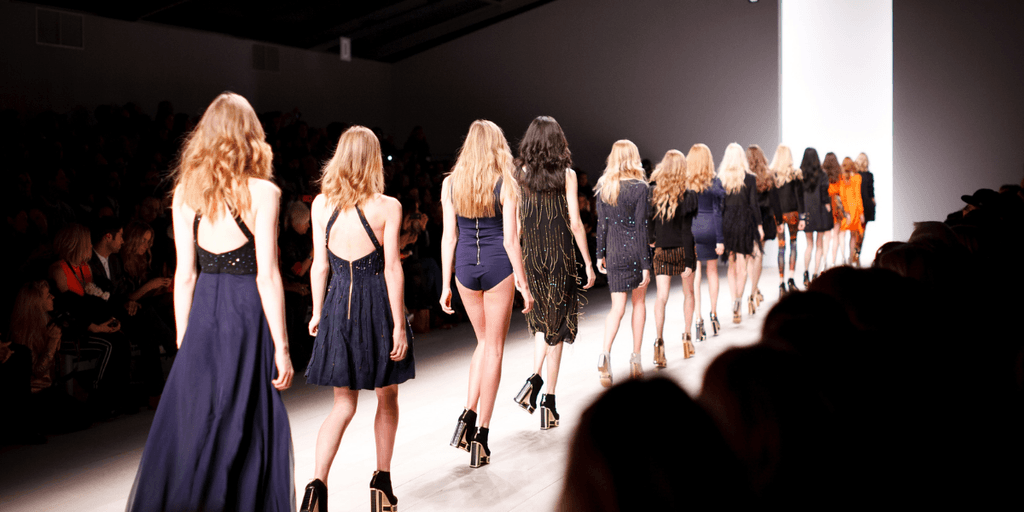
New York is preparing for one of the most important events on the international fashion calendar as New York Fashion Week returns for the Spring-Summer 2027 season from September 10 to 15, 2026. The event is expected to bring established American fashion houses, emerging designers, international buyers, media, and industry professionals together for nearly a week of runway shows and presentations.
This year's schedule highlights an important moment for American fashion. Alongside established names, the event is giving greater visibility to newer designers and brands, reflecting an industry that continues to evolve around changing consumer preferences, new creative talent, and a growing interest in American fashion identity.
A Major Week for American Fashion
The Council of Fashion Designers of America has released the preliminary official schedule for the September edition of New York Fashion Week. The schedule features approximately 70 runway shows and designer presentations, with additional collections expected to debut through appointments and digital presentations.
The week officially launches on September 10 with Henry Zankov's debut collection as artistic director for Diane von Furstenberg. The event will conclude on September 15 with Thom Browne.
Other established names appearing on the schedule include Carolina Herrera, Christian Siriano, Calvin Klein Collection, Michael Kors Collection, Tory Burch, Anna Sui, Ulla Johnson, Khaite, Proenza Schouler, and LaQuan Smith.
The scale of the schedule demonstrates New York's continuing role as an important global fashion center.
Heritage Brands Meet a New Generation
One of the notable themes surrounding this year's New York Fashion Week is the continued interest in American heritage brands and their ability to connect with younger consumers.
Established names such as Ralph Lauren, Coach, and Tommy Hilfiger are part of the broader fashion conversation surrounding the week. Their presence comes as major brands increasingly look for ways to maintain their identity while appealing to younger audiences.
For fashion companies, this presents a significant business challenge. Long-established brands have recognizable histories, but consumer expectations continue to change. Younger shoppers often place greater emphasis on design, cultural relevance, versatility, digital engagement, and the overall experience surrounding a brand.
The ability to combine established brand identity with contemporary relevance can therefore become an important factor in maintaining long-term growth.
Emerging Designers Gain More Visibility
New York Fashion Week is also providing opportunities for emerging designers to reach a wider audience.
The 2026 schedule includes several designers and brands appearing on the official calendar for the first time, including Benjamin Seidler, Conner Ives, Grey's by Emily Grey, High Sport by Alissa Zachary, Hikari no Yami by Jakarie Whitaker, Magda Butrym, Max Esmail, Patrick Taylor, Sabyasachi by Sabyasachi Mukherjee, and Zaldy.
The inclusion of new names is important for the broader fashion ecosystem. Emerging designers bring new ideas, techniques, and perspectives to the industry while creating opportunities for buyers and consumers to discover alternatives to established labels.
For these designers, participation in a major fashion week can also provide valuable exposure to retailers, editors, investors, stylists, and other industry professionals.
The Business Behind the Runway
Fashion Week is not simply about clothing and runway presentations. It represents a significant business environment involving designers, manufacturers, retailers, photographers, stylists, models, public relations agencies, media organizations, technology companies, and event producers.
A successful collection can influence purchasing decisions months before products reach consumers. Buyers use fashion weeks to evaluate upcoming collections and determine which products may have commercial potential.
For brands, the event can also help establish positioning for the upcoming season. The way a collection is presented can influence media coverage, consumer interest, retailer relationships, and brand perception.
This makes fashion week an important strategic moment rather than simply a showcase of creative work.
Digital Presentation Continues to Expand Fashion's Reach
The fashion industry has also become increasingly dependent on digital channels to reach audiences beyond traditional fashion capitals.
While physical runway shows remain central to New York Fashion Week, designers can now use digital presentations, social media, video, and online platforms to introduce collections to audiences around the world.
This broader reach has changed how fashion brands communicate with consumers. A runway show that once primarily targeted industry insiders can now generate global attention almost immediately.
For emerging brands in particular, digital platforms can help reduce the geographic barriers associated with building an international audience.
What to Watch During NYFW 2026
As New York Fashion Week begins, several areas will be worth watching.
The first is how established American brands balance heritage with modern design. The second is the performance of emerging designers gaining their first major exposure. The third is how brands use digital platforms to extend the reach of their collections beyond the runway.
The event also provides an early look at the creative direction that could influence Spring-Summer 2027 fashion across retail and luxury markets.
A New Chapter for American Fashion
New York Fashion Week 2026 arrives at a time when the fashion industry is adapting to changing consumer behavior, evolving retail models, and new approaches to brand building.
The combination of established labels and emerging designers gives this year's event particular importance. While major fashion houses bring decades of recognition and commercial experience, newer designers provide the experimentation and fresh perspectives that can shape the industry's future.
For the global fashion business, the September 2026 edition of New York Fashion Week will therefore be more than a series of runway shows. It will be an opportunity to see how American fashion brands are positioning themselves for the next generation of consumers and how emerging creative talent is preparing to influence the market.
Women’s Insider Contributor
Natalie J. Brooks
Natalie J. Brooks covers small business, branding, and digital culture. She brings a practical, accessible voice to topics that matter most to today’s women.
This article features partner, contributor, or branded content from a third party. Members of the Women’s Insider editorial staff were not involved in the creation of this content. All views and opinions are those of the contributor alone.
Related Posts

The Woman To Woman Podcast: What Happens When Two Best Friends Stop Playing It Safe?

Academy Of Clinical Hypnotherapy Raises The Bar
Photo Club Makes Art Collecting Finally Accessible

From Desert Living to Desert Sunday Co.: How Heather Paige Turned Her Love of Fashion Into a Boutique

The Swiss Colombo Method for Women Over 45