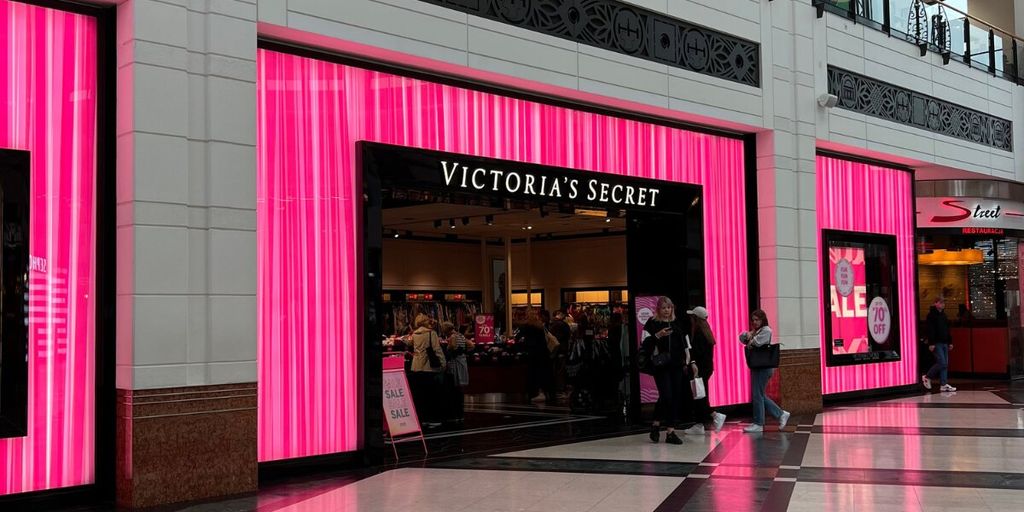
One of the most closely watched retail comeback stories in the United States gained new momentum on May 23, 2026, as renewed attention focused on the evolving success of iconic lingerie and fashion retailer Victoria’s Secret. The company’s ongoing transformation, highlighted by stronger sales performance, updated branding, and a broader approach to beauty and inclusivity, has become a significant topic across the fashion and retail industries this week.
Recent business reporting highlighted that Victoria’s Secret recorded its strongest growth since 2021 during fiscal 2025 and continued building on that progress into 2026. Industry analysts and retail observers point to the company’s shift in leadership strategy and customer engagement as major reasons behind the renewed momentum.
The retailer, once known primarily for its glamorous runway shows and traditional beauty standards, spent recent years reworking its public image to better reflect modern consumer expectations. Under the leadership of CEO Hillary Super, who joined the company after previous experience in fashion retail and inclusive branding initiatives, Victoria’s Secret has focused on balancing its legacy identity with a more contemporary and diverse representation of women.
A major milestone in the company’s transformation came with the revival of its signature fashion show. After several years away from television and public events, the updated showcase returned with a broader range of models, body types, and personal stories represented on stage. Fashion commentators noted that the event retained the brand’s emphasis on glamour while also embracing inclusivity and confidence in a more modern format.
Retail experts say this strategy reflects larger changes happening across the U.S. fashion and beauty industries. Consumers, especially women shoppers, increasingly expect brands to represent authenticity, individuality, and accessibility rather than narrow ideals. Companies that successfully adapt to these expectations are often rewarded with stronger customer loyalty and improved brand perception.
Victoria’s Secret also made headlines in 2026 by updating its stock ticker symbol to “VSXY,” a move designed to signal a refreshed identity and a new chapter for the business. Analysts described the rebranding as symbolic of the company’s effort to reconnect with younger shoppers while maintaining recognition among longtime customers.
The broader retail landscape has become increasingly competitive, particularly in women’s apparel, beauty, and lifestyle categories. Direct-to-consumer brands, social media marketing, influencer partnerships, and changing shopping habits continue reshaping the market. In response, Victoria’s Secret has expanded its digital strategy, strengthened online shopping experiences, and increased engagement across social platforms.
Fashion industry leaders gathering this week at the Vogue Business Global Summit also discussed many of the same trends influencing major retailers today. Topics included artificial intelligence in fashion, evolving beauty standards, consumer behavior shifts, and the growing importance of personalized shopping experiences. Executives at the summit emphasized that modern consumers want brands to feel relatable, emotionally engaging, and socially aware.
The conversation around inclusivity has become especially important in women-focused industries. Beauty and fashion companies are increasingly recognizing that women want representation that reflects different ages, sizes, backgrounds, and lifestyles. Experts say the brands that adapt successfully are often those willing to listen carefully to customer feedback and evolve alongside cultural trends.
For shoppers, the revival of Victoria’s Secret highlights how established companies can reinvent themselves during periods of market change. Retail analysts note that successful turnarounds often require a combination of updated leadership, careful brand positioning, and a willingness to acknowledge changing customer expectations.
The company’s renewed momentum also reflects a larger recovery in consumer spending within the fashion and beauty sectors. While economic uncertainty has affected some retail categories in recent years, many consumers continue prioritizing personal style, wellness, and self-expression. This trend has supported growth for brands that combine quality products with strong storytelling and emotional connection.
Women entrepreneurs and executives across the retail sector are also playing a larger role in shaping the future of fashion businesses. Industry conferences and leadership forums in 2026 have increasingly focused on innovation, sustainability, digital transformation, and women-led business growth.
For many consumers, Victoria’s Secret’s evolving image represents more than a business recovery. It reflects a broader shift in how fashion companies communicate with women today. Rather than promoting a single ideal, successful brands are increasingly celebrating individuality, confidence, and personal expression.
As 2026 continues, retail analysts expect competition in women’s fashion and lifestyle markets to remain intense. However, Victoria’s Secret’s recent performance suggests that established brands can still remain relevant when they adapt thoughtfully to cultural and consumer changes.
The company’s transformation is now being viewed as one of the year’s most notable retail business stories in the United States, offering lessons for fashion brands navigating changing expectations in an increasingly digital and consumer-driven marketplace.
Women’s Insider Contributor
Lauren E. Whitman
Lauren E. Whitman covers women in business, lifestyle trends, and personal growth. Her work focuses on practical insights that help readers navigate modern careers and everyday life.
This article features partner, contributor, or branded content from a third party. Members of the Women’s Insider editorial staff were not involved in the creation of this content. All views and opinions are those of the contributor alone.
Related Posts

The Woman To Woman Podcast: What Happens When Two Best Friends Stop Playing It Safe?

Academy Of Clinical Hypnotherapy Raises The Bar
Photo Club Makes Art Collecting Finally Accessible

From Desert Living to Desert Sunday Co.: How Heather Paige Turned Her Love of Fashion Into a Boutique

The Swiss Colombo Method for Women Over 45