



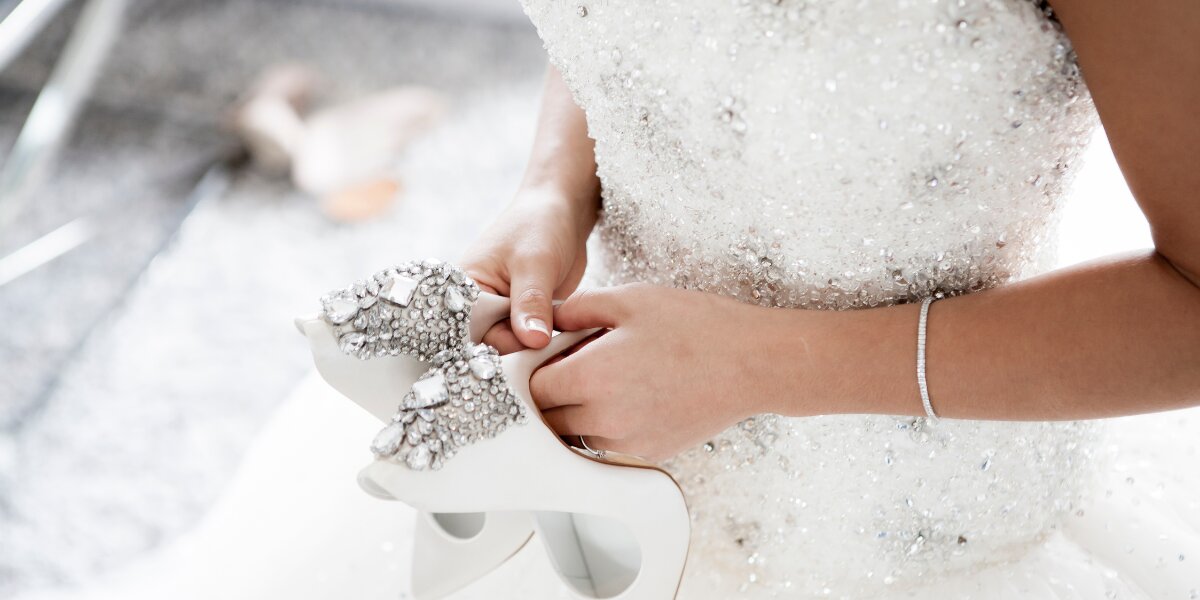
Jewelry entrepreneur Kendra Scott returned to headlines this week after marrying country music star Zac Brown in a private ceremony held in Santorini, Greece on May 25, 2026. While celebrity weddings often dominate entertainment news cycles, the event also renewed public interest in Scott’s remarkable business journey and her growing influence across fashion, philanthropy, and women-led entrepreneurship in the United States.
The wedding quickly became one of the most discussed lifestyle stories in American media on May 28, as major outlets highlighted not only the couple’s relationship but also Scott’s evolution from startup founder to one of the country’s most successful self-made businesswomen.
Scott, founder of the Kendra Scott jewelry brand, launched her company in 2002 with just $500 and a small collection of handcrafted jewelry. Over the last two decades, the company has expanded into a nationally recognized fashion and accessories brand with more than 170 retail locations and partnerships with major retailers. Industry analysts continue to point to Scott’s business model as an example of how founder-led brands can maintain strong customer loyalty while scaling nationally.
The renewed spotlight on Scott comes at a time when women-owned businesses continue to gain momentum across the United States. According to recent entrepreneurship studies, women entrepreneurs remain one of the fastest-growing segments in small business development, particularly in fashion, beauty, wellness, and digital retail sectors. Scott’s story has frequently been cited as an example of long-term brand growth built through community engagement and customer-centered marketing.
Unlike many celebrity-driven fashion labels, the Kendra Scott brand grew primarily through retail expansion, philanthropic partnerships, and direct consumer engagement. Industry observers note that the company’s emphasis on charitable giving and community events helped strengthen customer trust and brand visibility during periods of rapid expansion.
In recent years, Scott has also increased her involvement in philanthropic initiatives focused on women, children, and education. Through the Kendra Scott Foundation, established in 2023, the entrepreneur has supported programs related to health care access, educational scholarships, and community development initiatives. The foundation has become a significant part of her public identity, especially among younger consumers who increasingly support brands connected to social impact efforts.
Fashion industry experts say Scott’s visibility matters because it reflects a broader shift in how female entrepreneurs are viewed in American business culture. Rather than being recognized solely for product design, women founders are increasingly being acknowledged for leadership, philanthropy, and long-term economic impact.
The wedding itself was intentionally private, according to reports published this week. Media coverage emphasized the couple’s shared experiences as parents and philanthropists, with both Scott and Brown reportedly prioritizing family and charitable work throughout their relationship. Their engagement was first announced in 2025 after the pair made several public appearances together during entertainment and fundraising events.
Beyond celebrity interest, the public attention surrounding Scott highlights the continued strength of lifestyle and fashion entrepreneurship despite broader retail challenges. While many traditional retailers have struggled with changing shopping habits and economic uncertainty, jewelry and accessories brands with strong digital strategies and loyal audiences have continued to perform well.
Analysts also note that consumers increasingly favor brands that combine personal storytelling with authentic leadership. Scott’s personal involvement in branding, charitable campaigns, and public speaking engagements has helped maintain strong consumer recognition even as competition within the fashion and accessories market has intensified.
For many women entrepreneurs, Scott’s success story remains particularly meaningful because it reflects a path built gradually rather than through overnight viral success. Her early years reportedly involved selling jewelry directly to local boutiques while balancing the responsibilities of raising a young family. That narrative continues to resonate with aspiring founders looking for practical examples of sustainable business growth.
The broader fashion and lifestyle industry is also seeing renewed interest in founder-led companies that prioritize identity, community, and emotional connection with consumers. Experts say shoppers are increasingly drawn to brands that reflect personal values and authenticity, especially among younger demographics.
As coverage of Scott’s wedding continues across entertainment and business media, many observers believe the moment represents more than celebrity news. It also serves as a reminder of the growing economic and cultural influence of women entrepreneurs in the United States.
From a small startup operation to a nationally recognized fashion empire, Scott’s career illustrates how persistence, branding, and community-focused leadership can shape long-term success. Her continued visibility in both business and philanthropy reflects the expanding role women founders now play across multiple industries, from retail and wellness to media and charitable leadership.
For readers following trends in fashion, entrepreneurship, and women-led business innovation, Scott’s latest milestone highlights a broader national conversation about leadership, influence, and the evolving definition of success in modern American business culture.
