



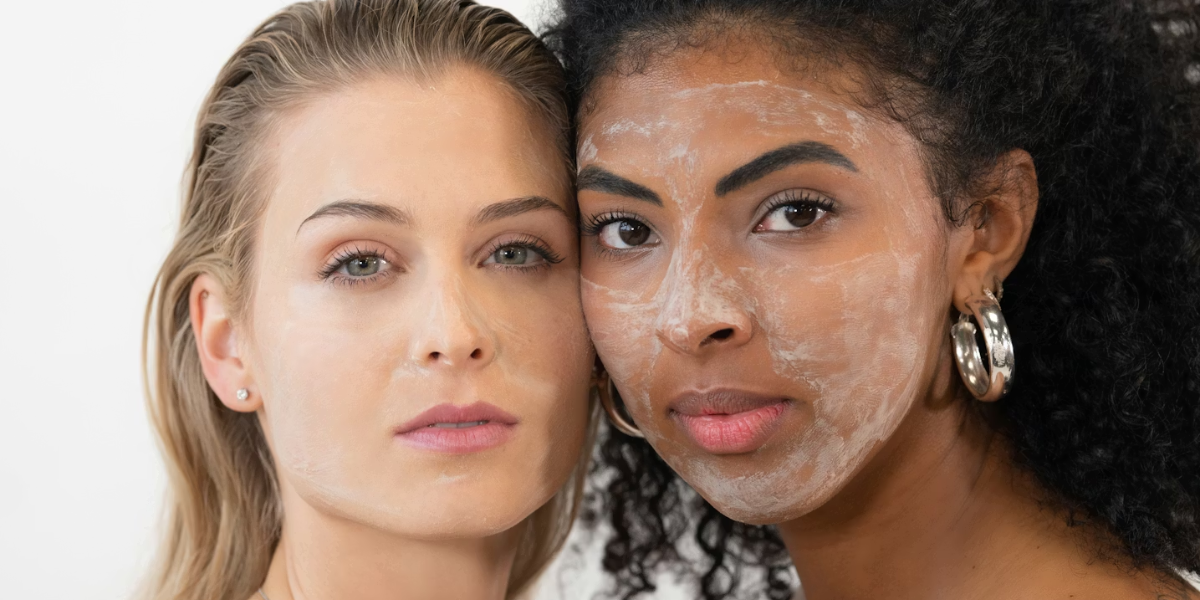
The beauty and wellness industries in the United States are continuing to evolve rapidly in 2026, with clean beauty products, personalized skincare routines, and wellness-driven self-care becoming some of the year’s most influential consumer trends. On May 10, industry analysts and beauty experts highlighted growing demand for products and routines that prioritize transparency, simplicity, and long-term skin health.
Across retail stores, online marketplaces, and wellness platforms, consumers are increasingly seeking beauty products made with recognizable ingredients, environmentally conscious packaging, and science-backed formulations. Experts say the shift reflects a broader movement toward mindful self-care and holistic wellness, especially among women balancing busy professional and personal lives.
Beauty industry reports released this year indicate that consumers are paying closer attention to ingredient labels and product sourcing than ever before. Many shoppers now prioritize skincare products marketed as clean, fragrance-free, dermatologist-tested, or designed for sensitive skin. Analysts say this trend is influencing how brands develop new products and communicate with customers.
The growing popularity of personalized skincare is also transforming the beauty landscape. Companies are increasingly offering customized recommendations based on skin type, environmental factors, lifestyle habits, and wellness goals. Experts note that advances in artificial intelligence and skin analysis technology are helping brands provide more individualized beauty experiences.
Skincare professionals say consumers are becoming more focused on prevention and long-term maintenance rather than quick cosmetic fixes. Hydration, skin barrier protection, sun care, and gentle formulations are among the most discussed priorities in current skincare conversations.
Wellness-focused beauty routines are particularly resonating with women seeking practical forms of self-care amid demanding schedules. Shorter routines, multifunctional products, and simplified skincare regimens are becoming increasingly popular among consumers looking for realistic and sustainable habits.
According to several beauty trend forecasts published in 2026, “skin minimalism” remains one of the industry’s leading movements. Rather than using large numbers of products, many consumers are opting for fewer items with versatile benefits and proven ingredients. Experts say the trend reflects a broader cultural interest in balance, simplicity, and intentional spending.
The beauty industry is also seeing stronger connections between skincare and emotional wellbeing. Wellness experts say many women increasingly view skincare routines not only as cosmetic practices but also as opportunities for relaxation, mindfulness, and stress reduction.
Mental wellness conversations have become closely linked with self-care culture in recent years. Beauty brands and wellness platforms are incorporating themes related to confidence, healthy habits, sleep quality, and overall wellbeing into their messaging and product development strategies.
Industry observers note that social media and online wellness communities continue shaping consumer preferences, although many shoppers are becoming more selective about trends and product claims. Experts say consumers are now placing greater value on professional guidance, scientific credibility, and transparency from beauty brands.
Sustainability remains another major focus across the industry in 2026. Environmentally conscious packaging, refillable containers, cruelty-free testing standards, and responsible sourcing practices are increasingly influencing purchasing decisions. Many brands are responding by investing in eco-friendly packaging initiatives and ingredient transparency programs.
Beauty analysts say younger consumers in particular are driving demand for ethical and environmentally responsible products. Reports suggest that shoppers are increasingly supporting brands that align with their personal values regarding sustainability and wellness.
Haircare and wellness-focused beauty treatments are also experiencing growth this year. Experts report increased consumer interest in scalp health, protective styling, hydration-focused haircare, and products designed to support overall hair wellness rather than appearance alone.
Meanwhile, dermatologists and skincare professionals continue encouraging consumers to approach beauty trends carefully and realistically. Experts emphasize the importance of evidence-based skincare practices, including daily sun protection, consistent hydration, and routines tailored to individual skin needs.
Wellness professionals also note that healthy lifestyle habits often contribute significantly to skin health. Balanced nutrition, sleep quality, stress management, and regular hydration are frequently cited as important factors supporting long-term wellness and appearance.
The rise of wellness-centered beauty trends reflects broader cultural changes in how many women approach self-care and confidence. Rather than focusing solely on appearance, many consumers are embracing beauty routines that support comfort, wellbeing, and sustainable daily habits.
As beauty and wellness continue to intersect throughout 2026, analysts expect demand for personalized, transparent, and wellness-oriented products to remain strong. Industry leaders predict continued innovation in skincare technology, ingredient research, and sustainable beauty practices as consumers seek healthier and more intentional approaches to self-care.
For many women, the evolving beauty landscape represents more than changing product preferences. Experts say it reflects a growing emphasis on balance, authenticity, and long-term wellbeing in everyday life.
