



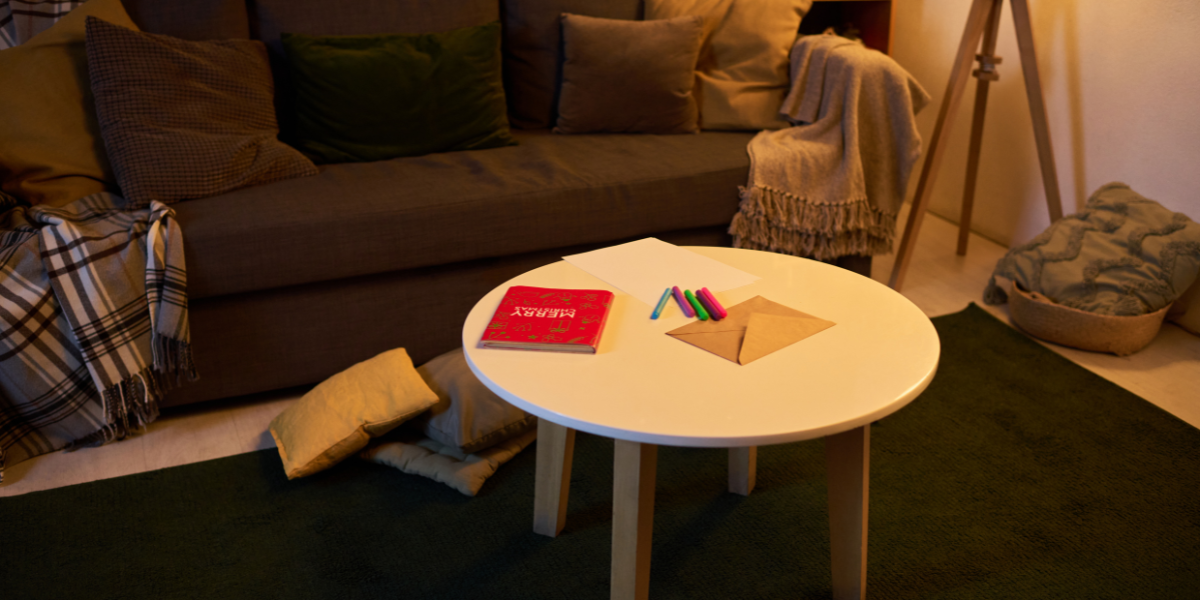
As of March 23, 2026, a growing lifestyle movement known as “soft living” is gaining traction among women across the United States and globally. Rooted in intentionality, balance, and well-being, this approach reflects a shift away from high-pressure productivity and toward a more sustainable, fulfilling way of living. This evolving mindset is influencing how women approach health, beauty, fashion, relationships, and career decisions.
At its core, soft living emphasizes slowing down and making conscious choices that prioritize mental and physical wellness. Many women are actively seeking ways to reduce burnout and improve emotional well-being, leading to a renewed focus on daily habits that support long-term balance. Instead of rigid routines or extreme productivity goals, the emphasis is on consistency, self-awareness, and realistic expectations.
In daily life, this trend manifests through small but meaningful changes. Women are incorporating routines such as morning journaling, mindful movement, and evening digital detoxes. Low-impact activities like yoga, stretching, and walking are becoming preferred choices, offering both physical benefits and mental clarity. These practices are accessible and sustainable, making them easier to maintain over time.
The beauty industry is also evolving in response to this shift. Rather than focusing on complex, multi-step routines, many women are embracing simplified skincare regimens that prioritize skin health. There is a growing preference for products with clear ingredient lists and practical benefits. This reflects a broader desire for authenticity and informed decision-making in personal care, with an emphasis on enhancing natural features rather than masking them.
In fashion, soft living is influencing both style choices and purchasing behavior. Many women are turning toward capsule wardrobes made up of versatile, high-quality essentials. Comfortable fabrics, neutral tones, and timeless silhouettes are becoming staples, allowing for effortless transitions between different aspects of daily life. This approach not only simplifies decision-making but also encourages more thoughtful and sustainable consumption.
Relationships are another area where this cultural shift is evident. Women are placing greater emphasis on emotional clarity, communication, and personal boundaries. Whether in friendships, family dynamics, or romantic partnerships, there is a stronger focus on mutual respect and supportive connections. This reflects a growing understanding that healthy relationships play a crucial role in overall well-being.
Career perspectives are also being reshaped. While ambition remains important, the definition of success is evolving to include flexibility, purpose, and balance. Many women are seeking work environments that allow for better integration of professional and personal priorities. Flexible schedules, remote work options, and values-driven careers are becoming increasingly appealing.
At the same time, women entrepreneurs and leaders are contributing to this shift by building businesses that reflect these principles. Emphasis on collaboration, inclusivity, and long-term growth is helping redefine workplace culture. This approach supports not only professional success but also employee well-being and satisfaction.
Technology, while often associated with fast-paced living, is being adapted to support softer lifestyles. Digital tools are being used more intentionally to track habits, manage time, and maintain balance. However, there is also a growing awareness of the need to set boundaries with technology to prevent overwhelm and maintain focus on real-life experiences.
From a shopping perspective, this trend is influencing how women make purchasing decisions. There is a noticeable shift toward quality over quantity, with more intentional spending on items that provide lasting value. Whether in fashion, beauty, or wellness products, the focus is on durability, functionality, and alignment with personal values.
Key takeaways from the rise of soft living include the importance of balance, intentionality, and self-awareness. Rather than striving for perfection or constant productivity, women are embracing a more compassionate and realistic approach to their lifestyles. This shift is not about doing less, but about focusing on what truly matters.
As 2026 continues to unfold, soft living stands out as more than just a passing trend. It represents a meaningful cultural evolution toward a more balanced, mindful, and empowering way of life. For women navigating modern challenges, this approach offers practical guidance for building a life that feels both successful and sustainable.
