



xCOVID-19 hasn’t disappeared. What’s changed is how we deal with it.
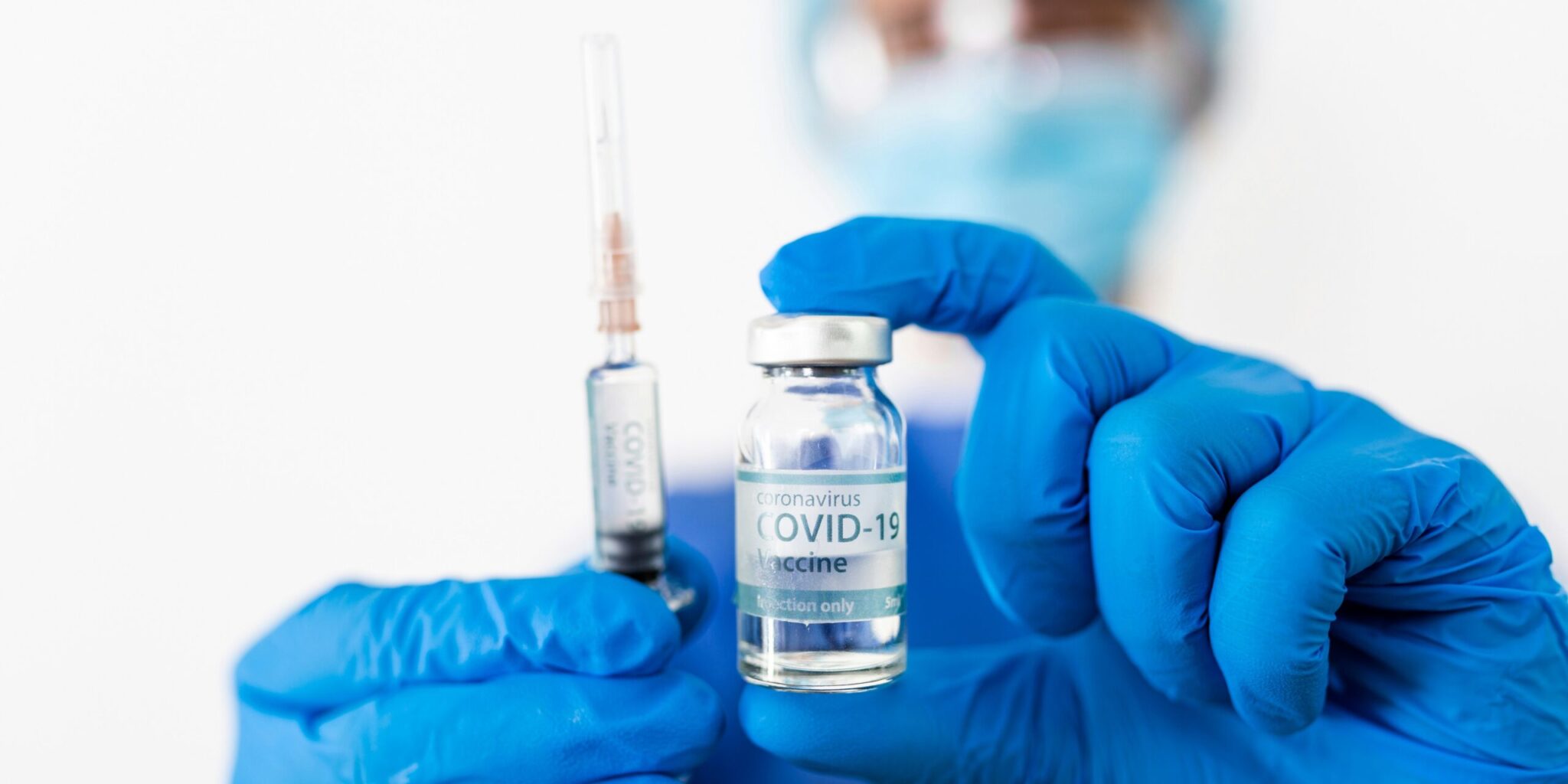
Since the first vaccines rolled out in 2020, scientists have had to keep adjusting as the virus evolved. New variants show up, immunity fades, and vaccine formulas get tweaked to keep pace. That’s why updated COVID-19 vaccines for the 2024–2025 season are now in use across the United States.
If you’re wondering whether another shot actually makes a difference, you’re not alone. Let’s break down what the updated vaccines do, how well they work, and what the evidence really says, without the hype or the panic.
How COVID-19 Vaccines Have Changed
The original vaccines were built to fight an earlier version of the virus. The problem is that SARS-CoV-2 doesn’t stay still. Over time, it has shifted into new variants that behave a little differently from the original strain.
The 2024–2025 vaccines were updated to better match KP.2 and JN.1-lineage variants (descendants of earlier XBB strains) that dominated circulation during late 2024. The idea is simple: show your immune system a version of the virus that looks more like what’s actually out there now.
If this sounds familiar, it should. Flu vaccines are updated every year for the same reason.
To move quickly, the Food and Drug Administration (FDA) evaluates these updates using immune-response data rather than running large trials from scratch each time. That allows vaccines to be refreshed faster while still meeting safety standards.
The goal isn’t perfection. It provides better protection against severe illness and hospitalization as the virus keeps changing.
What the Research Shows: Effectiveness Against Infection and Severe Outcomes
Instead of focusing on a single headline, it helps to look at what multiple data sources are saying together.
Real-World CDC Data
Observational data from the CDC show that people who received the updated vaccine had lower rates of symptomatic COVID-19 and fewer medical visits than those who didn’t.
Recent CDC real-world data estimates 33% protection against emergency/urgent care visits (a proxy for symptomatic infection), including against circulating KP.2, KP.3, and XEC subvariants. That doesn’t mean infections disappear. It means fewer people get sick enough to need care.
Protection Against Severe Illness
Where the updated vaccines really stand out is in preventing serious outcomes.
Recent CDC data estimates 45–46% effectiveness against hospitalization among older adults and 33–36% against emergency department/urgent care visits in the weeks following vaccination. That matters, especially during winter, when hospitals are already stretched by flu and other respiratory illnesses.
How They Compare to Older Boosters
Recent CDC data show that 2024–2025 updated vaccines provide additional protection against COVID-19–associated emergency visits, hospitalizations, and severe outcomes compared with no 2024–2025 vaccination.
For example, among adults ≥65 years, effectiveness against hospitalization was 45–46%, offering meaningful gains over prior immunity alone.
So even if you’ve had COVID vaccines before, an updated dose still adds meaningful protection.
The benefit isn’t the same for everyone. Older adults and people with underlying health conditions tend to gain the most. Younger, healthier adults see smaller but still real reductions in risk.
What the Data Doesn’t Say
Protection against infection and mild illness decreases over time. That’s normal and happens with many vaccines, including the flu shot. New variants also affect how well protection holds up.
Updated vaccines don’t block every infection, especially mild ones. Their most reliable benefit is reducing severe illness, urgent care visits, and hospital stays, particularly in the months right after vaccination.
That’s why public health guidance has shifted away from talking about being “fully vaccinated.”
As former CDC Director Dr. Rochelle Walensky explained in one briefing, “CDC will now use the phrase ‘up to date’ when talking about COVID-19 vaccination,” and the agency is “recommending that individuals stay up to date with additional doses that they are eligible for” to maintain the best possible level of protection.
What This Means for You
Getting an updated COVID-19 vaccine lowers your chances of getting sick and significantly reduces your risk of ending up in the hospital. Protection is strongest in the weeks after vaccination, which can matter if you expect higher exposure during the winter season.
For people in higher-risk groups, the benefit is clearer and more substantial. For others, it still adds a layer of protection.
Vaccination isn’t a standalone fix. Basic measures like hand hygiene, masking in crowded indoor spaces, and staying aware of new variants still play a role. Together, these steps reduce individual risk and help ease pressure on healthcare systems.
The takeaway is straightforward: updated vaccines remain one of the most effective tools we have for limiting severe COVID-19 outcomes.
Conclusion
Updated COVID-19 vaccines offer measurable protection against symptomatic illness and serious disease. Their impact is strongest shortly after vaccination and is especially important for those at higher risk.
No vaccine guarantees complete protection. But understanding what the data actually shows helps you make informed decisions. Timing, personal health, and everyday precautions all influence how much benefit you get.
Based on current CDC and NIH data, updated doses continue to play a meaningful role in staying protected during this season.
FAQs
Are updated COVID-19 vaccines safe?
Yes, they have undergone rigorous FDA safety reviews using immune-response data and real-world monitoring, maintaining the strong safety profile seen since 2020. Side effects are typically mild (e.g., sore arm, fatigue) and resolve quickly, similar to prior versions.
Do they prevent all COVID-19 infections?
No. Their strongest and most consistent benefit is reducing severe illness, not eliminating all infections.
How long does protection last?
Protection is highest in the first few months after vaccination and gradually decreases over time.
Who benefits the most?
Older adults and people with underlying health conditions see the greatest benefit, though healthy adults still gain more protection than relying on older vaccine doses alone.
