



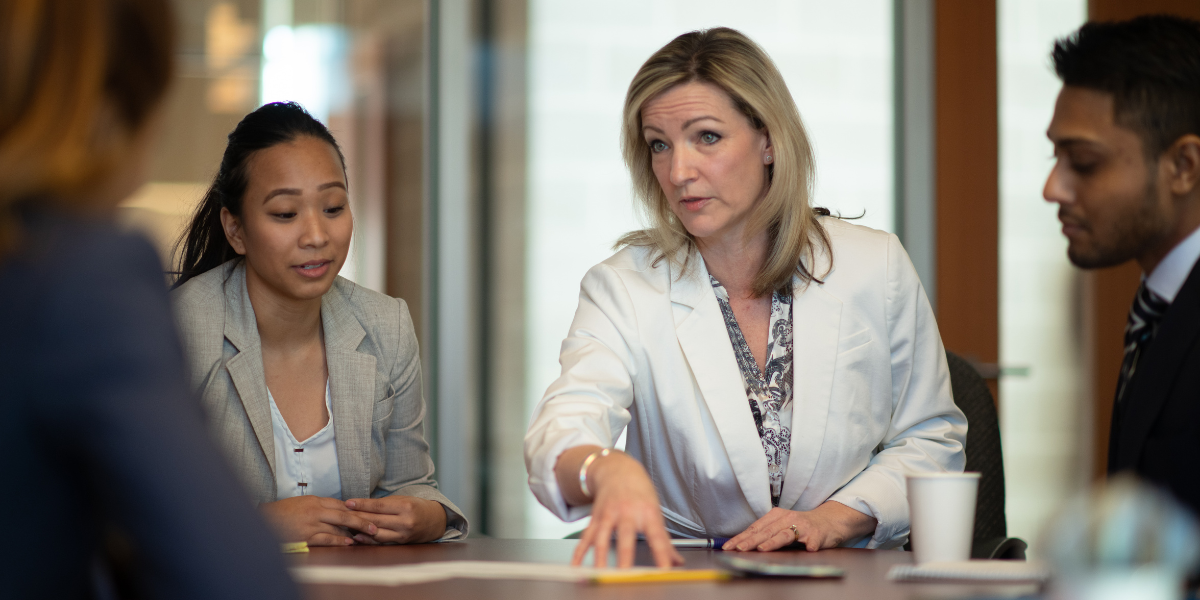
On March 31, 2026, new workforce insights and lifestyle trends across the United States are highlighting a significant shift in how women approach career growth, personal wellness, and everyday balance. From corporate boardrooms to entrepreneurial ventures, women are increasingly shaping conversations around sustainable success, mental health, and long-term professional fulfillment.
Recent workforce data shows that women’s participation remains strong, particularly in industries such as healthcare, education, and professional services. At the same time, there has been continued growth in women-led businesses, reflecting a broader movement toward independence, flexibility, and purpose-driven careers.
One of the most prominent developments in 2026 is the growing emphasis on workplace wellness. Employers across the country are expanding benefits that support mental health, flexible work schedules, and holistic well-being. Workplace stress remains a key concern, but organizations that invest in wellness initiatives are seeing improved employee satisfaction and productivity.
For many women, this shift represents more than just a trend. It reflects a redefinition of success that prioritizes both career advancement and personal well-being. Flexible work arrangements, including hybrid and remote models, have become a standard offering in many industries. These arrangements allow women to better manage responsibilities at home while continuing to pursue professional goals.
In the lifestyle space, wellness routines have evolved beyond traditional fitness and diet approaches. Practices such as mindfulness, journaling, and digital detoxing are becoming more widely adopted, especially among working professionals seeking balance in a fast-paced environment. Health experts emphasize that consistent, small habits often have a greater long-term impact than extreme or short-lived changes.
Beauty and self-care are also being reimagined through a lens of authenticity and sustainability. Major brands like Estée Lauder and L’Oréal continue to invest in inclusive product lines and environmentally conscious packaging. This reflects growing consumer demand for transparency and ethical practices within the beauty industry. Women are increasingly choosing products that align with their values, including clean ingredients and cruelty-free testing.
Fashion trends in 2026 are similarly influenced by practicality and personal expression. Industry leaders such as Nike and Zara are expanding collections that blend comfort with style, including versatile pieces designed for both work and casual settings. The rise of capsule wardrobes and sustainable fashion choices underscores a broader move toward mindful consumption.
Relationships and social connections are also evolving alongside these lifestyle changes. Experts note that communication, emotional intelligence, and shared values are increasingly prioritized in both personal and professional relationships. Women are taking a more intentional approach to building supportive networks, whether through mentorship programs, community groups, or digital platforms.
Career development remains a central focus, with more women pursuing leadership roles and specialized skills. Professional communities are reporting increased participation in training programs, workshops, and certification courses. This trend reflects a commitment to continuous learning and adaptability in a rapidly changing job market.
Notably, stories of female leadership and achievement continue to inspire broader audiences. Leaders across industries are advocating for inclusive workplaces and equitable opportunities, helping to shape policies and practices that benefit future generations. These efforts contribute to a more supportive environment where women can thrive both professionally and personally.
The intersection of career, wellness, and lifestyle is also influencing how success is measured. Rather than focusing solely on traditional metrics such as salary or job title, many women are prioritizing fulfillment, flexibility, and overall quality of life. This shift is encouraging organizations to rethink workplace culture and align more closely with employee needs.
As these trends continue to develop, experts emphasize the importance of access to resources and information. Educational content, wellness tools, and supportive communities play a critical role in empowering women to make informed decisions about their careers and personal lives.
The developments seen on March 31, 2026, reflect a broader transformation taking place across the United States. Women are not only adapting to changing environments but actively shaping them, driving progress in areas that impact both individual lives and society as a whole.
Key takeaways from today’s trends highlight the importance of balance, intentional choices, and ongoing growth. By embracing these principles, women across the country are building paths that are both sustainable and empowering, setting a strong foundation for the future.
