



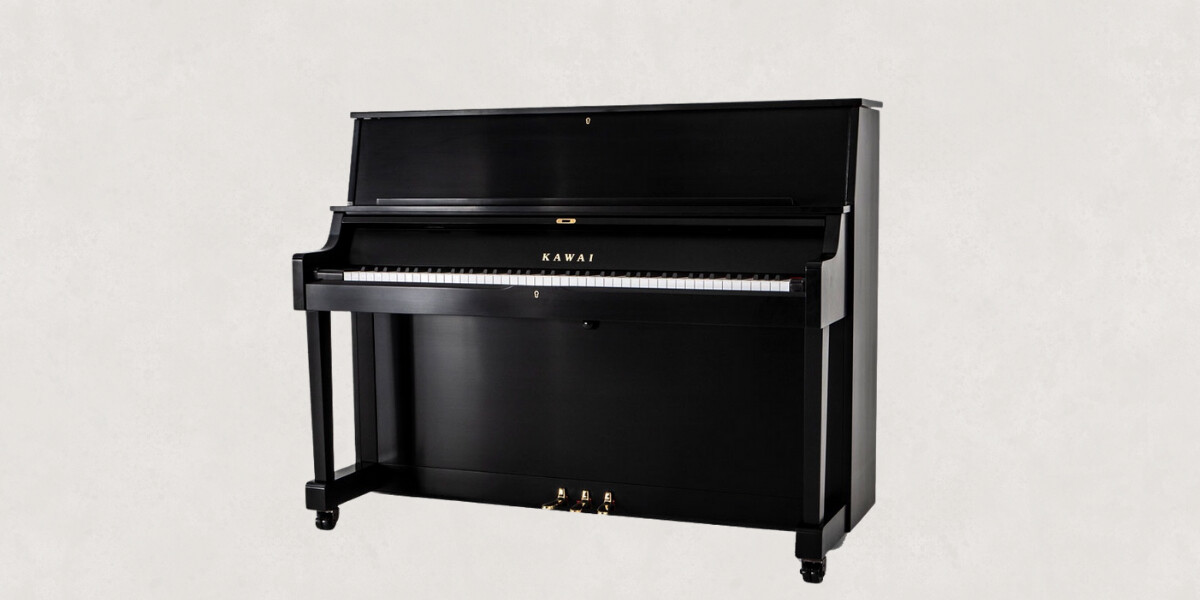
Discover how Worldwide Piano blends expert service and room acoustics to transform your musical journey. Explore more!
When shopping for an upright piano, particularly brands like Yamaha or Kawai, it’s common to hear, “Every piano is different.” While this is true, in a showroom context, the difference is often exaggerated. For mass-produced uprights from top Japanese manufacturers, the most significant change you’ll experience after delivery is not the variation between individual pianos, but how the acoustics of the showroom differ from those of your home.
Piano Buyer puts it simply: if your new piano doesn’t sound the same at home as it did in the store, it’s likely due to the room, not the instrument. Not every tonal issue should be solved by altering the piano itself.
Why Showrooms Sound So Different
A showroom provides a controlled listening environment, even if it doesn’t resemble a recording studio. The larger volume of air in a showroom results in a sound that feels open and less “in-your-face,” while the types of surfaces and materials in the room also influence the sound. Hard surfaces like glass, drywall, hardwood, and tile tend to make a piano sound brighter, while carpets, curtains, and heavy furniture can dampen the sound, making it feel softer or even duller. The patterns and timing of sound reflections also play a key role in shaping clarity, attack, and sustain.
Piano Buyer advises that many people make the mistake of over-deadening the room. Instead, it’s crucial to strike a balance between absorption and diffusion to avoid creating a space that’s either too boomy or too dull in certain frequency ranges.
How Yamaha and Kawai Minimize Piano-to-Piano Differences
With mass-produced uprights from Yamaha and Kawai, the difference from one piano to another is much smaller than it might seem. These manufacturers build their pianos to tight specifications, meaning that variability between individual instruments is reduced, especially within the same model family.
For example, Kawai’s Millennium III action uses ABS carbon composites, which are lighter and stronger than traditional materials, ensuring both consistency and long-term stability across production runs. Similarly, Yamaha’s vertical actions are engineered to provide consistent performance at scale. While technicians may debate specific materials, most customers find that a Yamaha upright feels predictably “Yamaha” within a model series. In reality, the variations you notice on a day-to-day basis are more likely due to room acoustics and humidity than differences in manufacturing.
The Practical Takeaway
If you’re comparing two pianos of the same model—such as a Yamaha U series to another Yamaha U series, or a Kawai K series to another Kawai K series piano —there will be some minor differences. However, if either piano is moved from a controlled showroom environment into a lively home with hardwood floors and large windows, it may sound completely different. The room plays a much larger role in shaping the piano’s sound than the piano itself.
Instead of fixating on tiny variations between two similar pianos, consider the following questions:
- Where will the piano be placed in your home?
- How reflective is that space?
- How stable is the humidity?
- What can you do to make sure the room enhances the sound you liked in the showroom?
Simple Ways to Improve Your Home’s Piano Sound
You don’t need an entire acoustic overhaul to improve your piano’s sound at home. Small adjustments can make a noticeable difference.
Placement: Don’t place the back of the upright piano too close to the wall. Allowing a bit of space can improve bass and projection.
Soft vs. Hard Surfaces: If your room sounds too bright and echoey, add a rug, fabric furniture, or other soft surfaces. Conversely, if your room sounds too dead, try reducing heavy absorption and incorporating diffusion, such as bookshelves.
Treat First Reflections: If the piano sits near a large flat wall, that surface can reflect harsh sounds back at you. Try to treat these first reflections to soften the impact.
Humidity Control: Stable humidity helps the piano maintain its integrity. A stable piano will sound more like itself, keeping its tone consistent over time.
Bottom Line
Yes, every piano has its own character. But with mass-produced uprights from Yamaha and Kawai, the “personality shift” that many buyers experience after purchasing their instrument is typically due to the room. To make your piano sound like it did in the showroom, consider treating your room as part of the instrument, because it is.
For more insights on how the room impacts your piano’s sound, check out this in-depth article.
Ready to begin? Visit Worldwide Piano and start your musical journey today. Your future in music begins with the perfect key.
