



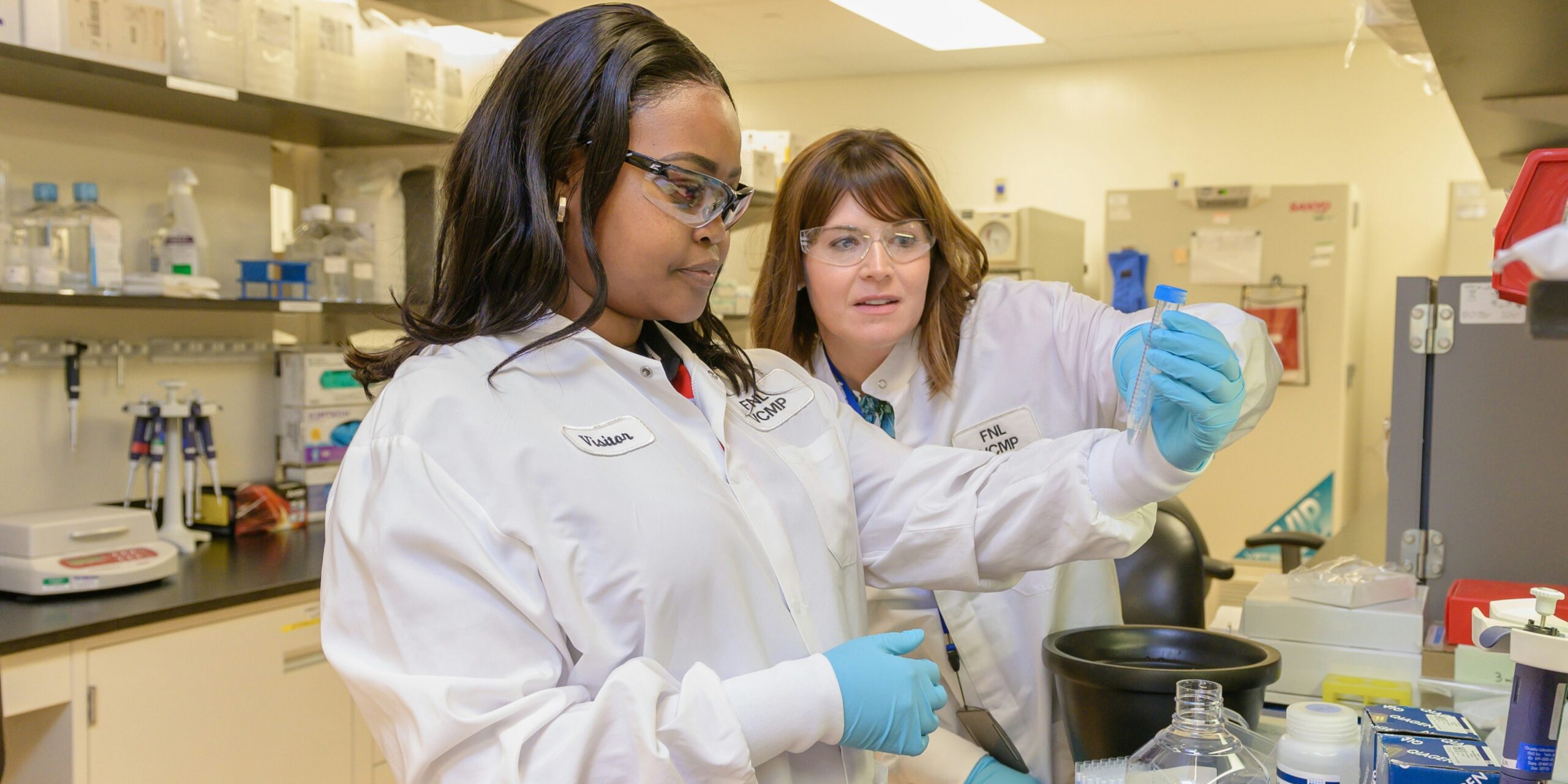
On December 5, 2025, Rush University System for Health announced plans to significantly expand its cancer clinical trial programs, fueled by a substantial philanthropic donation from the foundation of the late business leader Harold B. Smith. This donation is set to bolster the institution’s ability to offer innovative, cutting-edge cancer treatments, marking a major step forward in advancing both cancer care and research.
The expansion will allow for broader access to experimental treatments, aiming to improve patient outcomes and accelerate the development of emerging therapies. As demand for more personalized and advanced cancer care continues to grow across the United States, this move reflects an urgent need for institutions to evolve and offer patients the latest options for fighting cancer. By supporting clinical trials, Rush is positioning itself to play a more central role in this evolving landscape of cancer treatment, potentially setting new standards for healthcare delivery in this critical field.
Healthcare analysts point out that this expansion may solidify Rush University System for Health’s reputation as a leading research-driven institution. With its enhanced capacity to conduct clinical trials, the hospital system is likely to attract patients seeking access to the most advanced, experimental therapies. This could have significant long-term benefits, not just for patients, but also for the hospital’s status within the competitive healthcare sector.
Moreover, this development reflects a broader trend in the U.S. healthcare system where philanthropic investments are increasingly playing a key role in supplementing traditional funding streams. As hospitals across the nation continue to face rising demand for specialized treatments, such charitable contributions are becoming more crucial in driving both innovation and expanding healthcare capacity. In the case of cancer care, these investments are likely to fuel further breakthroughs in treatments, ultimately enhancing the nation’s ability to address the ongoing challenges posed by cancer.
